Start Here
Chickens vs quail
Quail win on space and on how fast they start. Chickens win on almost everything after that, including how easy it is to buy anything for them.
Chickens & Coops earns a commission when you buy through our links, at no extra cost to you. Prices come from Amazon and change; the date beside every price is when we last verified it. Full disclosure.
Top pick
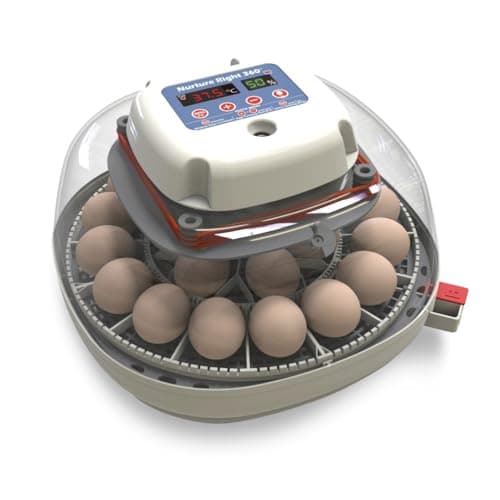
Harris Farms Nurture Right 360 Incubator, 22 Eggs
22 eggs, an automatic turner and a 360-degree view, from an established poultry-equipment brand.
#ad How we are funded · Price as of November 8, 2026
Quick picks
| # | Product | Capacity | Score | Price |
|---|---|---|---|---|
| Rank 1 | Harris Farms Nurture Right 360 Incubator, 22 Eggs The best first incubator for most people | 22 eggs | 9.4 | $100.59Harris, 22 Eggs |
| Rank 2 | 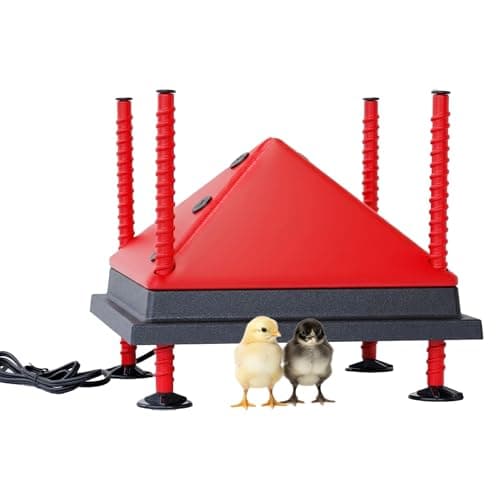 RentACoop 12x12in Adjustable Heating Plate with Anti-Roost Cone The safest brooder heat, with the roosting problem solved | Not published | 9.3 | $59.95RentACoop 12x12in |
| Rank 3 | 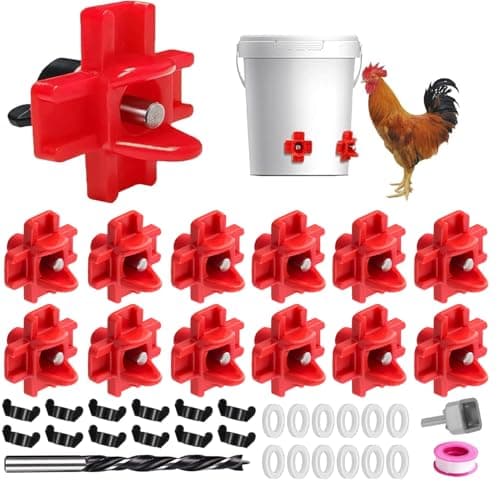 Horizontal Chicken Waterer Nipples, 12-Pack with Drill Bits The cheapest way to try a nipple waterer | Not published | 8.8 | $9.98Horizontal Chicken |
| Rank 4 | 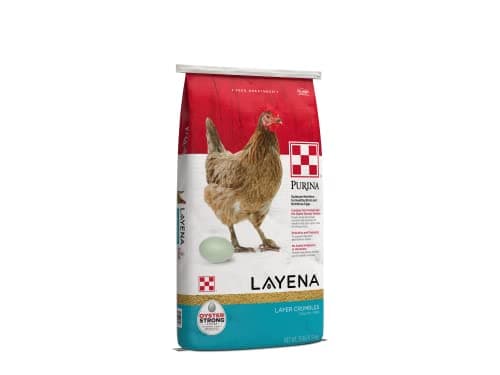 Purina Layena Layer Crumbles, 25 lb The standard bag for a six-hen flock | Not published | 9.5 | $34.89Purina Layena, 25 lb |
#ad Prices come from Amazon and change. How this site is funded. Scores are our own published rubric, not a lab test — see how we pick.
Keep quail if your constraint is space or local rules; keep chickens if your constraint is anything else. Coturnix quail need a small fraction of a chicken's floor area, start laying at around six to eight weeks rather than around eighteen, and are quiet enough that some ordinances that ban hens do not mention them. Everything after that favors chickens: bigger eggs, a longer productive life, birds that handle outdoor weather, and an equipment market that actually exists.
This comes up most from people in small suburban yards who have read that quail are the efficient choice. They are, on one axis. Here is the whole picture.
Head to head
| Chickens | Coturnix quail | |
|---|---|---|
| Space per bird | 2 sq ft coop floor + 10 sq ft run (large breeds) | A fraction of that — commonly kept in hutches and cages |
| Starts laying | Around 18 weeks | Around 6-8 weeks |
| Egg size | Standard; one egg is one egg | Tiny — several quail eggs to one hen's egg |
| Productive life | Years, declining after the second | Much shorter; commonly replaced annually |
| Housed outdoors year-round | Yes, with a dry ventilated coop | Possible but far more sheltered; they do not tolerate wet |
| Noise | Moderate; the egg song, and roosters if you keep one | Quieter, though males call persistently |
| Flight | Limited; a fence contains them | Strong and vertical — an open-topped pen is empty by morning |
| Broodiness and hatching | Hens will sit; chicks are robust | Rarely sit in captivity; incubation is the normal route |
| Equipment choice | Everything, at every price | Thin — most gear is chicken gear, scaled badly |
| Local rules | Often regulated by name | Often not mentioned at all, which cuts both ways |
| Good with children | Yes, handled young | Less so — they are flighty and fragile |
The case for quail, honestly
Three real advantages, and they are not small.
- Space. This is the whole argument. If you have a balcony, a tiny yard or a shed corner, quail fit where a chicken coop and the run it needs will not. And the run is the part people underestimate — the coop is not the enclosure, and six hens want roughly 60 sq ft of outdoor space.
- Speed. Laying at six to eight weeks instead of eighteen means eggs in under two months from hatch. For anyone who wants to see a result from a first attempt, that is a genuinely different experience.
- Rules and noise. Many municipalities regulate chickens explicitly and say nothing about quail. Combined with lower noise, that makes quail the pragmatic choice where hens are prohibited — though "not mentioned" is not the same as "permitted", so check rather than assume.
The case against quail
The eggs are tiny
A quail egg is a fraction of a hen's egg, so the comparison that matters is total volume rather than egg count. A quail laying most days produces a small amount of egg per day, and replacing a household's egg supply takes a lot of birds. People who keep quail for eggs generally keep more birds than they expected to.
They do not last
Chickens lay well for a couple of years and keep going, more slowly, for several more. Quail are commonly managed on an annual cycle, which means hatching replacements every year rather than keeping a flock. That turns an incubator from an optional purchase into a standing requirement — and quail rarely sit on their own eggs in captivity, so there is no low-tech alternative.
They fly, straight up
A startled quail launches vertically and hard. Pens need a top, and the top needs to be soft or low enough that the bird does not injure itself against it. A chicken run can be open-topped if hawks are not a concern; a quail pen cannot.
The equipment problem
This is the practical reason this site keeps chickens. Nearly everything sold for backyard poultry is sized for chickens: feeders, waterers, nest boxes, coops, heated drinkers. Quail keepers adapt chicken gear — smaller nipples, shallower drinkers, cage-mounted cups — and the choice at every price point is a fraction of what it is for hens. Our picks below reflect that honestly: the gear that genuinely carries across is the incubator, the brooder plate and the nipple waterer. Everything else on this site is chicken-sized.
What carries across either way
The four purchases that work whichever bird you choose — and the incubator moves from optional to essential if you go with quail.
#1 · The best first incubator for most people
$157.88 36% off
#ad How we are funded · Price as of November 8, 2026
Harris Farms Nurture Right 360 Incubator, 22 Eggs
Harris Farms22 eggs, an automatic turner and a 360-degree view, from an established poultry-equipment brand. It sits exactly where a first incubator should: enough capacity to be worth running, simple enough to get right.
| Capacity | 22 eggs |
|---|---|
| Turning | Automatic turner |
| Viewing | 360-degree window |
| Humidity control | Not published by manufacturer |
| Candler | Not published by manufacturer |
Specifications per Manufacturer figures as published on the Amazon product listing, as published at the date above.
Why we picked it
- 22 eggs is a realistic backyard hatch — enough that a 60% hatch rate still gives you a flock
- Automatic turning removes the three-times-a-day job that sinks most first hatches
- 360-degree viewing means you can watch without lifting the lid and dumping the humidity
- Made by a poultry brand with a long track record rather than a marketplace label
Good to know — Humidity control detail is not published; expect to top water channels manually
Our rubric
- Temperature stability
- 9.8
- Humidity control
- 8.9
- Capacity
- 9.3
- Beginner friendliness
- 10.0
- Value
- 8.9
#2 · The safest brooder heat, with the roosting problem solved
#ad How we are funded · Price as of November 8, 2026
RentACoop 12x12in Adjustable Heating Plate with Anti-Roost Cone
RentACoopA 12 x 12 inch adjustable-height heat plate with a foldable anti-roost cone. The cone is why this one is worth the premium: without it, chicks roost on top and foul the plate within days.
| Plate size | 12 x 12 in |
|---|---|
| Height | Adjustable |
| Anti-roost | Foldable cone included |
| Type | Radiant brooder heating plate |
| Wattage | Not published by manufacturer |
Specifications per RentACoop published specifications, as published at the date above.
Why we picked it
- Mimics a broody hen: chicks go under for warmth and come out to eat, which is how they self-regulate
- Anti-roost cone stops the plate becoming a perch and a toilet
- Height adjusts as the chicks grow, which they do fast
- No bulb, no light, so chicks sleep on a normal day-night cycle
Good to know — Wattage is not published
Our rubric
- Fire safety
- 10.0
- Temperature control
- 9.3
- Heat output
- 8.9
- Running cost
- 9.8
- Value
- 8.4
#3 · The cheapest way to try a nipple waterer
#ad How we are funded · Price as of November 8, 2026
Horizontal Chicken Waterer Nipples, 12-Pack with Drill Bits
GenericTwelve horizontal nipples with the matching drill bits. A dozen is more than a backyard bucket needs, which means spares — and the right bit included saves a trip.
| Pack | 12 nipples |
|---|---|
| Included | Drill bits |
| Type | Horizontal side-mount nipples |
| Material | Plastic |
Specifications per Manufacturer figures as published on the Amazon product listing, as published at the date above.
Why we picked it
- The correct drill bit is included, which is the part people get wrong
- Twelve nipples means you can fit four and keep eight spare
- Horizontal design, so no drips into the bedding
Good to know — No fittings, so this is for a bucket rather than a piped run
Our rubric
- Capacity
- 7.9
- Stays clean
- 10.0
- Freeze resistance
- 6.5
- Ease of refill
- 8.9
- Value
- 10.0
#4 · The standard bag for a six-hen flock
#ad How we are funded · Price as of November 8, 2026
Purina Layena Layer Crumbles, 25 lb
Purina25 lb of complete layer crumble — roughly a month for six hens. Crumble suits mixed-age flocks and bantams that find full pellets awkward.
| Type | Layer crumbles, nutritionally complete |
|---|---|
| Weight | 25 lb |
| For | Laying hens |
| Protein | Not published by manufacturer |
Specifications per Manufacturer figures as published on the Amazon product listing, as published at the date above.
Why we picked it
- Complete layer ration from the most widely stocked brand in the US
- Crumble is easier for bantams and smaller breeds to eat than pellets
- 25 lb is about a month for six hens — fresh all the way down the bag
Good to know — Crumble generates more dust and more billed-out waste than pellets
Our rubric
- Fit for purpose
- 9.8
- Mess and waste
- 8.9
- Quality
- 9.8
- Value
- 9.3
Where the gear does and does not transfer
| Equipment | Transfers to quail? | Note |
|---|---|---|
| Incubator | Yes | Quail eggs are smaller, so check the tray or use a universal insert |
| Brooder heat plate | Yes | Set it lower; quail chicks are much smaller at hatch |
| Nipple waterer | Yes | Mount it low. Open founts drown quail chicks |
| Complete layer feed | Partly | Quail want a higher-protein game-bird ration, not layer crumble |
| Coop, run, nest boxes | No | All chicken-sized; quail are kept in hutches and cages |
| Heated waterer, coop heater | No | Sized and sited for a coop |
| Roll-away nest box | No | Quail lay on the floor and do not use boxes |
What about keeping both?
It is done, and it needs separate housing. Mixing species increases the disease-transmission surface, and USDA's Defend the Flock biosecurity guidance treats contact between groups as a risk to manage rather than ignore. Quail are also small enough that a chicken will bully one, and the size difference is not a fair fight.
If you want a second species alongside hens, ducks are the more common pairing and have their own trade-offs — chickens vs ducks covers that one.
The hygiene rules are the same either way
Both are poultry, and both carry the same human-health considerations. CDC's backyard poultry guidance notes that healthy-looking birds can carry Salmonella: wash hands with soap and running water after handling birds, eggs or equipment, keep dedicated shoes outdoors, do not bring poultry into the house, and children under five should not handle them. The full page is short and worth reading before either bird arrives.
Our answer
For a first-time keeper with room for a coop and a run, chickens — comfortably. The eggs are usable without arithmetic, the birds live long enough to become a flock rather than a cycle, and every problem you hit has been solved by someone with equipment you can buy tomorrow. How many chickens should I get is the next question, and the starter checklist is the list.
For a keeper whose yard or ordinance genuinely rules out hens, quail are a real answer rather than a consolation. Go in knowing that you are committing to an incubator, a covered pen and a thinner equipment market, and that the eggs are a different proposition from a hen's.
Frequently asked questions
Are quail easier to keep than chickens?
How much space do quail need compared with chickens?
How many quail eggs equal one chicken egg?
Can quail and chickens live together?
Do quail need an incubator?
Are quail legal where chickens are not?
Can I feed quail chicken layer feed?
Our recommendation
If you buy one thing from this page, buy the first one. The second is here because it is the alternative worth weighing against it, not because a list needs two entries.
Top pick
Harris Farms Nurture Right 360 Incubator, 22 Eggs
The best first incubator for most people
#ad How we are funded · Price as of November 8, 2026
Runner-up
RentACoop 12x12in Adjustable Heating Plate with Anti-Roost Cone
The safest brooder heat, with the roosting problem solved
#ad How we are funded · Price as of November 8, 2026
Sources
- Penn State Extension — Small Scale Poultry Housing
- Extension Poultry — Feeding Chickens for Egg Production in Small and Backyard Flocks
- CDC — Backyard Poultry and Your Health (Salmonella guidance)
- USDA APHIS — Defend the Flock (avian influenza biosecurity)
- Extension Poultry — Brooding Poultry Hatchlings
Read next
Start Here
Chickens vs ducks
An honest comparison for a backyard, with the water and housing differences that decide it in practice.
Start Here
How many chickens should I get?
Flock sizing by household, yard and coop, with the space figures and the honest note about flocks growing.
Start Here
The best chicken keeping books
Six chicken books sorted by job rather than by rating: the one reference to own, the cheapest first read, the health handbook, the hatching specialist and the coop build manual.
Chicken Coops
Chicken coop vs chicken run
What a coop is for, what a run is for, and the five-to-one floor-area ratio between them — plus four runs sized by published square footage.
Hatching & Brooding
The best egg incubators for beginners
First-hatch incubators, chosen for the features that prevent beginner mistakes: auto-turning, humidity help, a candler.
Start Here
Chickens vs turkeys
Space, feed, timeline, disease risk and what you end up with — with the published extension figures for both birds, and the blackhead warning about keeping them together.
Start Here
Chickens vs rabbits
Space, feed, output, timeline and the part nobody enjoys — with Penn State Extension's published rabbit figures set against the chicken figures this site uses everywhere.