Winter Heat
Coop heater fire safety
A coop is a wooden box full of dry shavings with a mains appliance in it. Treat it accordingly.
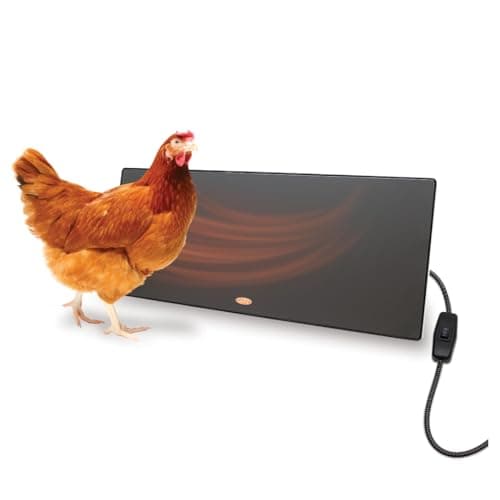
The reason extension services advise against supplemental coop heat is not that chickens are tougher than you think, although they are. It is that a coop is a wooden structure containing six to twelve inches of dry wood shavings, in a dusty environment, with rodents chewing things, and people put mains-powered heating appliances in it. MSU Extension says the risk of a heat source causing a fire is too high with combustible bedding present. That is the context for everything below.
The checklist
Choosing the appliance
- Prefer a sealed radiant panel over any bulb heater. No glass envelope, no filament, nothing to shatter into bedding.
- Look for a stated safety certification and verify the listing number if you can. On an unattended appliance this is the most valuable line on the listing.
- Check the published wattage. An unspecified heater is an uncalculable risk and an uncalculable bill.
- Prefer a thermostat, built in or external. A heater that cannot run in mild weather cannot overheat in mild weather.
Mounting it
- Fix it to structure — a stud or a joist — using the manufacturer's fixings. Never resting against a wall, never standing on bedding.
- Observe the stated clearance to combustibles, and treat deep litter as combustible, because it is.
- If it hangs, hang it twice. A chain or wire plus a second independent support. A spring clamp is not a fixing and the cord is never a support.
- Nothing combustible in the fall path. Assume it will fall eventually and ask what is underneath.
- Keep it out of reach of the birds where you can — they will perch on anything.
Wiring it
- Outdoor-rated cable. Not an indoor extension lead run through a gap in the door.
- A GFCI-protected outlet. Non-negotiable anywhere water and electricity coexist, which in a coop is everywhere.
- Connections off the ground and out of the litter, in a dry sheltered spot.
- No daisy-chained extension leads, and nothing coiled tightly while carrying load.
- Route cable where birds and rodents cannot reach it — inside conduit if you can.
Maintaining it
- Inspect the whole cable run every autumn for rodent damage before plugging anything in. This is a common failure and a dangerous one.
- Dust the appliance before the season. Coop dust on a heating element is a hazard.
- Check the mounting is still tight mid-winter. Temperature cycling loosens fixings.
- Unplug and store it in spring. An appliance left out through a wet summer is not the one you want to plug in next November.
The specific failures that cause fires
| Failure | What happens | Prevention |
|---|---|---|
| Clamp lamp slips | Hot bulb lands in dry bedding | Do not use clamp lamps; chain-hang with a second support |
| Bulb shatters | Hot glass and filament in litter | Use a sealed panel or ceramic element, and a guard |
| Rodent-chewed cable | Short circuit or arcing in bedding | Annual inspection; conduit; rodent control |
| Dust on element | Ignition on the element surface | Clean the appliance before each season |
| No GFCI | Water ingress goes undetected | GFCI outlet, always |
| Heater left on in mild weather | Unnecessary heat for weeks | Thermostat or thermostat outlet |
| Insufficient clearance | Slow heating of nearby timber | Observe the stated clearance; treat litter as combustible |
Heated waterers are appliances too
Everything above applies to a heated waterer or heated base. They are lower risk because they are water-filled and generally lower wattage, but they are a mains appliance in a wet, dusty, rodent-visited environment. GFCI, outdoor cable, connections off the ground, annual cord inspection.
The safest configuration
For most backyard flocks: no heater at all. Deep dry bedding, sealed drafts at bird level, open high vents, wooden roosts, and a thermostatted heated waterer on a GFCI outlet. That removes the fire risk entirely and, according to the extension guidance, serves the birds better. The full case.
Frequently asked questions
What causes chicken coop fires?
How should a coop heater be mounted?
Do I need a GFCI outlet for a coop?
Should I check the cables each year?
Is a heated waterer safer than a heater?
Sources
Read next
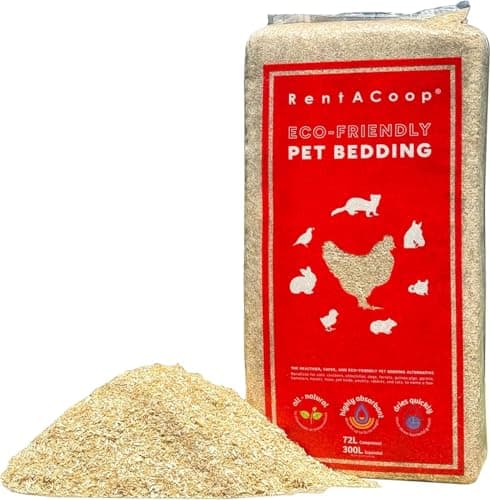
Winter Heat
Do chickens need heat in winter?
The short answer is no, for healthy adult hens — and the reasons are about fire risk and moisture, not toughness.
Winter Heat
The safest chicken coop heaters
Radiant panels ranked on fire safety, certification and thermostat control — after a clear statement that most flocks need none of this.
Winter Heat
Heat lamp vs radiant panel
The safety comparison that decides most coop heating decisions, with picks for both answers.
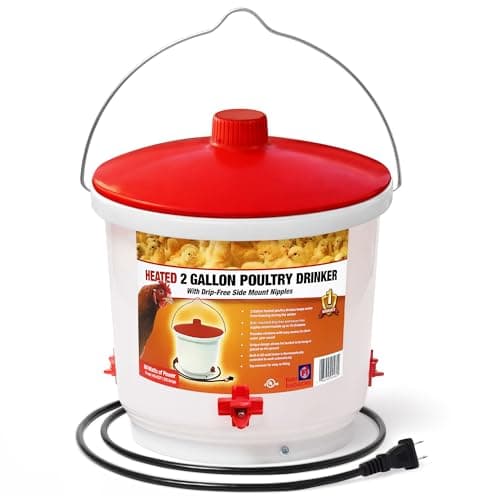
Waterers
The best heated chicken waterers
Heated drinkers and heated bases, ranked on published wattage and thermostat control — the two figures that matter.
Winter Heat
Winterizing a chicken coop
The full autumn checklist: coop, run, water, electrics and flock, in the order that makes the winter easy.