Start Here
Raising chickens for beginners
What you actually need, in the order you need it, with the published numbers rather than folklore.
Chickens & Coops earns a commission when you buy through our links, at no extra cost to you. Prices come from Amazon and change; the date beside every price is when we last verified it. Full disclosure.
Quick picks
| # | Product | Stated capacity | Score | Price |
|---|---|---|---|---|
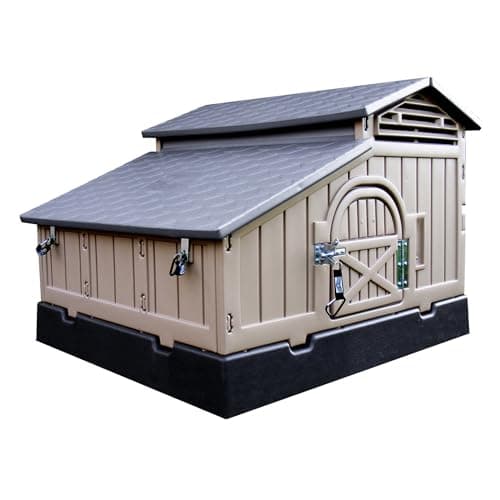
| Rank 1 | Hatching Time SnapLock Formex Standard Coop Four hens, and never scrubbing wood again | 4 chickens | 7.8 | $549.99on Amazon |
| Rank 2 | 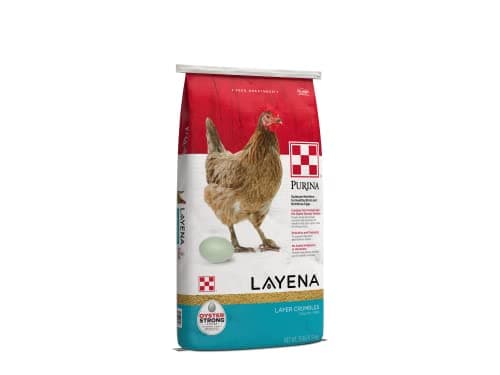 Purina Layena Layer Crumbles, 25 lb The standard bag for a six-hen flock | Not published | 8.3 | $35.98on Amazon |
| Rank 3 | 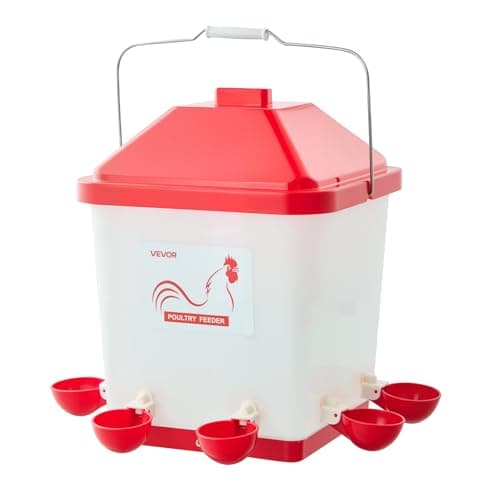 VEVOR 5 Gallon Automatic Waterer with 6 Cups Six automatic cups on one 5-gallon reservoir | Not published | 7.2 | $38.90on Amazon |
| Rank 4 | 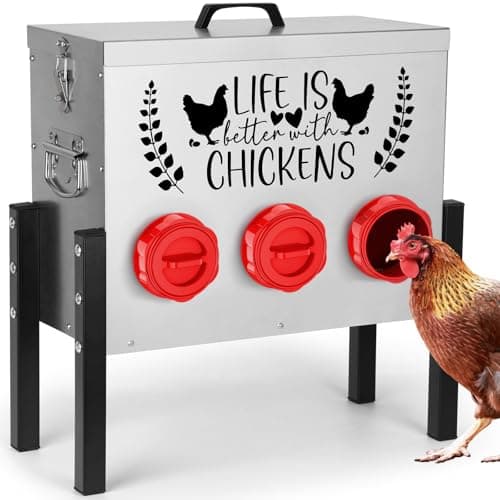 Tgeyd 30 lb Feeder with 6 No-Waste Ports Thirty pounds of feed in a lockable metal hopper | Not published | 8.2 | $29.98on Amazon |
#ad Prices come from Amazon and change. How this site is funded. Scores are our own published rubric, not a lab test — see how we pick.
Backyard chickens are genuinely easy to keep and genuinely easy to get wrong in a few specific ways. Almost every problem a first-time keeper runs into traces back to one of four things: a coop that is too small, water that ran out or froze, feed that was mostly treats, or a predator route nobody checked. Get those four right and the rest is a pleasant daily routine.
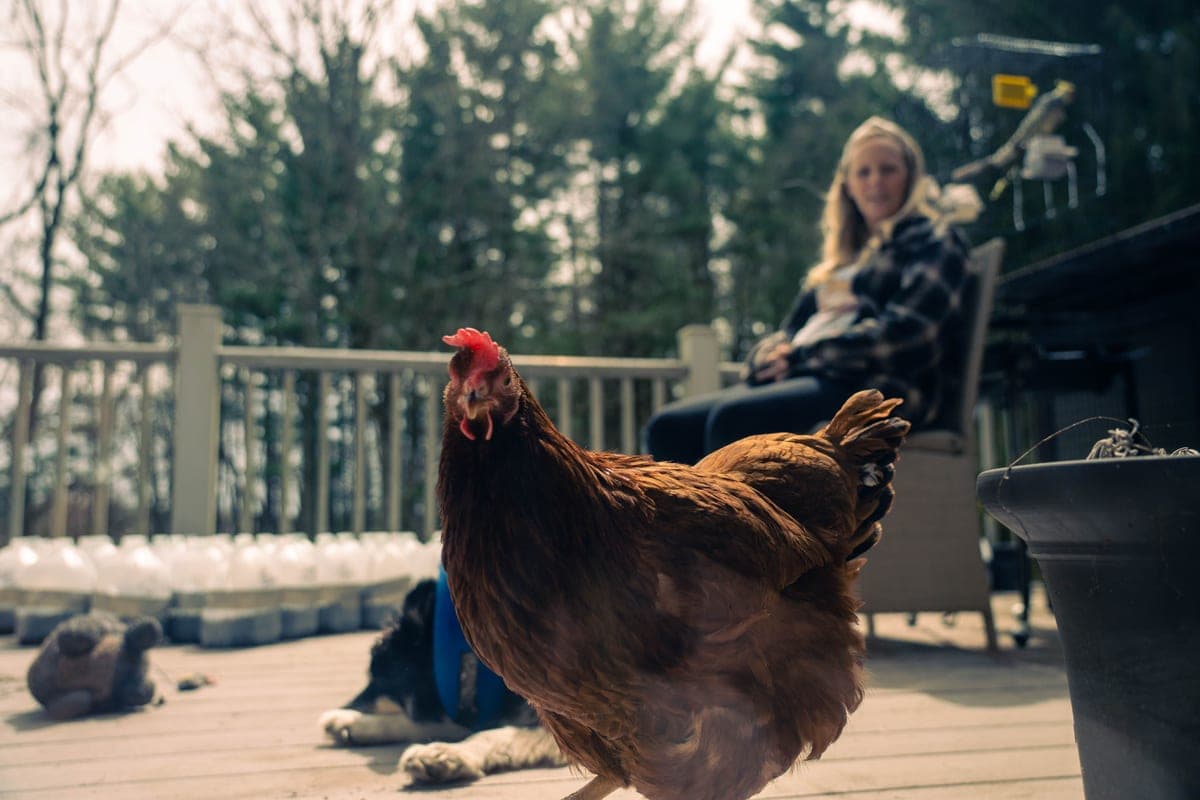
Before you buy anything: check the rules
Local ordinances and homeowners' association rules decide this before you do. Many allow hens and prohibit roosters; many cap flock size; some specify setbacks from property lines. Check your municipality's code and any HOA covenant before you buy a coop, not after. This is the step people skip and it is the one that can end the whole project.
How many hens
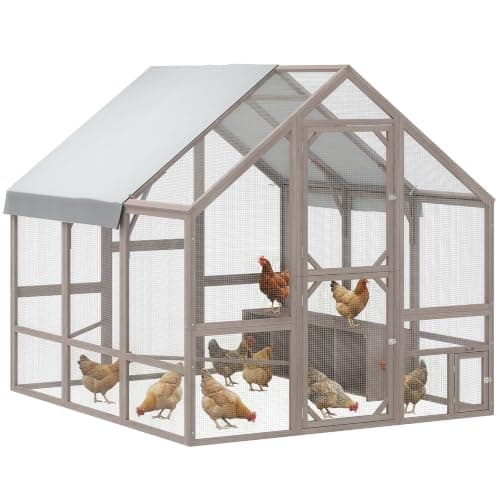
Three to six is the sweet spot for a first flock. Two is the minimum — chickens are flock animals and keeping one alone is poor welfare. Three gives you a buffer if you lose a bird. Six produces enough eggs for most households and still fits a suburban yard.
Almost everyone adds birds in year two. Plan the coop for more than you intend to start with. How many chickens should I get works through it properly.
What they need, with the published figures
| Per bird | Source | |
|---|---|---|
| Coop floor | 1.5-2 sq ft | Penn State Extension |
| Run space | 8-10 sq ft | Penn State Extension |
| Roost length | 6 in | Penn State Extension |
| Nest boxes | 2 for first 4 hens, +1 per 4 | Penn State Extension |
| Feed | About 0.25 lb/day | Extension Poultry |
| Water | About 6.4 fl oz/day, double in heat | University of Minnesota Extension |
The five-item shopping list
- A coop sized properly, with hardware cloth rather than hexagonal chicken wire, a two-step latch, vents above head height, and a droppings board.
- A run, at 8-10 sq ft per bird, covered if you have hawks.
- A feeder that controls waste — a port feeder, or a treadle feeder if you have rodents.
- A waterer sized for hot-weather consumption, plus a heated one if your winters freeze.
- Complete layer feed, with insoluble grit and oyster shell in separate dishes.
That is the whole list. The detailed checklist adds the small things.
A sensible starting kit
A plastic coop for easy cleaning, complete layer feed, a cup-fed waterer and a no-waste feeder.
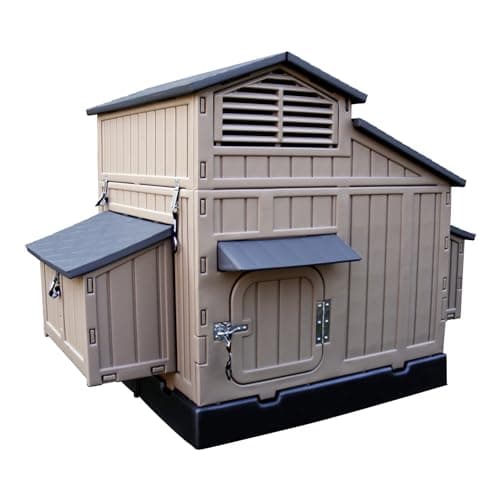
#1 · Four hens, and never scrubbing wood again
#ad How we are funded · Price as of October 5, 2026
Hatching Time SnapLock Formex Standard Coop
Hatching TimeA double-wall structural-foam coop that assembles without tools and hoses out completely. The reason to pay plastic-coop money is mites: there is nowhere in the wall for them to hide.
| Stated capacity | 4 chickens |
|---|---|
| Material | Formex structural foam (double wall) |
| Assembly | Snap-together, no tools published |
| Ventilation | Built-in vents |
| Floor area | Not published by manufacturer |
Specifications per Manufacturer figures as published on the Amazon product listing, as published at the date above.
What it does well
- Non-porous double-wall plastic gives red mite nowhere to breed — the single biggest argument against wooden coops
- Hoses out and dries in minutes instead of soaking into timber
- Insulating foam wall is genuinely warmer in winter and cooler in summer than thin ply
- Snap assembly means no half-day with a drill and a missing screw pack
Where it falls short
- Several times the price of a wooden coop of the same stated capacity
- Light enough that it must be anchored or weighted in wind
- Four birds really is the limit — there is no expansion path
Our rubric
- Space per bird
- 7.0
- Predator resistance
- 7.0
- Ventilation
- 8.0
- Cleaning access
- 10.0
- Build
- 9.0
- Value
- 6.0
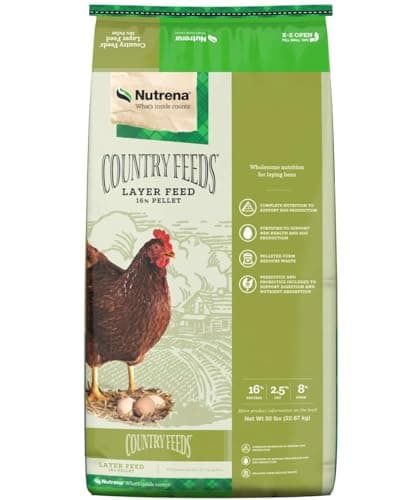
#2 · The standard bag for a six-hen flock
#ad How we are funded · Price as of October 5, 2026
Purina Layena Layer Crumbles, 25 lb
Purina25 lb of complete layer crumble — roughly a month for six hens. Crumble suits mixed-age flocks and bantams that find full pellets awkward.
| Type | Layer crumbles, nutritionally complete |
|---|---|
| Weight | 25 lb |
| For | Laying hens |
| Protein | Not published by manufacturer |
Specifications per Manufacturer figures as published on the Amazon product listing, as published at the date above.
What it does well
- Complete layer ration from the most widely stocked brand in the US
- Crumble is easier for bantams and smaller breeds to eat than pellets
- 25 lb is about a month for six hens — fresh all the way down the bag
Where it falls short
- Crumble generates more dust and more billed-out waste than pellets
- Protein percentage is not stated on this listing
- Needs an airtight bin once opened or it absorbs moisture
Our rubric
- Fit for purpose
- 9.0
- Mess and waste
- 7.0
- Quality
- 9.0
- Value
- 8.0
#3 · Six automatic cups on one 5-gallon reservoir
VEVOR 5 Gallon Automatic Waterer with 6 Cups
VEVORFive gallons feeding six auto-fill cups. Cups keep the bulk of the water sealed inside the drum, which is the main reason cup systems stay cleaner than open founts.
| Capacity | 5 gallon |
|---|---|
| Water ports | 6 automatic-fill cups |
| Operation | Automatic gravity, cup-fed |
| Handle | Carry handle fitted |
Specifications per Manufacturer figures as published on the Amazon product listing, as published at the date above.
What it does well
- Six cups means six hens drink at once without a queue
- The reservoir is sealed, so bedding and droppings cannot get into the bulk water
- 5 gallons on a carry handle is a sensible format for a shed-to-run trip
Where it falls short
- Cups freeze solid before the reservoir does — this is a summer solution
- Cup valves stick if grit gets into them; they need a weekly flick
- Plastic body, so no heated base
Our rubric
- Capacity
- 8.0
- Stays clean
- 9.0
- Freeze resistance
- 2.0
- Ease of refill
- 8.0
- Value
- 9.0
#4 · Thirty pounds of feed in a lockable metal hopper
Tgeyd 30 lb Feeder with 6 No-Waste Ports
TgeydA heavy-duty 30 lb metal feeder with six no-waste ports, adjustable height and a locking lid. The locking lid is what lifts it above an ordinary port feeder — it keeps rain and raccoons out of the hopper.
| Capacity | 30 lb |
|---|---|
| Feeding ports | 6 |
| Lid | Locking |
| Height | Adjustable |
| Material | Heavy-duty metal |
Specifications per Manufacturer figures as published on the Amazon product listing, as published at the date above.
What it does well
- Locking lid keeps the hopper dry and stops raccoons helping themselves
- 30 lb capacity means fortnightly refills for a six-hen flock
- Adjustable height lets you set the ports correctly as pullets grow
Where it falls short
- The ports themselves are still open at hen level, so rodents can reach the feed in them
- 30 lb of feed plus a metal hopper is heavy to reposition
- Port diameter is not published
Our rubric
- Waste control
- 9.0
- Capacity
- 8.0
- Rodent resistance
- 6.0
- Weather resistance
- 9.0
- Value
- 9.0
The daily routine, honestly
- Morning (2 minutes): open up, check the water is liquid and clean, check the feeder.
- Any time (1 minute): collect eggs.
- Evening (2 minutes): scrape the droppings board, count the birds, shut the door.
- Weekly (10 minutes): scrub the waterer, top up bedding, change soiled nest material, look at each bird.
- Twice a year (a morning): full clear-out and scrub.
The five beginner mistakes
1. Believing the coop's bird count
A coop sold for six hens usually suits three or four. Check the interior floor area against 2 sq ft per bird. Sizing guide.
2. Trusting hexagonal chicken wire
It keeps chickens in and does not keep predators out — raccoons reach through it and weasels pass through it. Half-inch hardware cloth on everything within reach. The comparison.
3. Sealing the coop for winter
Moisture, not cold, causes frostbite. Block drafts at bird level; leave vents open above their heads. Ventilation.
4. Feeding too many treats
Scratch grain and kitchen scraps are treats. A complete layer feed only works if it is most of what they eat, and any bird eating anything else needs insoluble grit. Grit and oyster shell.
5. Forgetting the door at dusk
The single most effective predator measure there is. Most losses happen at night through an open pop-hole. Predators.
Hygiene, because it matters
CDC's backyard poultry guidance notes that Salmonella outbreaks linked to backyard poultry are common. The rules are short: wash hands with soap and running water after handling birds, eggs or equipment; keep dedicated shoes outdoors; do not bring poultry indoors, especially near food preparation; clean equipment outdoors only; clean and refrigerate eggs and discard cracked ones; and children under five should not handle poultry.
Frequently asked questions
How many chickens should a beginner start with?
Are chickens hard to look after?
Do I need a rooster to get eggs?
Do I need planning permission to keep chickens?
How much time do chickens take each day?
What is the biggest beginner mistake?
Sources
- Penn State Extension — Small Scale Poultry Housing
- Extension Poultry — Feeding Chickens for Egg Production in Small and Backyard Flocks
- University of Minnesota Extension — Raising Chickens for Eggs
- CDC — Backyard Poultry and Your Health (Salmonella guidance)
- Extension Poultry — Predator Management for Small and Backyard Poultry Flocks
Read next
Start Here
Chicken starter checklist
The full starter list, split into day-one essentials and things that can wait, with the sizing figures for each.
Start Here
How many chickens should I get?
Flock sizing by household, yard and coop, with the space figures and the honest note about flocks growing.
Start Here
The real cost of raising backyard chickens
A cost framework using live prices and published consumption figures, so the numbers are yours rather than ours.
Chicken Coops
The best chicken coops for beginners
Coops chosen for a first flock: honest capacity, assembly you can finish in an afternoon, cleaning you will keep up with.
Chicken Coops
Chicken coop size per chicken: the real numbers
The sizing table the rest of this site is built on, with the extension sources and a method for checking any listing.
About
How we pick
The published method behind every score here, and a plain statement of what we have not tested.