Start Here
The best chicken breeds for beginners
Pick on temperament and hardiness, not on egg color. And buy from somewhere that will answer the phone afterwards.
Chickens & Coops earns a commission when you buy through our links, at no extra cost to you. Prices come from Amazon and change; the date beside every price is when we last verified it. Full disclosure.
Quick picks
| # | Product | Type | Score | Price |
|---|---|---|---|---|
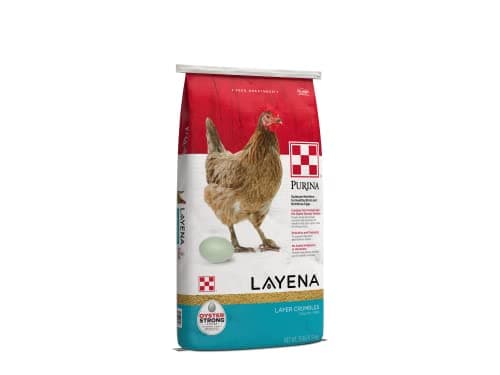
| Rank 1 | Purina Layena Layer Crumbles, 25 lb The standard bag for a six-hen flock | Layer crumbles, nutritionally complete | 8.3 | $35.98on Amazon |
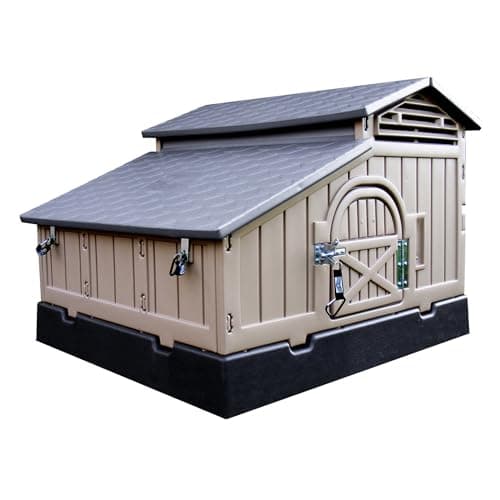
| Rank 2 | 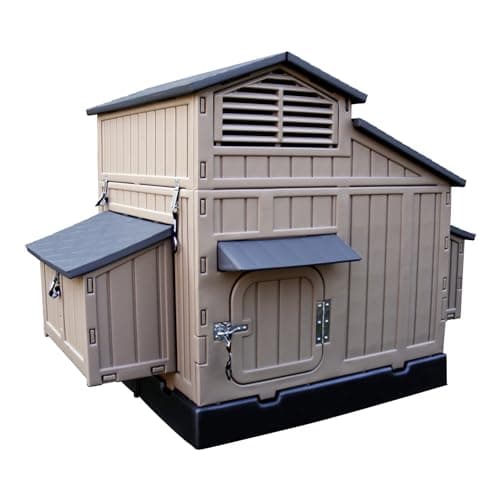 Hatching Time Formex Snap Lock Large Coop (4-6 hens) Six hens in a coop you can pressure-wash | Not published | 7.7 | $824.99on Amazon |
| Rank 3 | 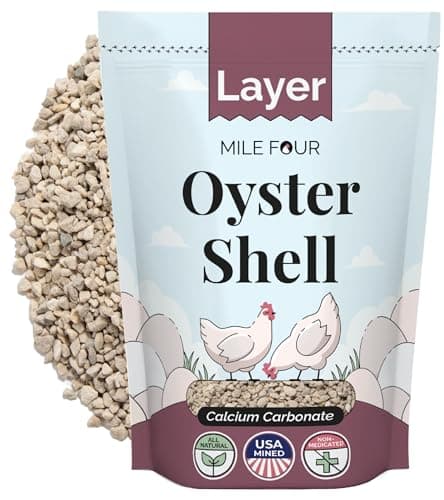 Mile Four Oyster Shell for Laying Hens, 4 lb Eggshell strength, offered free-choice | Crushed oyster shell | 8.8 | $19.99on Amazon |
| Rank 4 | 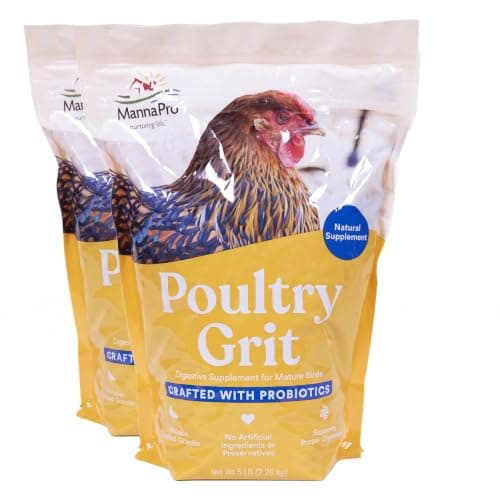 Manna Pro Poultry Grit with Probiotics, 5 lb Insoluble grit for hens eating anything but pellets | Insoluble crushed granite grit | 9.0 | $19.02on Amazon |
#ad Prices come from Amazon and change. How this site is funded. Scores are our own published rubric, not a lab test — see how we pick.
A note on what this page does and does not do. Breed descriptions circulating online are largely reproduced from hatchery marketing copy, including the egg-per-year figures, and we have not verified those claims against any independent source. So rather than repeat them, this page gives you the traits that actually matter for a first flock and how to assess them — which is more useful, and honest about what we know.
The four traits that matter for a first flock
1. Temperament
The most important trait and the least discussed. A calm, handleable hen is easier to inspect, easier to treat, easier to move, and far more pleasant if there are children around. Flighty, nervous breeds are harder work in every interaction. When you buy, ask the breeder or store directly: are these birds calm to handle?
2. Comb type, if your winters are cold
Large single combs are the most frostbite-prone feature on a chicken, and Extension's frostbite guidance covers why. Breeds with small, cushion or pea combs cope noticeably better in severe winters. In a mild climate it does not matter much; in a continental one it is worth weighting.
3. Size and body type
Standard large breeds are the default: hardy, substantial, and the extension space figures (2 sq ft coop, 10 sq ft run) are written for them. Bantams need about half the space and eat less, which suits a small yard, and lay smaller eggs. Very heavy breeds need more space than the standard figures and are more prone to foot problems on hard surfaces.
4. Broodiness
Some breeds go broody readily — a hen stops laying and sits on a nest for weeks, blocking a box and resisting removal. Charming if you want chicks, tiresome if you do not. Worth asking about before you buy.
What matters less than people think
- Egg color. Blue, green, chocolate and white eggs all taste identical. It is a genuinely fun reason to pick a breed and it is not a practical consideration.
- Published egg-per-year figures. Largely hatchery marketing, and heavily dependent on feed, daylight, age and management. Your actual results will vary widely from any published number.
- Rare or heritage status. Interesting, often a harder bird to source and replace, and not a beginner advantage.
- Dual-purpose labeling. Relevant only if you intend to raise birds for meat, which most backyard keepers do not.
Where to buy, which matters more than breed
- A local breeder or small-scale producer. You can see the parent stock, see the conditions, and ask questions. The best option by a distance.
- A feed store with spring chicks. Convenient, usually unsexed, and the staff can rarely answer detailed questions.
- A hatchery shipping day-old chicks. Wide breed choice; the birds have had a hard start, and you need a brooder ready.
- Rehoming an existing flock. Often free or cheap, and you inherit the birds' health and laying history, which may not be good.
Whatever the source: look at the birds. Clear eyes, clean vents, no labored breathing, good feather condition, active behavior. And quarantine any new birds for two to four weeks before introducing them to an existing flock — USDA's Defend the Flock guidance explains why that matters.
Pullets or chicks?
| Point-of-lay pullets | Day-old chicks | |
|---|---|---|
| Cost per bird | Higher | Lower |
| Equipment needed | The normal coop setup | Plus a brooder, for six weeks |
| Time to eggs | Weeks | About five months |
| Sexed? | Yes — they are laying or close to it | Often not; expect about half cockerels |
| Difficulty | Straightforward | A genuine project |
| Best for a first flock | Yes | Only if you want the experience |
The cockerel question is the one to settle before buying unsexed chicks. Half of them will be male, many municipalities prohibit roosters, and rehoming surplus cockerels is genuinely difficult. Decide what happens to them before they hatch, not at week twelve.
What a beginner flock needs, whatever the breed
Complete layer feed, a coop sized properly, and the two free-choice minerals.
#1 · The standard bag for a six-hen flock
#ad How we are funded · Price as of October 5, 2026
Purina Layena Layer Crumbles, 25 lb
Purina25 lb of complete layer crumble — roughly a month for six hens. Crumble suits mixed-age flocks and bantams that find full pellets awkward.
| Type | Layer crumbles, nutritionally complete |
|---|---|
| Weight | 25 lb |
| For | Laying hens |
| Protein | Not published by manufacturer |
Specifications per Manufacturer figures as published on the Amazon product listing, as published at the date above.
What it does well
- Complete layer ration from the most widely stocked brand in the US
- Crumble is easier for bantams and smaller breeds to eat than pellets
- 25 lb is about a month for six hens — fresh all the way down the bag
Where it falls short
- Crumble generates more dust and more billed-out waste than pellets
- Protein percentage is not stated on this listing
- Needs an airtight bin once opened or it absorbs moisture
Our rubric
- Fit for purpose
- 9.0
- Mess and waste
- 7.0
- Quality
- 9.0
- Value
- 8.0
#2 · Six hens in a coop you can pressure-wash
#ad How we are funded · Price as of October 5, 2026
Hatching Time Formex Snap Lock Large Coop (4-6 hens)
Hatching TimeThe larger Formex coop, stated for 4-6 birds. Same argument as the standard model — a non-porous double wall, no mite harborage, hose-out cleaning — with room for a realistic six-hen flock.
| Stated capacity | 4-6 chickens |
|---|---|
| Material | Formex structural foam (double wall) |
| Assembly | Snap-together |
| Ventilation | Built-in vents |
| Floor area | Not published by manufacturer |
Specifications per Manufacturer figures as published on the Amazon product listing, as published at the date above.
What it does well
- Nothing for red mite to hide in, which is the problem wooden coops never fully solve
- Washes down to clean in minutes — the difference between cleaning weekly and meaning to
- Insulated wall moderates both winter cold and summer heat
- No rot, no repainting, no re-sealing, ever
Where it falls short
- Expensive next to a wooden coop of the same stated capacity
- Must be anchored — light enough to shift in strong wind
- No published floor area, so the 4-6 claim cannot be checked on paper
Our rubric
- Space per bird
- 7.0
- Predator resistance
- 7.0
- Ventilation
- 8.0
- Cleaning access
- 10.0
- Build
- 9.0
- Value
- 5.0
#3 · Eggshell strength, offered free-choice
#ad How we are funded · Price as of October 5, 2026
Mile Four Oyster Shell for Laying Hens, 4 lb
Mile FourCrushed oyster shell as a free-choice calcium source. Layer feed already contains calcium; a separate dish of oyster shell lets the individual hens that need more take more.
| Type | Crushed oyster shell |
|---|---|
| Weight | 4 lb |
| Function | Calcium for egg-laying hens |
| Feeding | Free-choice |
Specifications per Manufacturer figures as published on the Amazon product listing, as published at the date above.
What it does well
- Free-choice calcium is self-regulating: hens laying hardest take the most
- Directly addresses thin and soft shells
- 4 lb lasts a small flock months
Where it falls short
- Not a substitute for grit — oyster shell dissolves, so it cannot grind
- Should never be fed to chicks or non-laying pullets
- Must go in its own dish, not mixed into the feed
Our rubric
- Fit for purpose
- 10.0
- Mess and waste
- 9.0
- Quality
- 9.0
- Value
- 7.0
#4 · Insoluble grit for hens eating anything but pellets
#ad How we are funded · Price as of October 5, 2026
Manna Pro Poultry Grit with Probiotics, 5 lb
Manna ProInsoluble crushed granite — the grinding stone a hen's gizzard needs to process grass, scratch and kitchen scraps. It is not a calcium supplement and does not replace oyster shell.
| Type | Insoluble crushed granite grit |
|---|---|
| Weight | 5 lb |
| Added | Probiotics |
| Function | Gizzard grinding material |
Specifications per Manufacturer figures as published on the Amazon product listing, as published at the date above.
What it does well
- States 'insoluble crushed granite', which is exactly what grit should be
- 5 lb lasts a small flock a very long time — it is offered free-choice, not mixed in
- Essential the moment hens eat anything other than a complete pellet
Where it falls short
- Routinely confused with oyster shell; they do different jobs and you need both
- Not needed at all for birds fed only complete crumble indoors
- Offer it in a separate small dish, not mixed into feed
Our rubric
- Fit for purpose
- 10.0
- Mess and waste
- 9.0
- Quality
- 9.0
- Value
- 8.0
Frequently asked questions
What should I look for in a beginner chicken breed?
Does egg color matter?
Should I believe published eggs-per-year figures?
Should I buy chicks or point-of-lay pullets?
Where is the best place to buy chickens?
Sources
Read next
Start Here
Choosing chickens for eggs
The five factors that actually drive laying, ranked, and the feed and nest gear that support them.
Start Here
Raising chickens for beginners
The pillar guide for a first flock: how many birds, what they need, what it costs, and what to get right first.
Start Here
How many chickens should I get?
Flock sizing by household, yard and coop, with the space figures and the honest note about flocks growing.
Chicken Coops
The best chicken coops for beginners
Coops chosen for a first flock: honest capacity, assembly you can finish in an afternoon, cleaning you will keep up with.
Start Here
Chickens vs ducks
An honest comparison for a backyard, with the water and housing differences that decide it in practice.