Start Here
Chicken starter checklist
Everything you need before the birds arrive, and a clear line between that and what can wait.
Chickens & Coops earns a commission when you buy through our links, at no extra cost to you. Prices come from Amazon and change; the date beside every price is when we last verified it. Full disclosure.
Quick picks
| # | Product | Capacity | Score | Price |
|---|---|---|---|---|
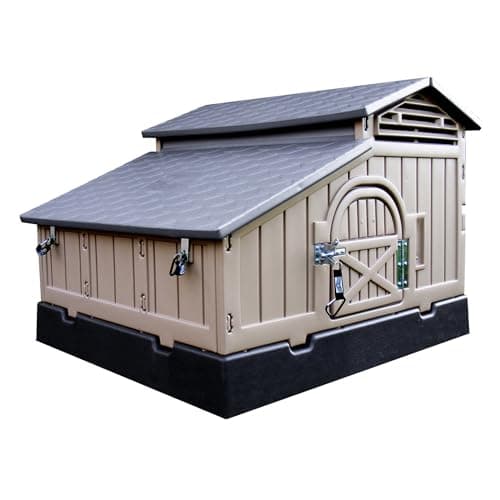
| Rank 1 | Hatching Time SnapLock Formex Standard Coop Four hens, and never scrubbing wood again | Not published | 7.8 | $549.99on Amazon |
| Rank 2 | 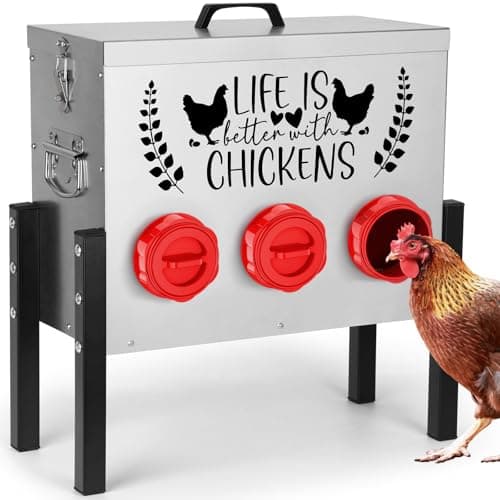 Tgeyd 30 lb Feeder with 6 No-Waste Ports Thirty pounds of feed in a lockable metal hopper | 30 lb | 8.2 | $29.98on Amazon |
| Rank 3 | 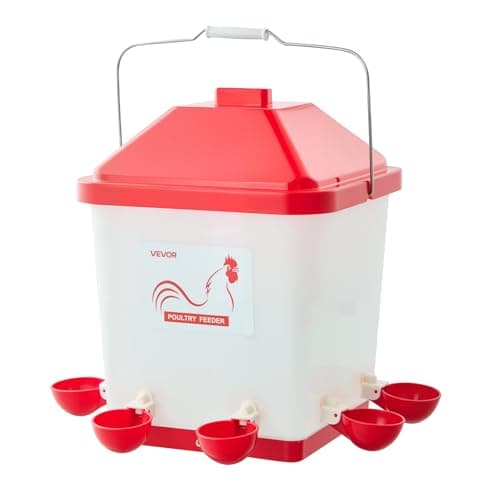 VEVOR 5 Gallon Automatic Waterer with 6 Cups Six automatic cups on one 5-gallon reservoir | 5 gallon | 7.2 | $38.90on Amazon |
| Rank 4 | 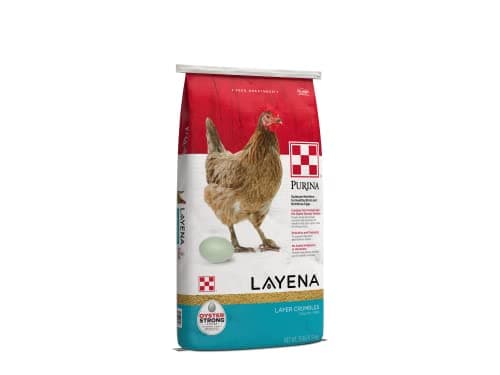 Purina Layena Layer Crumbles, 25 lb The standard bag for a six-hen flock | Not published | 8.3 | $35.98on Amazon |
| Rank 5 | 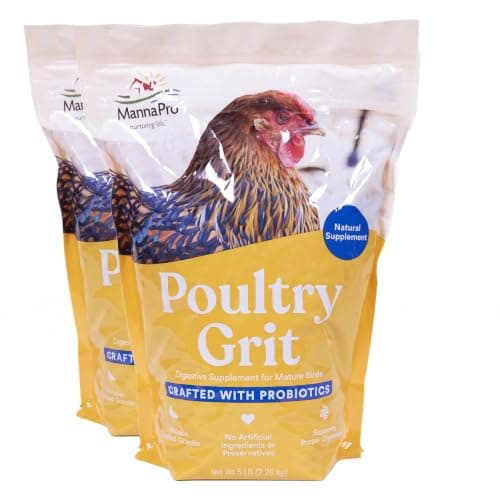 Manna Pro Poultry Grit with Probiotics, 5 lb Insoluble grit for hens eating anything but pellets | Not published | 9.0 | $19.02on Amazon |
| Rank 6 | 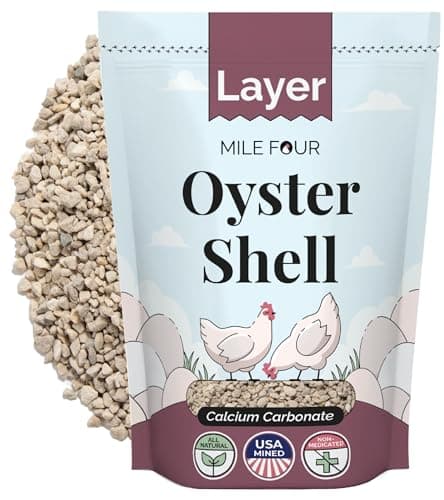 Mile Four Oyster Shell for Laying Hens, 4 lb Eggshell strength, offered free-choice | Not published | 8.8 | $19.99on Amazon |
#ad Prices come from Amazon and change. How this site is funded. Scores are our own published rubric, not a lab test — see how we pick.
This is the list. It is shorter than most starter lists because a lot of what gets sold as essential is not, and longer in one place than you might expect — the predator hardware, which most first-time keepers buy only after losing a bird.
Before the birds arrive — the essentials
1. The coop
- Sized at 2 sq ft of interior floor per large hen (Penn State Extension). Check the actual dimensions, not the advertised bird count.
- Half-inch hardware cloth on every opening and the lower run, not hexagonal chicken wire.
- A two-step latch — a gravity latch or spring bolt, not a hook-and-eye.
- Vents above head height, which stay open all winter.
- Roosts at 6 in per bird, wooden, flat side up, 18-24 in above the floor.
- Nest boxes: two for the first four hens, then one per four more, mounted below the roost.
- A droppings board under the roosts. The single highest-value feature for cleaning.
2. The run
- 8-10 sq ft per bird (Penn State Extension).
- Covered if you have hawks, which you probably do.
- A hardware cloth apron laid flat round the perimeter against digging.
3. Feeder and feed
- A no-waste feeder — port type, or treadle if you have rodents. Sized for one to three weeks.
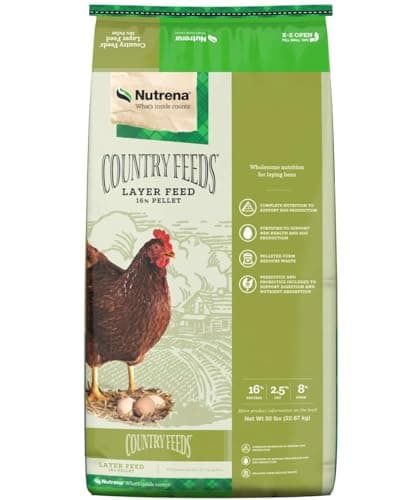
- Complete layer feed, 16% protein, in a bag your flock finishes in about a month.
- Insoluble grit in its own small dish, free-choice.
- Oyster shell in its own small dish, free-choice. Not the same thing as grit.
- A metal feed bin with a tight lid. A plastic tub is a rodent feeder.
4. Waterer
- Sized for hot-weather consumption, about 13 fl oz per bird per day.
- A heated waterer or heated base if your winters freeze. Not optional in that case.
- A dedicated brush for scrubbing it weekly, kept outdoors.
5. Bedding
- Pine shavings or hemp hurd. Not straw as floor litter, never cedar.
- Four to six inches deep, and 6-12 inches in winter (University of Minnesota Extension).
- Nest pads for the boxes, 13 x 13 in is the standard size.
The starter kit
A coop, a no-waste feeder, a waterer, layer feed, and the two minerals that go in separate dishes.
#1 · Four hens, and never scrubbing wood again
#ad How we are funded · Price as of October 5, 2026
Hatching Time SnapLock Formex Standard Coop
Hatching TimeA double-wall structural-foam coop that assembles without tools and hoses out completely. The reason to pay plastic-coop money is mites: there is nowhere in the wall for them to hide.
| Stated capacity | 4 chickens |
|---|---|
| Material | Formex structural foam (double wall) |
| Assembly | Snap-together, no tools published |
| Ventilation | Built-in vents |
| Floor area | Not published by manufacturer |
Specifications per Manufacturer figures as published on the Amazon product listing, as published at the date above.
What it does well
- Non-porous double-wall plastic gives red mite nowhere to breed — the single biggest argument against wooden coops
- Hoses out and dries in minutes instead of soaking into timber
- Insulating foam wall is genuinely warmer in winter and cooler in summer than thin ply
- Snap assembly means no half-day with a drill and a missing screw pack
Where it falls short
- Several times the price of a wooden coop of the same stated capacity
- Light enough that it must be anchored or weighted in wind
- Four birds really is the limit — there is no expansion path
Our rubric
- Space per bird
- 7.0
- Predator resistance
- 7.0
- Ventilation
- 8.0
- Cleaning access
- 10.0
- Build
- 9.0
- Value
- 6.0
#2 · Thirty pounds of feed in a lockable metal hopper
Tgeyd 30 lb Feeder with 6 No-Waste Ports
TgeydA heavy-duty 30 lb metal feeder with six no-waste ports, adjustable height and a locking lid. The locking lid is what lifts it above an ordinary port feeder — it keeps rain and raccoons out of the hopper.
| Capacity | 30 lb |
|---|---|
| Feeding ports | 6 |
| Lid | Locking |
| Height | Adjustable |
| Material | Heavy-duty metal |
Specifications per Manufacturer figures as published on the Amazon product listing, as published at the date above.
What it does well
- Locking lid keeps the hopper dry and stops raccoons helping themselves
- 30 lb capacity means fortnightly refills for a six-hen flock
- Adjustable height lets you set the ports correctly as pullets grow
Where it falls short
- The ports themselves are still open at hen level, so rodents can reach the feed in them
- 30 lb of feed plus a metal hopper is heavy to reposition
- Port diameter is not published
Our rubric
- Waste control
- 9.0
- Capacity
- 8.0
- Rodent resistance
- 6.0
- Weather resistance
- 9.0
- Value
- 9.0
#3 · Six automatic cups on one 5-gallon reservoir
VEVOR 5 Gallon Automatic Waterer with 6 Cups
VEVORFive gallons feeding six auto-fill cups. Cups keep the bulk of the water sealed inside the drum, which is the main reason cup systems stay cleaner than open founts.
| Capacity | 5 gallon |
|---|---|
| Water ports | 6 automatic-fill cups |
| Operation | Automatic gravity, cup-fed |
| Handle | Carry handle fitted |
Specifications per Manufacturer figures as published on the Amazon product listing, as published at the date above.
What it does well
- Six cups means six hens drink at once without a queue
- The reservoir is sealed, so bedding and droppings cannot get into the bulk water
- 5 gallons on a carry handle is a sensible format for a shed-to-run trip
Where it falls short
- Cups freeze solid before the reservoir does — this is a summer solution
- Cup valves stick if grit gets into them; they need a weekly flick
- Plastic body, so no heated base
Our rubric
- Capacity
- 8.0
- Stays clean
- 9.0
- Freeze resistance
- 2.0
- Ease of refill
- 8.0
- Value
- 9.0
#4 · The standard bag for a six-hen flock
#ad How we are funded · Price as of October 5, 2026
Purina Layena Layer Crumbles, 25 lb
Purina25 lb of complete layer crumble — roughly a month for six hens. Crumble suits mixed-age flocks and bantams that find full pellets awkward.
| Type | Layer crumbles, nutritionally complete |
|---|---|
| Weight | 25 lb |
| For | Laying hens |
| Protein | Not published by manufacturer |
Specifications per Manufacturer figures as published on the Amazon product listing, as published at the date above.
What it does well
- Complete layer ration from the most widely stocked brand in the US
- Crumble is easier for bantams and smaller breeds to eat than pellets
- 25 lb is about a month for six hens — fresh all the way down the bag
Where it falls short
- Crumble generates more dust and more billed-out waste than pellets
- Protein percentage is not stated on this listing
- Needs an airtight bin once opened or it absorbs moisture
Our rubric
- Fit for purpose
- 9.0
- Mess and waste
- 7.0
- Quality
- 9.0
- Value
- 8.0
#5 · Insoluble grit for hens eating anything but pellets
#ad How we are funded · Price as of October 5, 2026
Manna Pro Poultry Grit with Probiotics, 5 lb
Manna ProInsoluble crushed granite — the grinding stone a hen's gizzard needs to process grass, scratch and kitchen scraps. It is not a calcium supplement and does not replace oyster shell.
| Type | Insoluble crushed granite grit |
|---|---|
| Weight | 5 lb |
| Added | Probiotics |
| Function | Gizzard grinding material |
Specifications per Manufacturer figures as published on the Amazon product listing, as published at the date above.
What it does well
- States 'insoluble crushed granite', which is exactly what grit should be
- 5 lb lasts a small flock a very long time — it is offered free-choice, not mixed in
- Essential the moment hens eat anything other than a complete pellet
Where it falls short
- Routinely confused with oyster shell; they do different jobs and you need both
- Not needed at all for birds fed only complete crumble indoors
- Offer it in a separate small dish, not mixed into feed
Our rubric
- Fit for purpose
- 10.0
- Mess and waste
- 9.0
- Quality
- 9.0
- Value
- 8.0
#6 · Eggshell strength, offered free-choice
#ad How we are funded · Price as of October 5, 2026
Mile Four Oyster Shell for Laying Hens, 4 lb
Mile FourCrushed oyster shell as a free-choice calcium source. Layer feed already contains calcium; a separate dish of oyster shell lets the individual hens that need more take more.
| Type | Crushed oyster shell |
|---|---|
| Weight | 4 lb |
| Function | Calcium for egg-laying hens |
| Feeding | Free-choice |
Specifications per Manufacturer figures as published on the Amazon product listing, as published at the date above.
What it does well
- Free-choice calcium is self-regulating: hens laying hardest take the most
- Directly addresses thin and soft shells
- 4 lb lasts a small flock months
Where it falls short
- Not a substitute for grit — oyster shell dissolves, so it cannot grind
- Should never be fed to chicks or non-laying pullets
- Must go in its own dish, not mixed into the feed
Our rubric
- Fit for purpose
- 10.0
- Mess and waste
- 9.0
- Quality
- 9.0
- Value
- 7.0
Worth having early
- A zeolite coop refresher for the droppings board. Cheapest smell control there is.
- A small first-aid kit: poultry-safe antiseptic spray, vet wrap, disposable gloves.
- A dog crate or large box for isolating a sick or injured bird.
- A headtorch, for the evenings you close up after dark.
- An egg basket. More useful than it sounds, and dropping eggs is annoying.
What can wait
- An automatic coop door. Worth it if you are not home at dusk; a latch and a habit does the same job.
- Electric poultry netting. Only if you free-range over an area.
- An incubator. A whole separate project. Hatching.
- A coop heater. Extension guidance generally advises against it. Why.
- Roll-away nest boxes. An upgrade, not a starting requirement.
- Nesting herbs, supplements, apple cider vinegar. Pleasant, not necessary.
If you are starting with chicks rather than hens
A brooder setup is a separate list and it is needed first, for about six weeks:
- A brooder heat plate (not a heat lamp) and a draft-free box with a secure lid
- A shallow chick waterer and a chick-height feeder
- Chick starter crumble — non-medicated if the chicks were vaccinated for coccidiosis
- Pine shavings, never newspaper, which causes splayed legs
- Chick grit if they get anything other than crumble
What baby chicks need and Extension's brooding guidance cover it fully. Note that half of any batch of unsexed chicks will be cockerels, which needs a plan before they arrive.
Shop by category
Everything on this site, by category
- CoopsSized by flock, from 2 hens to 20 See the picks
- FeedersNo-waste, treadle and rat-proof feeders, plus feed See the picks
- WaterersGravity, nipple, cup and heated waterers See the picks
- Winter heatRadiant panels, and the case against heating at all See the picks
- HatchingIncubators, brooders and heat plates See the picks
- Nesting boxesStandard, roll-away and nest pads See the picks
- ProtectionHardware cloth, latches, doors and fencing See the picks
Frequently asked questions
What do I need to start keeping chickens?
What do I not need to buy at the start?
How much bedding do I need?
Do I need both grit and oyster shell?
What do I need if I start with chicks?
Sources
- Penn State Extension — Small Scale Poultry Housing
- Extension Poultry — Feeding Chickens for Egg Production in Small and Backyard Flocks
- University of Minnesota Extension — Caring for Chickens in Cold Weather
- Extension Poultry — Brooding Poultry Hatchlings
- University of Minnesota Extension — Raising Chickens for Eggs
Read next
Start Here
Raising chickens for beginners
The pillar guide for a first flock: how many birds, what they need, what it costs, and what to get right first.
Chicken Coops
The best chicken coops for beginners
Coops chosen for a first flock: honest capacity, assembly you can finish in an afternoon, cleaning you will keep up with.
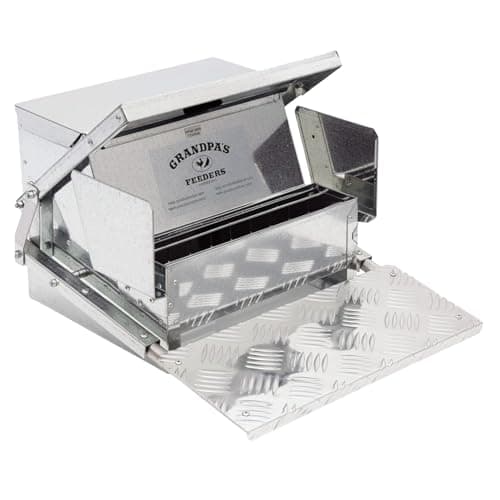
Feeders & Feed
The best chicken feeders
Our main feeder ranking: treadle feeders, port feeders and bucket conversions, judged on waste and rodents.
Waterers
The best chicken waterers
Our main waterer ranking: open founts, cup systems and nipple kits, judged on cleanliness as much as capacity.
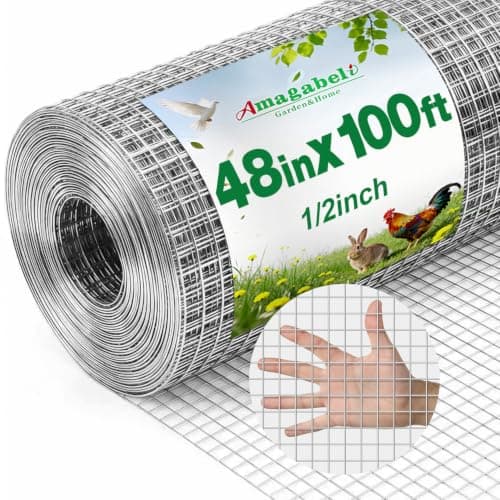
Predator Protection
Chicken wire vs hardware cloth
The single most useful distinction in predator protection, with the gauges, the openings and where each belongs.
Start Here
The real cost of raising backyard chickens
A cost framework using live prices and published consumption figures, so the numbers are yours rather than ours.