Winter Heat
Do chickens need heat in winter?
For healthy adult hens, almost always no. The thing that actually hurts them in a winter coop is damp air.
For healthy adult hens in a dry, draft-free, well-ventilated coop: no. That is the position of the extension services, and the reasoning is worth understanding rather than just accepting, because it changes what you do instead.
Why not
1. Chickens are better insulated than you think
A hen wears a down jacket she maintains herself, fluffs it to trap air when cold, tucks her head under a wing, and shares warmth with the flock on a roost. The breeds commonly kept in US backyards were developed in temperate and cold climates. Cold, in itself, is not the threat.
2. The fire risk is real and the main reason
MSU Extension states it plainly: in most circumstances it advises against adding supplemental heat, because the risk of a heat source causing a fire is too high with combustible bedding present. A coop is a wooden box containing six to twelve inches of dry wood shavings. That is the whole argument, and it is not a cost argument.
3. Heat creates dependency
Birds kept in a heated coop do not acclimatize. If the power fails during a cold snap — which is exactly when power fails — they face the cold without the physiological adaptation their unheated neighbors have. A flock that has never been heated is more resilient, not less.
4. Heat without ventilation makes the real problem worse
This is the one people miss. Warm air holds more moisture. A heated, sealed coop reaches higher humidity than a cold one, and when that moist air meets a cold comb it condenses — which is the mechanism behind frostbite. Extension's frostbite article and University of Minnesota Extension both identify moisture plus cold as the cause. A heater can make frostbite more likely, not less.
What to do instead
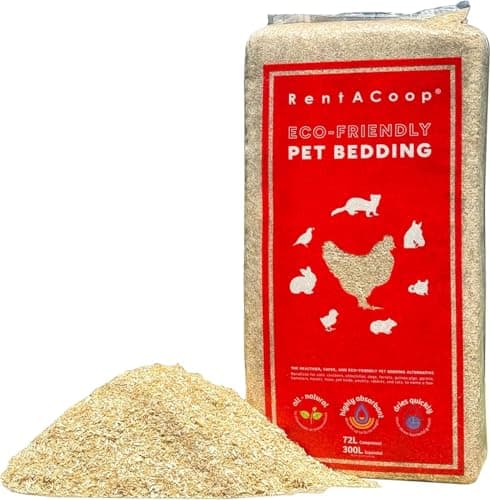
- Keep the litter dry and deep. 6-12 inches in winter, per University of Minnesota Extension — it insulates feet and absorbs moisture.
- Seal drafts at bird level. MSU Extension recommends inspecting for holes and cracks that let air flow freely in, which also keeps rodents out.
- Keep the vents open above head height. Moisture has to leave the building. This is the step people undo in November and should not.
- Use wooden roosts. Flat 2x4 or 2x2 boards, so hens can sit down on their feet and cover them with their body. Avoid metal and plastic.
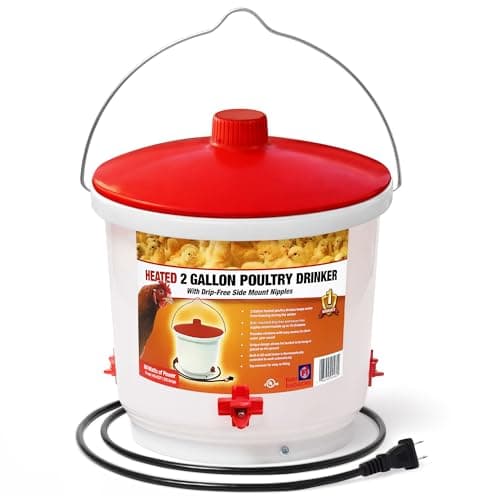
- Keep water liquid. This is the genuinely non-negotiable one. Heated waterers.
- Feed normally and freely. Intake rises in cold weather because birds burn energy staying warm. Do not restrict feed in winter.
The genuine exceptions
There are cases where targeted heat is defensible. None of them is "it is winter":
- A sick, injured or very old bird, ideally in a separate supervised space rather than the main coop.
- Chicks and young pullets, who genuinely cannot thermoregulate yet — that is brooding, not coop heating. Extension's brooding guidance.
- A sustained extreme cold event well outside your normal climate.
- A breed with a very large single comb in a severe continental winter, where frostbite risk is high even in a dry coop.
If one of those applies, use a sealed radiant panel on a thermostat rather than a bulb lamp, and read the fire safety checklist first.
How cold is too cold?
We are not going to print a temperature threshold, because the honest answer depends on breed, age, coop humidity, drafts, flock size and acclimatization, and no single number survives that. What we can say from the published guidance is that the determining variables are dryness, draft and ventilation rather than the thermometer. A dry draft-free coop at a low temperature is safer than a damp one several degrees warmer.
Signs your birds are genuinely struggling
- Blackened or white tips on combs and wattles — frostbite. The coop is damp.
- Birds huddled in one spot away from an opening — a draft, not cold generally.
- Reluctance to come off the roost at all on a mild day — worth a closer look at feet and general condition.
- A sudden stop in laying — check water first; a frozen waterer is far more likely than cold stress.
Summer is the harder season
Worth saying, because it reframes the whole question: chickens cope with cold much better than heat. They cannot sweat and lose heat mainly by panting. A hot still day with no shade and warm water is more dangerous to a backyard flock than a hard frost. If you are budgeting attention, shade and water in July deserve more of it than wattage in January.
Frequently asked questions
Do chickens need a heat lamp in winter?
What temperature is too cold for chickens?
Can a heater cause frostbite?
What do chickens actually need in winter?
When is supplemental heat justified?
Sources
- Michigan State University Extension — Preparing Your Chickens for Winter
- University of Minnesota Extension — Caring for Chickens in Cold Weather
- Extension Poultry — Frostbite in Chickens
- University of Illinois Extension — How to Care for Backyard Chickens in Winter
- UNH Extension — How Should I Take Care of Backyard Chickens in the Winter?
- Extension Poultry — Brooding Poultry Hatchlings
Read next
Winter Heat
How to keep chickens warm in winter
Six changes that keep a flock comfortable through winter, in order of effect, with the gear that actually helps.
Winter Heat
Winterizing a chicken coop
The full autumn checklist: coop, run, water, electrics and flock, in the order that makes the winter easy.
Waterers
The best heated chicken waterers
Heated drinkers and heated bases, ranked on published wattage and thermostat control — the two figures that matter.
Chicken Coops
Chicken coop ventilation, done right
The single most misunderstood part of coop design: why you ventilate in winter, and where the vents actually go.
Winter Heat
Coop heater vs better insulation
Where to spend the winter budget: insulation, draft-proofing and bedding versus a heater. The order is not close.