Guide
Raising chickens for beginners
The pillar guide for a first flock: how many birds, what they need, what it costs, and what to get right first.
What to buy, in what order, with published figures rather than folklore — and a clear line between what you need and what can wait.
Chickens & Coops earns a commission when you buy through our links, at no extra cost to you. Prices come from Amazon and change; the date beside every price is when we last verified it. Full disclosure.
Ranked on the specifications below. Prices are live and dated; where no live price resolves, the cell reads Check price.
| # | Product | Capacity | Score | Price |
|---|---|---|---|---|
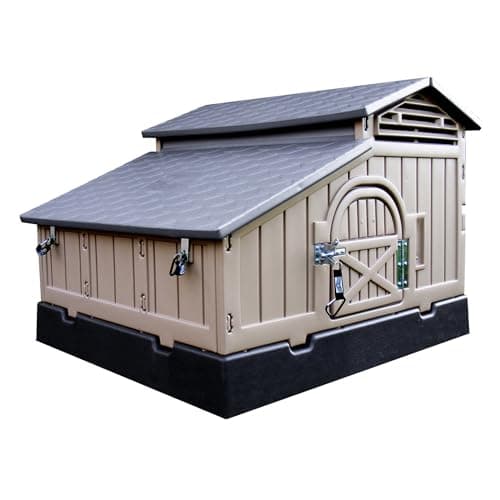
| Rank 1 | Hatching Time SnapLock Formex Standard Coop Four hens, and never scrubbing wood again | Not published | 7.8 | $549.99on Amazon |
| Rank 2 | 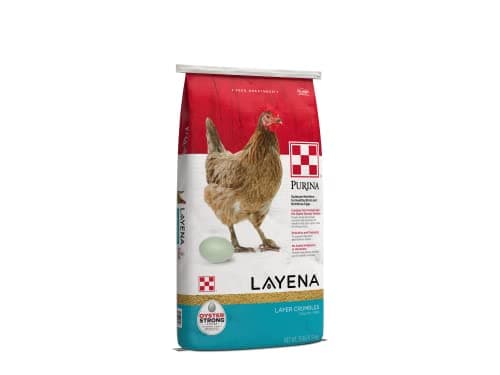 Purina Layena Layer Crumbles, 25 lb The standard bag for a six-hen flock | Not published | 8.3 | $35.98on Amazon |
| Rank 3 | 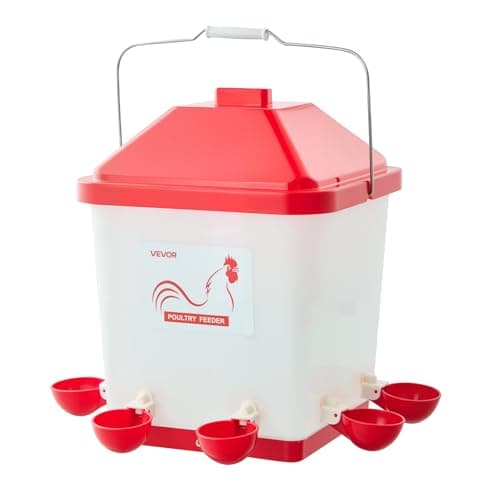 VEVOR 5 Gallon Automatic Waterer with 6 Cups Six automatic cups on one 5-gallon reservoir | 5 gallon | 7.2 | $38.90on Amazon |
| Rank 4 | 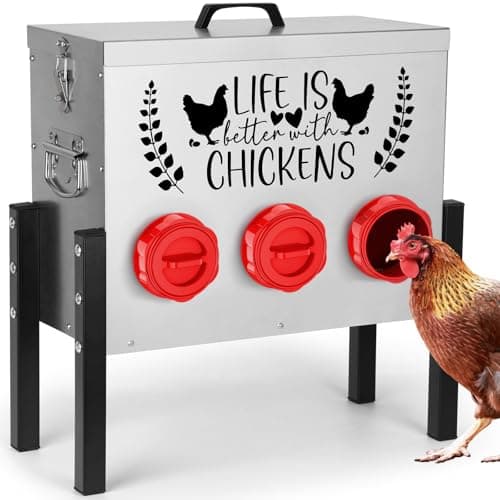 Tgeyd 30 lb Feeder with 6 No-Waste Ports Thirty pounds of feed in a lockable metal hopper | 30 lb | 8.2 | $29.98on Amazon |
| Rank 5 | 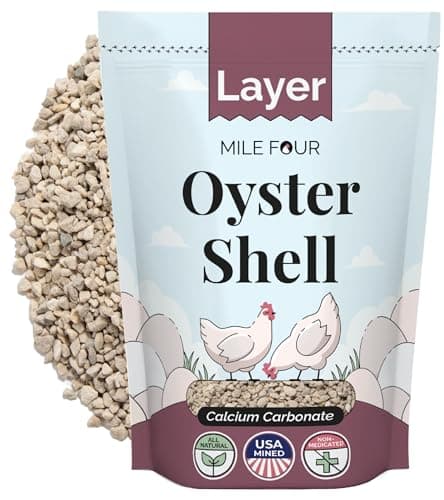 Mile Four Oyster Shell for Laying Hens, 4 lb Eggshell strength, offered free-choice | Not published | 8.8 | $19.99on Amazon |
#ad Prices come from Amazon and change. How this site is funded. Scores are our own published rubric, not a lab test — see how we pick.
Backyard chickens take about five minutes a day plus ten minutes a week, and they are genuinely easy to keep. They are also easy to get wrong in four particular ways, and almost every problem a first-time keeper writes about online resolves to one of them:
Get those four right and the rest is a pleasant daily routine. This section is about getting them right the first time.
Local ordinances and homeowners' association covenants decide this before you do. Many permit hens and prohibit roosters; many cap flock size; some specify setbacks from property lines. Check your municipal code before you buy a coop. This is the step people skip and the one that can end the whole project.
Three to six for a first flock. Two is the minimum — chickens are flock animals and a hen kept alone does poorly — and three gives you a buffer if you lose a bird, which spares you the awkward job of introducing one new hen to one existing hen. Six produces enough eggs for most households and still fits a suburban yard.
And the thing worth planning for: almost everyone adds birds in year two. A neighbor rehomes a pair, a broody hen hatches a clutch, the feed store has chicks in spring. Buy a coop one size above the flock you intend to keep; the marginal cost is small and the cost of a second coop is not.
| Per bird | Source | |
|---|---|---|
| Coop floor | 1.5-2 sq ft | Penn State Extension |
| Run space | 8-10 sq ft | Penn State Extension |
| Roost length | 6 in | Penn State Extension |
| Nest boxes | 2 for first 4 hens, +1 per 4 | Penn State Extension |
| Feed | About 0.25 lb/day | Extension Poultry |
| Water | About 6.4 fl oz/day, double in heat | University of Minnesota Extension |
That is genuinely the whole list. The detailed checklist adds the small things and separates what can wait.
CDC notes that Salmonella outbreaks linked to backyard poultry are common, and that healthy-looking birds can carry it. The rules are short: wash hands with soap and running water after handling birds, eggs or equipment; keep dedicated shoes outdoors; do not bring poultry indoors, especially near food preparation; clean equipment outdoors only; clean and refrigerate eggs and discard cracked ones; and children under five should not handle poultry.
None of that is a reason not to keep chickens. It is a short list of habits. The full page.
10 pages in this section. Roundup tiles carry the live price and a buy link for their top pick.
Guide
The pillar guide for a first flock: how many birds, what they need, what it costs, and what to get right first.
Starter Checklist
The full starter list, split into day-one essentials and things that can wait, with the sizing figures for each.
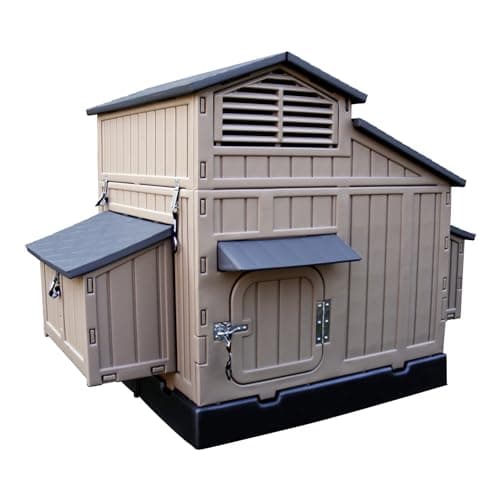
Guide
Flock sizing by household, yard and coop, with the space figures and the honest note about flocks growing.
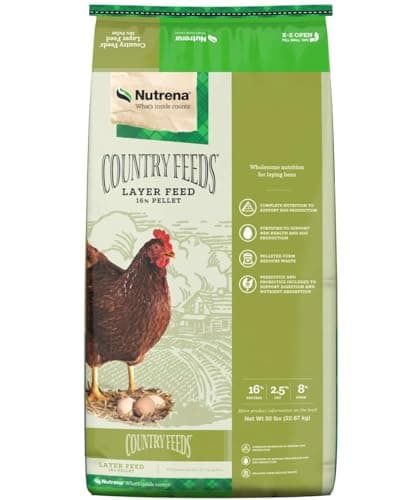
Guide
A cost framework using live prices and published consumption figures, so the numbers are yours rather than ours.
Guide
How to choose a first breed on the traits that matter, and the gear a beginner flock needs regardless.
Guide
The five factors that actually drive laying, ranked, and the feed and nest gear that support them.
Comparison
An honest comparison for a backyard, with the water and housing differences that decide it in practice.
Guide
The daily, seasonal and lifetime pattern of laying, with the five factors that change it and no invented figures.
Guide
CDC's Salmonella guidance for backyard flocks, in plain language. No products, by policy.
Guide
USDA's Defend the Flock biosecurity guidance in plain language, including how to report sick birds. No products, by policy.