Waterers
How to stop chicken water from freezing
Ranked by what actually works. Only two methods reliably keep water liquid through a hard freeze.
Chickens & Coops earns a commission when you buy through our links, at no extra cost to you. Prices come from Amazon and change; the date beside every price is when we last verified it. Full disclosure.
Quick picks
| # | Product | Heater | Score | Price |
|---|---|---|---|---|
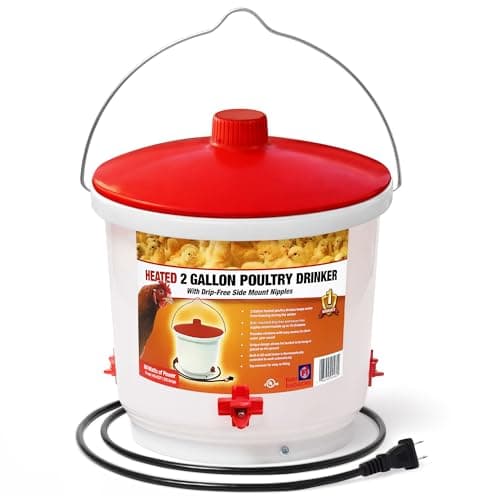
| Rank 1 | Farm Innovators HB-60P Heated Poultry Waterer, 2 Gallon 60W A purpose-built heated waterer that just works | 60 W integrated | 7.2 | $42.99on Amazon |
| Rank 2 | 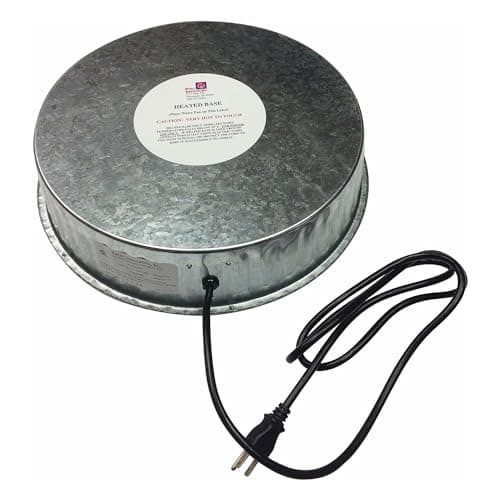 Farm Innovators HP-125 Heated Base for Metal Founts, 125W Heating the metal waterer you already own | Not published | 7.8 | $49.99on Amazon |
| Rank 3 | 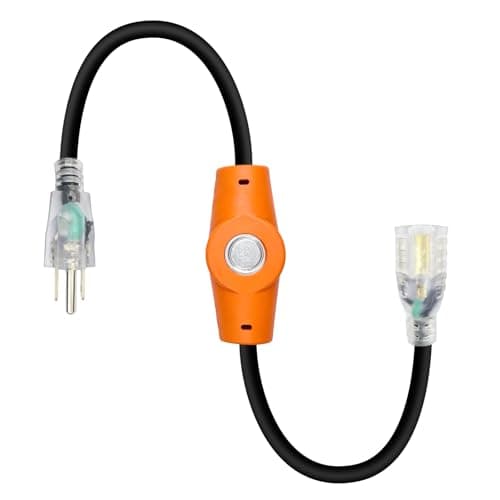 MAXKOSKO Thermostatically Controlled Outlet, 15A 120V Making any coop heater switch itself off | Not published | 7.8 | $16.82on Amazon |
| Rank 4 | 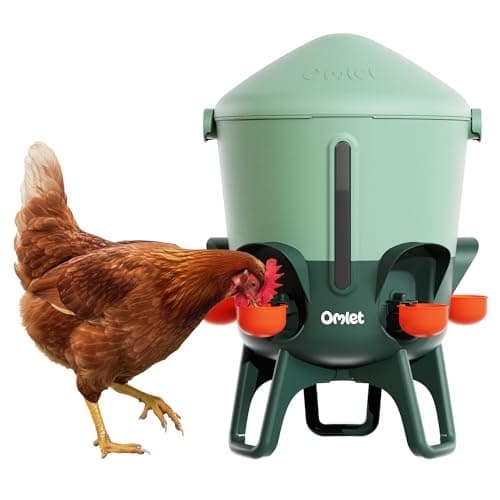 Omlet Insulated Chicken Waterer, 3 Gallon Slowing freezing without any electricity | Not published | 7.0 | $109.99on Amazon |
#ad Prices come from Amazon and change. How this site is funded. Scores are our own published rubric, not a lab test — see how we pick.
A hen that cannot drink stops laying almost immediately and is at real risk within a couple of days. In a freezing climate this is the first winter problem to solve, ahead of coop heat, insulation and everything else. There are a lot of suggested methods and only two of them work reliably.
What works, in order
1. A heated waterer or heated base — the only reliable answer
Thermostatically controlled, 60-125 W, plugged into an outdoor-rated GFCI outlet. It keeps water liquid through any backyard winter and needs no attention beyond the usual cleaning. Everything below this line is a workaround.
2. Twice-daily swap-outs — reliable, and work
Two identical waterers. One is in use; the other is thawing indoors. Swap morning and evening. It genuinely works in any climate and costs nothing, and it is a real commitment every single day for months. Many keepers with no power at the coop do exactly this.
3. A larger volume of water — buys hours
A bigger body of water takes longer to freeze solid. Moving from a 1-gallon to a 5-gallon fount can be the difference between ice at breakfast and ice at lunchtime in a mild freeze. It does nothing in a hard one.
4. A black rubber tub in the sun — buys hours, in sun
Black rubber absorbs solar gain and flexes rather than cracking, so you can stamp the ice out instead of chipping it. Genuinely useful on a cold sunny day; useless on an overcast one, and useless overnight.
5. An insulated waterer — buys hours
Insulation slows heat loss, which delays freezing without preventing it. Worth having where there is no power, and it helps in summer too by keeping water cooler. It is a delay, not a solution.
6. Siting it in sun and out of wind — free, helps a little
Move the waterer to the sunniest, most sheltered spot available, raised off frozen ground. Costs nothing and buys a little time. Do it regardless of what else you do.
What does not work
- Ping pong balls floating in the water. The theory is that wind moves them and the motion delays ice. In a sheltered run there is no wind to move them, and in a real freeze the surface freezes around them. Harmless, but do not rely on it.
- Salt or sugar in the water. Depresses the freezing point negligibly at safe concentrations, and salt at useful concentrations is harmful to chickens. Do not do this.
- Glycerine or antifreeze of any kind. Toxic. Never.
- Apple cider vinegar. It has advocates for other reasons, but it does not meaningfully stop freezing — and it corrodes galvanized founts.
A realistic winter routine
- Before the first freeze: drain and store any hose-fed system, and get the heated waterer out and tested.
- Set it up on a thermostat outlet so it is not drawing power in mild weather.
- Check the cord for rodent damage before plugging it in.
- Daily: confirm the water is liquid and the birds have drunk. A full waterer at dusk can mean a frozen one, not a satisfied flock.
- Weekly: scrub it. Cold water still grows biofilm, just more slowly.
What to buy
A heated drinker, a heated base for an existing metal fount, the thermostat outlet that cuts the running cost, and an insulated option for coops with no power.
#1 · A purpose-built heated waterer that just works
Farm Innovators HB-60P Heated Poultry Waterer, 2 Gallon 60W
Farm InnovatorsTwo gallons with a 60-watt thermostatically-controlled element built in. Published wattage, published capacity, and the heater is integrated rather than bolted on — the fewest failure points of any heated option.
| Capacity | 2 gallon |
|---|---|
| Heater | 60 W integrated |
| Control | Thermostatically controlled |
| Type | Heated drinker |
Specifications per Manufacturer figures as published on the Amazon product listing, as published at the date above.
What it does well
- 60 W is published, so you can work out the running cost rather than guess
- Thermostat means it only draws power when it is actually near freezing
- Integrated heater — no separate base to misalign or water to spill onto
- The most widely used heated poultry drinker in US backyards for a reason
Where it falls short
- 2 gallons is a daily refill for anything above about six hens in winter
- Needs an outdoor-rated extension run to the coop, properly protected
- A permanently plugged-in appliance in a dusty coop needs checking each season
Our rubric
- Capacity
- 5.0
- Stays clean
- 7.0
- Freeze resistance
- 10.0
- Ease of refill
- 7.0
- Value
- 7.0
#2 · Heating the metal waterer you already own
#ad How we are funded · Price as of October 5, 2026
Farm Innovators HP-125 Heated Base for Metal Founts, 125W
Farm InnovatorsA 125-watt thermostatically-controlled base that sits under a metal fount. If you already own a galvanized waterer, this is the cheapest route to unfrozen water — and the only one that scales to 5 gallons.
| Power | 125 W |
|---|---|
| Control | Thermostatically controlled |
| Compatible with | Metal poultry founts only |
| Type | Heated base |
Specifications per Manufacturer figures as published on the Amazon product listing, as published at the date above.
What it does well
- Turns any metal fount into a heated one, including a 5-gallon fount no integrated heater covers
- Thermostat means it idles when it is not freezing
- Cheaper than replacing a working waterer with a heated model
- 125 W published, so running cost is calculable
Where it falls short
- Metal founts ONLY — a plastic waterer on this will soften and deform
- 125 W is twice the draw of an integrated 60 W drinker
- A separate base is one more thing to sit level and keep clear of bedding
Our rubric
- Capacity
- 7.0
- Stays clean
- 7.0
- Freeze resistance
- 9.0
- Ease of refill
- 8.0
- Value
- 8.0
#3 · Making any coop heater switch itself off
#ad How we are funded · Price as of October 5, 2026
MAXKOSKO Thermostatically Controlled Outlet, 15A 120V
MAXKOSKOA thermostat outlet that only passes power near freezing. Put this between the socket and any unthermostatted heater and you stop paying to heat a coop in October.
| Rating | 15 A, 120 V |
|---|---|
| Type | Thermostatically controlled outlet extension |
| Function | Freeze protection switching |
| Switching temperatures | Not published by manufacturer |
Specifications per Manufacturer figures as published on the Amazon product listing, as published at the date above.
What it does well
- Cuts the running cost of any un-thermostatted heater or de-icer to near zero outside freezing weather
- 15 A rating covers everything a backyard coop will plug into it
- Also an added safety layer: a heater that cannot run in mild weather cannot overheat in mild weather
Where it falls short
- Exact on/off temperatures are not published on this listing
- Not a substitute for an outdoor-rated, GFCI-protected supply
- One more connection in a damp environment to keep dry
Our rubric
- Capacity
- 6.0
- Stays clean
- 6.0
- Freeze resistance
- 8.0
- Ease of refill
- 9.0
- Value
- 10.0
#4 · Slowing freezing without any electricity
#ad How we are funded · Price as of October 5, 2026
Omlet Insulated Chicken Waterer, 3 Gallon
OmletA 3-gallon insulated waterer with five cups and nipples included. Insulation does not stop a hard freeze, but it buys hours — which in a mild-winter climate can be enough.
| Capacity | 3 gallon |
|---|---|
| Drinkers | 5 cups and nipples included |
| Insulation | Insulated body |
| Material | BPA-free |
| Power required | None |
Specifications per Omlet published specifications, as published at the date above.
What it does well
- Insulated body genuinely delays freezing with no power at all
- Five drinkers included — nothing else to buy
- Also keeps water cooler in summer, which slows algae
- The right answer where running a cable to the coop is not practical
Where it falls short
- Insulation delays freezing; it does not prevent it below about 25 degrees F overnight
- Priced well above an uninsulated 3-gallon fount
- 3 gallons is a few days for a small flock, not a week
Our rubric
- Capacity
- 6.0
- Stays clean
- 9.0
- Freeze resistance
- 6.0
- Ease of refill
- 8.0
- Value
- 6.0
Frozen water and frostbite are related
Both come back to moisture management. Extension's frostbite guidance and University of Minnesota Extension are clear that humidity combined with cold causes frostbite. A waterer that splashes or overflows inside the coop raises humidity exactly when you least want it. Keep winter water out of the coop if you can, and on a tray if you cannot.
Frequently asked questions
How do you keep chicken water from freezing without electricity?
Do ping pong balls stop chicken water freezing?
Can I put salt in chicken water to stop it freezing?
Can chickens eat snow instead of drinking?
Should the heated waterer go inside the coop?
Sources
- University of Minnesota Extension — Caring for Chickens in Cold Weather
- Extension Poultry — Frostbite in Chickens
- Michigan State University Extension — Preparing Your Chickens for Winter
- University of Illinois Extension — How to Care for Backyard Chickens in Winter
- UNH Extension — How Should I Take Care of Backyard Chickens in the Winter?
Read next
Waterers
The best heated chicken waterers
Heated drinkers and heated bases, ranked on published wattage and thermostat control — the two figures that matter.
Waterers
Keeping chicken water liquid without electricity
The honest options when there is no power at the coop, ranked, with a clear statement of what none of them do.
Winter Heat
Do chickens need heat in winter?
The short answer is no, for healthy adult hens — and the reasons are about fire risk and moisture, not toughness.
Winter Heat
Winterizing a chicken coop
The full autumn checklist: coop, run, water, electrics and flock, in the order that makes the winter easy.
Waterers
Heated base vs heated chicken waterer
Base or integrated drinker: the material question, the wattage question, and which is cheaper overall.