Start Here
Chickens vs ducks
Ducks are hardier, better in winter and far messier. Chickens are tidier, easier to house and easier to start with.
Chickens & Coops earns a commission when you buy through our links, at no extra cost to you. Prices come from Amazon and change; the date beside every price is when we last verified it. Full disclosure.
Quick picks
| # | Product | Capacity | Score | Price |
|---|---|---|---|---|
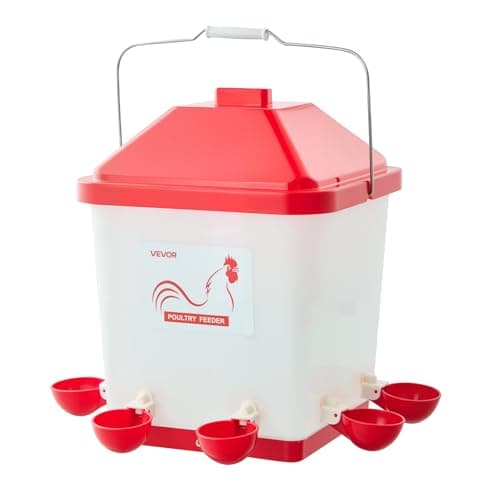
| Rank 1 | VEVOR 5 Gallon Automatic Waterer with 6 Cups Six automatic cups on one 5-gallon reservoir | 5 gallon | 7.2 | $38.90on Amazon |
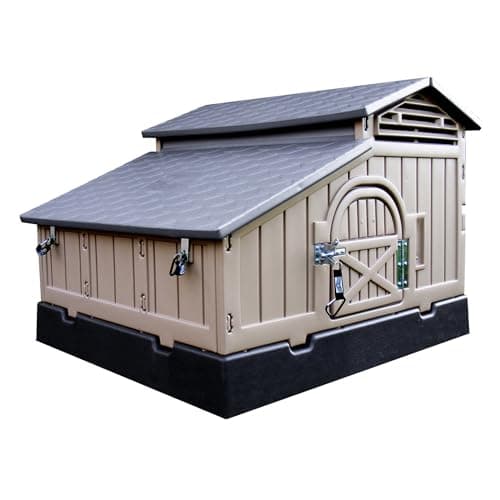
| Rank 2 | 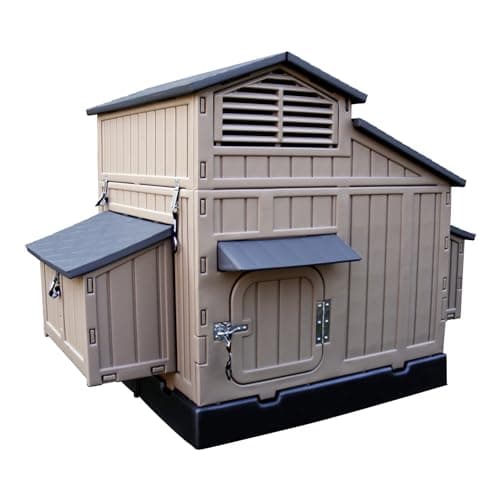 Hatching Time Formex Snap Lock Large Coop (4-6 hens) Six hens in a coop you can pressure-wash | Not published | 7.7 | $824.99on Amazon |
| Rank 3 | 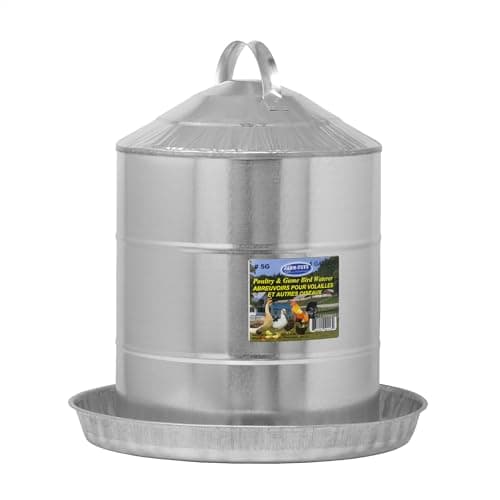 FARM-TUFF Galvanized Poultry Fountain, 5 Gallon A gravity waterer that lasts a decade | 5 gallon | 6.6 | $56.16on Amazon |
| Rank 4 | 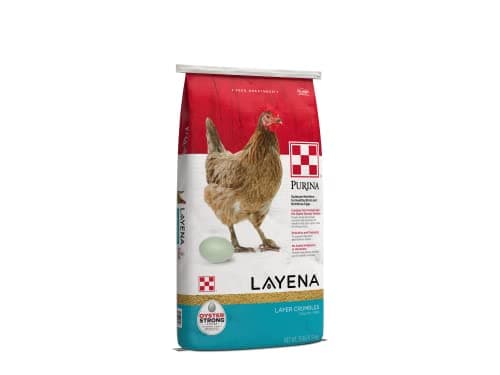 Purina Layena Layer Crumbles, 25 lb The standard bag for a six-hen flock | Not published | 8.3 | $35.98on Amazon |
#ad Prices come from Amazon and change. How this site is funded. Scores are our own published rubric, not a lab test — see how we pick.
This question comes up more than you might expect, usually from someone who has read that ducks are hardier and lay better. Both of those are broadly true, and they come with a trade-off that decides the matter for most suburban backyards: water.
Head to head
| Chickens | Ducks | |
|---|---|---|
| Water needs | A drinker | A drinker plus bathing water they will foul daily |
| Mess | Dry droppings; manageable | Wet droppings; a mud zone around any water |
| Cold hardiness | Good with a dry coop | Better — waterproof feathers and body fat |
| Heat tolerance | Poorer — they cannot sweat | Better, if they can get into water |
| Housing | Coop with roosts and nest boxes | Simpler — no roosts, they nest on the floor |
| Predator vulnerability | High at night; a coop solves it | Higher — they cannot fly up and are slower |
| Noise | Moderate; the egg song | Louder — female ducks quack persistently |
| Garden impact | Scratch and dig up beds | Do not scratch; trample and eat slugs |
| Eggs | Familiar; smaller | Larger, richer, excellent for baking |
| Equipment availability | Everything | Much less choice |
| Easier to start with | Yes | No |
The water problem, specifically
Ducks need water deep enough to dip their whole head, to keep their eyes and nostrils clear. Give them that and they will also bathe in it, splash most of it out, and foul it within hours. In practice this means a water area that has to be emptied, cleaned and refilled daily, and a permanent mud zone around it.
On grass, in a large garden, this is manageable and ducks are a pleasure. In a small suburban backyard it is the single biggest practical objection — a duck setup creates a wet, muddy area in a way a chicken setup simply does not.
Where ducks genuinely win
- Cold. Waterproof feathers and a fat layer make ducks noticeably more comfortable in winter than hens.
- Slugs and snails. Ducks are excellent at them and, unlike chickens, do not scratch up your flower beds while hunting.
- Eggs for baking. Duck eggs are larger with a higher fat content and are genuinely better in pastry and cake.
- Housing simplicity. No roosts, no nest boxes, no perch-height calculations — a dry, draft-free, secure floor is enough.
- Temperament. Many people find ducks calmer and less prone to the bullying dynamics a confined chicken flock can develop.
Where chickens genuinely win
- Mess. Decisive for most backyards.
- Equipment. Everything is made for chickens: coops, feeders, waterers, nest boxes, automatic doors. Duck-specific gear is a much thinner market.
- Predator protection. Ducks cannot fly up out of reach and are slower. They need a secure house at night even more than hens do.
- Noise. Female ducks quack loudly and persistently, which is a neighbor consideration that is often underestimated.
- Information and community. Far more guidance exists for chickens, including from extension services.
- Starting out. Chickens are the easier first poultry, straightforwardly.
What they share
More than people expect, which matters if you are weighing the two:
- Feed. Many complete feeds are formulated for chickens and ducks together; several products on this site state both.
- Grit. Both need insoluble grit for anything other than complete feed.
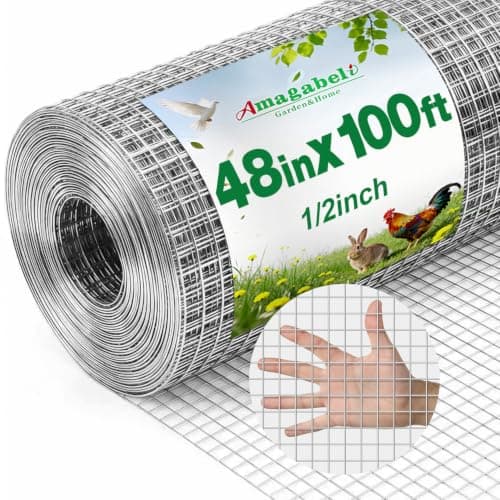
- Predator protection. Half-inch hardware cloth, a two-step latch, the door shut at dusk, a perimeter apron. All of it applies.
- Hygiene. CDC's backyard poultry guidance covers all backyard poultry — handwashing, dedicated shoes, no birds indoors, equipment cleaned outdoors.
- Biosecurity. USDA's Defend the Flock guidance applies to both, and waterfowl are particularly relevant to avian influenza because wild waterfowl are a reservoir.
Gear that works for both
A large cup-fed waterer, a coop that works as a duck house, a galvanized fount, and a feed formulated for chickens and ducks.
#1 · Six automatic cups on one 5-gallon reservoir
VEVOR 5 Gallon Automatic Waterer with 6 Cups
VEVORFive gallons feeding six auto-fill cups. Cups keep the bulk of the water sealed inside the drum, which is the main reason cup systems stay cleaner than open founts.
| Capacity | 5 gallon |
|---|---|
| Water ports | 6 automatic-fill cups |
| Operation | Automatic gravity, cup-fed |
| Handle | Carry handle fitted |
Specifications per Manufacturer figures as published on the Amazon product listing, as published at the date above.
What it does well
- Six cups means six hens drink at once without a queue
- The reservoir is sealed, so bedding and droppings cannot get into the bulk water
- 5 gallons on a carry handle is a sensible format for a shed-to-run trip
Where it falls short
- Cups freeze solid before the reservoir does — this is a summer solution
- Cup valves stick if grit gets into them; they need a weekly flick
- Plastic body, so no heated base
Our rubric
- Capacity
- 8.0
- Stays clean
- 9.0
- Freeze resistance
- 2.0
- Ease of refill
- 8.0
- Value
- 9.0
#2 · Six hens in a coop you can pressure-wash
#ad How we are funded · Price as of October 5, 2026
Hatching Time Formex Snap Lock Large Coop (4-6 hens)
Hatching TimeThe larger Formex coop, stated for 4-6 birds. Same argument as the standard model — a non-porous double wall, no mite harborage, hose-out cleaning — with room for a realistic six-hen flock.
| Stated capacity | 4-6 chickens |
|---|---|
| Material | Formex structural foam (double wall) |
| Assembly | Snap-together |
| Ventilation | Built-in vents |
| Floor area | Not published by manufacturer |
Specifications per Manufacturer figures as published on the Amazon product listing, as published at the date above.
What it does well
- Nothing for red mite to hide in, which is the problem wooden coops never fully solve
- Washes down to clean in minutes — the difference between cleaning weekly and meaning to
- Insulated wall moderates both winter cold and summer heat
- No rot, no repainting, no re-sealing, ever
Where it falls short
- Expensive next to a wooden coop of the same stated capacity
- Must be anchored — light enough to shift in strong wind
- No published floor area, so the 4-6 claim cannot be checked on paper
Our rubric
- Space per bird
- 7.0
- Predator resistance
- 7.0
- Ventilation
- 8.0
- Cleaning access
- 10.0
- Build
- 9.0
- Value
- 5.0
#3 · A gravity waterer that lasts a decade
#ad How we are funded · Price as of October 5, 2026
FARM-TUFF Galvanized Poultry Fountain, 5 Gallon
FARM-TUFFA double-wall galvanized cone-top fountain. Metal is the right choice if you will ever want a heated base under it — plastic founts cannot sit on one.
| Capacity | 5 gallon |
|---|---|
| Material | Galvanized steel, double wall |
| Top | Cone top |
| Operation | Automatic gravity feed |
| Heated base compatible | Yes — metal fount |
Specifications per Manufacturer figures as published on the Amazon product listing, as published at the date above.
What it does well
- Galvanized metal is the only fount body you can legitimately put on a heated base
- Cone top stops hens roosting on it and fouling the water
- Double wall construction means it will outlast several plastic waterers
- 5 gallons is roughly a week for a small flock in mild weather
Where it falls short
- Heavy when full — about 40 lb of water plus the fount
- Galvanized metal reacts with apple cider vinegar, so skip that additive with it
- Cone top makes it awkward to scrub inside
Our rubric
- Capacity
- 8.0
- Stays clean
- 8.0
- Freeze resistance
- 4.0
- Ease of refill
- 6.0
- Value
- 7.0
#4 · The standard bag for a six-hen flock
#ad How we are funded · Price as of October 5, 2026
Purina Layena Layer Crumbles, 25 lb
Purina25 lb of complete layer crumble — roughly a month for six hens. Crumble suits mixed-age flocks and bantams that find full pellets awkward.
| Type | Layer crumbles, nutritionally complete |
|---|---|
| Weight | 25 lb |
| For | Laying hens |
| Protein | Not published by manufacturer |
Specifications per Manufacturer figures as published on the Amazon product listing, as published at the date above.
What it does well
- Complete layer ration from the most widely stocked brand in the US
- Crumble is easier for bantams and smaller breeds to eat than pellets
- 25 lb is about a month for six hens — fresh all the way down the bag
Where it falls short
- Crumble generates more dust and more billed-out waste than pellets
- Protein percentage is not stated on this listing
- Needs an airtight bin once opened or it absorbs moisture
Our rubric
- Fit for purpose
- 9.0
- Mess and waste
- 7.0
- Quality
- 9.0
- Value
- 8.0
Can you keep them together?
Many people do, and it works with care. The friction points:
- Ducks make everything wet, and chickens need dry bedding. Separate sleeping quarters, or a very well-drained shared one.
- Chickens roost, ducks do not. Ducks on the floor under roosting hens get rained on all night.
- Drinkers. Chickens cannot use a duck bathing area safely; ducks need more than a chicken nipple system provides.
- Feed. Workable with an all-flock or combined chicken-and-duck ration, which several feeds are.
- Drakes can be rough with hens. A drake-free mixed flock is much easier.
Frequently asked questions
Are ducks easier than chickens?
Do ducks need a pond?
Can ducks and chickens live together?
Are duck eggs better than chicken eggs?
Which is better for a small backyard?
Sources
Read next
Start Here
Raising chickens for beginners
The pillar guide for a first flock: how many birds, what they need, what it costs, and what to get right first.
Start Here
The best chicken breeds for beginners
How to choose a first breed on the traits that matter, and the gear a beginner flock needs regardless.
Waterers
The best chicken waterers
Our main waterer ranking: open founts, cup systems and nipple kits, judged on cleanliness as much as capacity.
Predator Protection
The main chicken predators, and what stops each one
An identification guide: what each predator does, how to tell which one visited, and the one measure that stops it.
Start Here
Chicken starter checklist
The full starter list, split into day-one essentials and things that can wait, with the sizing figures for each.