Start Here
The best backyard chickens for kids
There is one rule to settle before you choose a breed: CDC says children under five should not handle poultry at all. Everything else follows from that.
Chickens & Coops earns a commission when you buy through our links, at no extra cost to you. Prices come from Amazon and change; the date beside every price is when we last verified it. Full disclosure.
Top pick
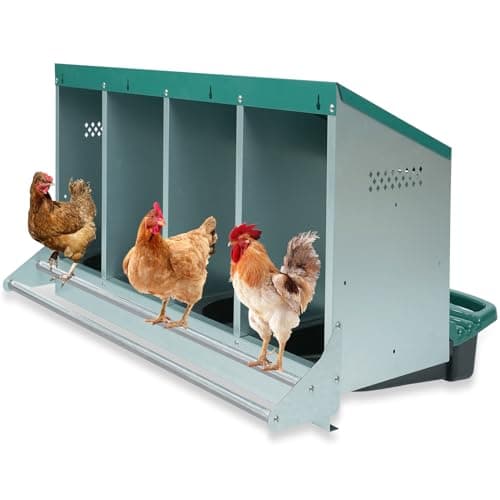
4-Hole Heavy Duty Metal Roll-Away Nesting Box
Four roll-away holes in heavy-duty metal.
#ad How we are funded · Price as of November 8, 2026
Quick picks
| # | Product | Material | Score | Price |
|---|---|---|---|---|
| Rank 1 | 4-Hole Heavy Duty Metal Roll-Away Nesting Box Clean eggs from sixteen hens | Heavy duty metal | 9.4 | $109.994-Hole Heavy Duty |
| Rank 2 | 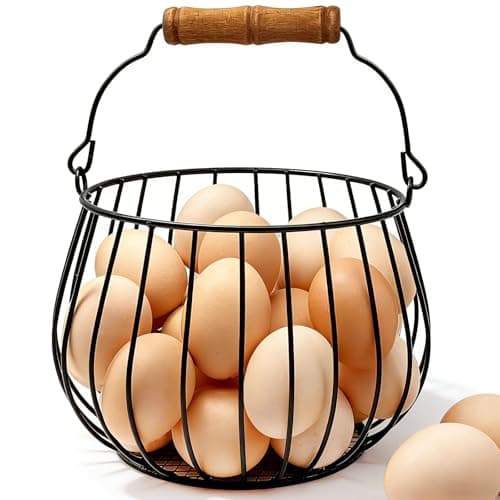 Wire Egg Basket for Gathering Fresh Eggs, Holds 24 Eggs, Wood Handle Carrying eggs from the coop to the kitchen in one trip | Metal wire with wood handle | 8.5 | $19.99Wire Egg Basket |
| Rank 3 | 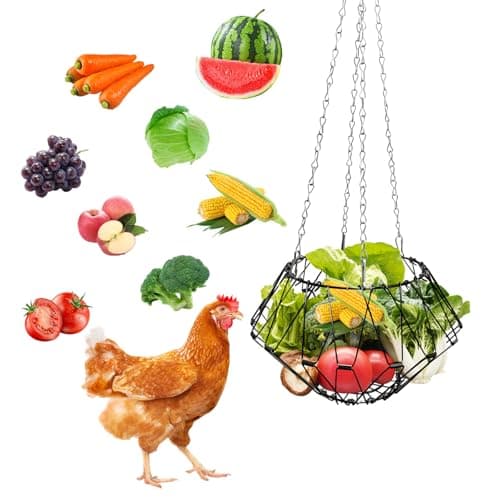 RRQKMBO Hanging Chicken Vegetable Treat Holder Ball, 9.25 in Winter boredom, with no calories added | Metal wire, foldable | 9.2 | $13.99RRQKMBO, 9.25 in |
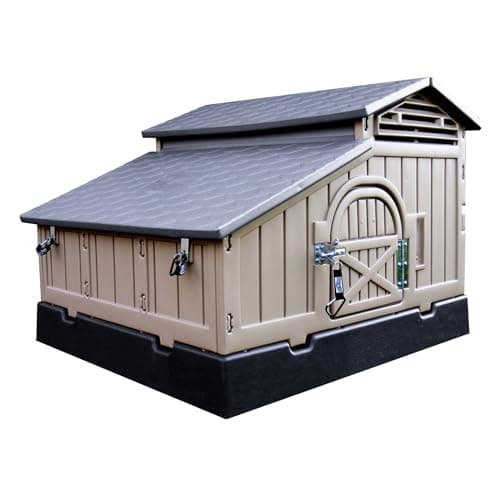
| Rank 4 | 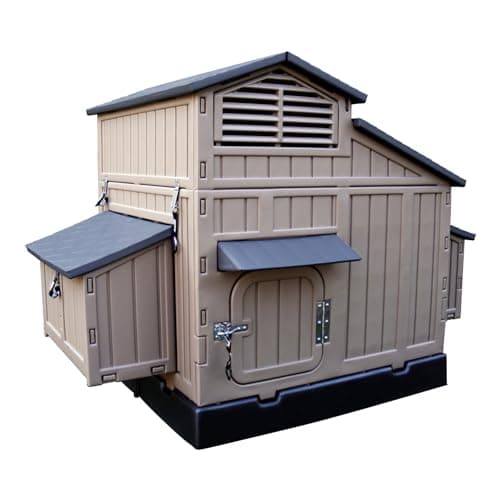 Hatching Time Formex Snap Lock Large Coop (4-6 hens) Six hens in a coop you can pressure-wash | Formex structural foam (double wall) | 9.2 | $879.99Hatching Time Formex |
| Rank 5 | 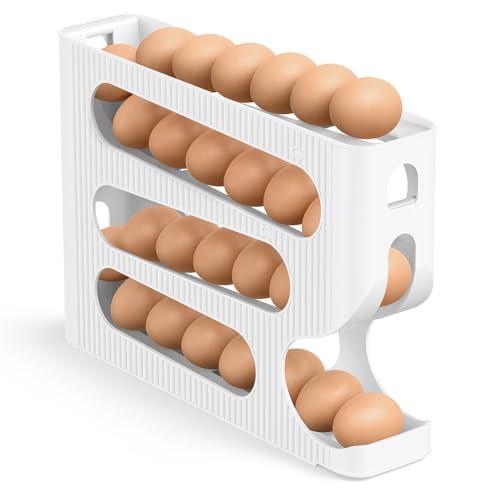 Sotfamily FIFO Egg Holder, 28 Eggs Eating the oldest egg first without having to remember which one it is | Not published | 9.3 | $18.99Sotfamily, 28 Eggs |
| Rank 6 | 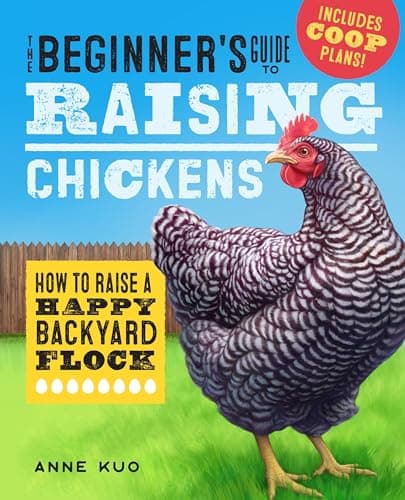 The Beginner's Guide to Raising Chickens A first flock, on the smallest budget | Not published | 9.1 | $6.49The Beginner's Guide |
#ad Prices come from Amazon and change. How this site is funded. Scores are our own published rubric, not a lab test — see how we pick.
Start with the part most "chickens for kids" pages skip. CDC's backyard poultry guidance is explicit: "Don't let children younger than 5 years old handle or touch chicks, ducklings, or other poultry." It also says to "always supervise children around poultry and while they wash their hands afterward", and that chicks and ducklings should not be given to young children as gifts.
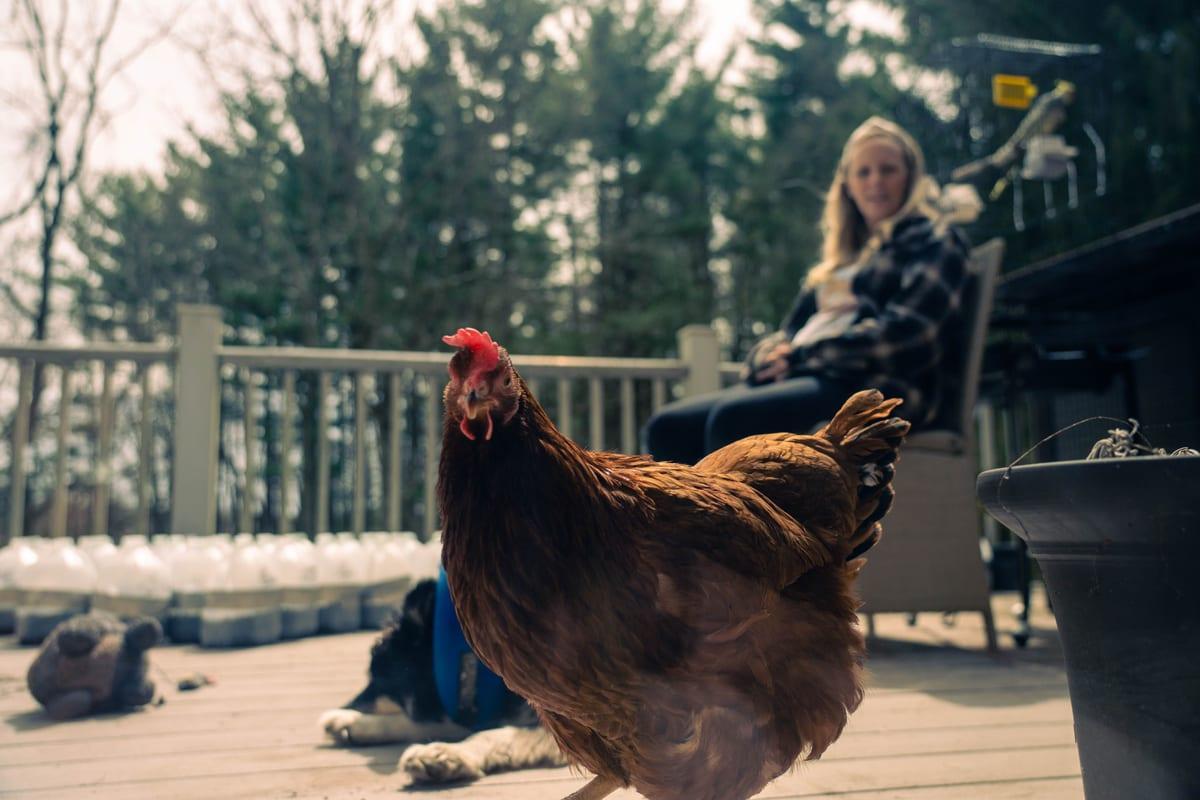
That is not a reason not to keep chickens with small children in the house — plenty of families do, happily. It is a reason to design the setup so a toddler can watch, help and be involved without touching a bird. Which, conveniently, is also the setup that gets eggs collected reliably and the coop cleaned out on time.
The age rules, plainly
| Age | What CDC says | What that looks like in practice |
|---|---|---|
| Under 5 | Should not handle or touch chicks, ducklings or other poultry. Live poultry should not be kept in facilities with children under 5 | Watching, pointing, naming, throwing greens over the fence, carrying the empty basket. No contact with birds |
| 5 to about 9 | Always supervise children around poultry and while they wash their hands afterward | Collecting eggs from a tray, filling a feeder, carrying water, gentle supervised holding |
| About 10 and up | Same supervision and handwashing expectations; children's immune systems are still developing | Most of the daily routine, with an adult checking that handwashing actually happened |
The reason behind the rule is worth telling children, because it makes the handwashing make sense rather than feel arbitrary. CDC notes that "young children, older adults, and people with weakened immune systems are more likely to get sick from these germs", and that children are more likely to get sick because "children's immune systems are still developing". A healthy-looking bird can still carry Salmonella. The full version is on our Salmonella page, and it is short.
What actually makes a hen good with children
A note on how this page is built. Per-breed temperament claims circulating online are largely reproduced from hatchery marketing copy, and none of it traces back to an independent source. So rather than hand you a ranked breed list, here are the traits that decide it and how to assess them in the actual birds you are about to buy.
1. Calmness, assessed in person
The trait that matters most, and the one you can genuinely check. A calm hen tolerates being approached, picked up and put down. A flighty one panics, flaps, and teaches a child that chickens are frightening. Ask the breeder or the store directly: are these birds handled? Are they calm to pick up? Then watch what happens when someone walks into the pen. Birds that scatter to the far corner are telling you something.
2. Size — bigger is usually easier
Counter-intuitive, and true. A standard-size hen is heavy enough to sit still when held and slow enough to be caught without a chase. Bantams are small, quick and light, which makes them harder for a child to hold securely and more likely to be dropped. Very heavy breeds are the other extreme — a child may not be able to lift one at all, which is fine if the plan was never for them to.
3. Low broodiness
A broody hen stops laying, sits in a nest box for weeks and defends it. Defending it means pecking the hand that reaches in, and for a child whose job is egg collection that is the exact wrong lesson at the exact wrong moment. If you want a flock a child collects from, ask about broodiness before you buy — and see the roll-away nest box below, which removes the problem entirely.
4. Hens only
Roosters are not a children's animal. A protective rooster will attack at face height, which on a six-year-old means eyes. Many municipalities prohibit them anyway. If you are buying unsexed chicks, understand that roughly half will be male and decide what happens to them before they hatch — the beginner guide covers why that decision is harder than it sounds.
Chicks or pullets, for a family
Chicks are what children want and pullets are usually what families should buy. Both answers are defensible; here is the honest trade.
| Day-old chicks | Point-of-lay pullets | |
|---|---|---|
| The appeal for a child | Very high — this is the part they will remember | Lower, but eggs arrive within weeks |
| CDC consideration | Explicitly flagged: chicks should not be given to young children as gifts | Same handwashing rules, no gift warning |
| Equipment | A brooder, run at 90 to 95 degrees F to start, for about six weeks | The normal coop setup |
| Sexed? | Often not — expect about half cockerels | Yes, they are laying or close to it |
| Time to eggs | About five months | Weeks |
| Best for a first family flock | Only if you want the project | Yes |
If you do go with chicks, what baby chicks need is the equipment list and brooder temperature by week is the schedule. The handling rule does not change in the brooder: a chick is a bird, and the under-five line still applies.
The jobs a child can actually do
Giving a child a real job is the whole point, and the jobs want to be ones they can complete without help and without touching a bird. In rough order of age:
- Carrying the basket. Three-year-olds can do this and it makes them part of the operation.
- Throwing greens into a treat ball or over the fence. Contact-free, the birds come running, and it is the single most rewarding two minutes of a child's day.
- Collecting eggs from a roll-away tray. No reaching under a hen, no broody peck, no cracked eggs. The best first real job there is.
- Filling the feeder. Straightforward once they can lift the scoop, and it teaches them what the birds actually eat.
- Carrying and changing water. A full waterer is heavy, so this starts as a two-person job and becomes theirs.
- Counting the flock at dusk. A genuinely useful safety check, and a child will do it more reliably than you will.
- Looking at the birds. Teach them what normal looks like — clear eyes, clean vent, no labored breathing, active. A child who sees the flock twice a day spots a sick bird before you do.
What stays an adult job: catching and holding birds, anything involving a broody hen, cleaning the coop, handling bedding and droppings, and washing eggs. CDC's guidance is that equipment should be cleaned outdoors only and that poultry should not come into the house, especially near food preparation.
The handwashing setup is the real purchase
CDC asks for handwashing "with soap and running water" after handling birds, eggs or equipment, and says "adults should supervise handwashing for young children". Running water is the operative phrase, and it is the one most backyards fail.
The practical version: put soap and water at the coop, not in the kitchen. An outdoor tap with a pump soap dispenser beside it, or a jug of water and soap on a shelf by the coop door, turns handwashing into something that happens on the way back rather than something you remember at dinner. Hand sanitizer is the fallback when water is not available — CDC's position is that it is a substitute for soap and water when those are unavailable, not a replacement for them. Keep a pair of dedicated coop shoes by the back door and leave them outdoors.
How we ranked the gear
The picks below are the six things that make a family flock work, chosen for one criterion above all others: does it let a child do a real job without handling a bird or needing an adult's hands? Nobody on this site has lived with all six; the ranking draws on the figures each listing publishes, the pattern of what verified owners report at the retailer, and whether the design holds up against the CDC guidance above. How we pick sets out the method and its limits.
What makes a family flock work
A nest box a child can collect from, something to carry the eggs in, a contact-free way to feed treats, and a coop that cleans out fast.
#1 · Clean eggs from sixteen hens
#ad How we are funded · Price as of November 8, 2026
4-Hole Heavy Duty Metal Roll-Away Nesting Box
GenericFour roll-away holes in heavy-duty metal. Roll-away is the single best upgrade for egg cleanliness: the egg leaves the nest the moment it is laid, so it cannot be stood on, pecked or soiled.
| Holes | 4 |
|---|---|
| Covers | Up to 16 hens at 1 box per 4 |
| Material | Heavy duty metal |
| Type | Roll-away with egg collection |
Specifications per Manufacturer figures as published on the Amazon product listing, as published at the date above.
Why we picked it
- Eggs roll out of reach immediately — the end of dirty eggs and most egg-eating habits
- Metal construction leaves mites nowhere to hide and lasts far longer than ply
- Four holes covers a sixteen-hen flock
- Collecting from a tray rather than reaching under a hen is faster and calmer
Good to know — Roll-away boxes are the most expensive nest option
Our rubric
- Egg cleanliness
- 10.0
- Mounting options
- 8.9
- Cleaning access
- 9.8
- Build
- 9.8
- Value
- 8.4
#2 · Carrying eggs from the coop to the kitchen in one trip
#ad How we are funded · Price as of November 8, 2026
Wire Egg Basket for Gathering Fresh Eggs, Holds 24 Eggs, Wood Handle
GenericThe collection half of the job, which the racks and cartons do not do. A published 24-egg capacity and an open weave that lets you see every egg you put in, on a handle you can carry while opening a coop door with the other hand. Buy it for the walk, not for storage.
| Stated capacity | 24 eggs |
|---|---|
| Material | Metal wire with wood handle |
| Weave | Open weave |
| Food-safe coating | Not published by manufacturer |
| Dishwasher safe | Not published by manufacturer |
Specifications per Manufacturer figures as published on the Amazon product listing, as published at the date above.
Why we picked it
- A published capacity figure, which most baskets in this category do not give you
- Open wire lets dirt and bedding fall through instead of riding into the kitchen
- One-handed carry on the handle, which matters with a coop door and a dog at your knees
- Doubles as a countertop holder if you keep eggs out, though a spiral rotates better
Good to know — Eggs touch metal and each other — on a rough walk the losses are real
Our rubric
- Rotation (oldest first)
- 7.0
- Capacity
- 9.8
- Egg protection
- 7.5
- Cleaning
- 8.4
- Value
- 9.8
#3 · Winter boredom, with no calories added
#ad How we are funded · Price as of November 8, 2026
RRQKMBO Hanging Chicken Vegetable Treat Holder Ball, 9.25 in
RRQKMBOA wire ball on a chain that holds a cabbage, a lettuce or a handful of greens at head height. It is the only item here that occupies a flock for an hour without adding anything to the diet — which makes it the right answer when the real problem is a bored, confined flock rather than a hungry one.
| Diameter | 9.25 in |
|---|---|
| Material | Metal wire, foldable |
| Hanging | 4 stainless chains included |
| Holds | Vegetables, fruit, greens |
| Weather rating | Not published by manufacturer |
Specifications per Manufacturer figures as published on the Amazon product listing, as published at the date above.
Why we picked it
- Occupies a confined flock for an hour with greens you already have
- Adds no grain and no fat, so it does not dilute the layer ration at all
- Hanging at head height keeps the food off wet litter
- A frozen block of greens in this is a genuinely useful hot-weather trick
Good to know — It is a holder, not food — you supply the cabbage
Our rubric
- Fit for purpose
- 9.8
- Mess and waste
- 8.9
- Quality
- 8.4
- Value
- 9.8
#4 · Six hens in a coop you can pressure-wash
#ad How we are funded · Price as of November 8, 2026
Hatching Time Formex Snap Lock Large Coop (4-6 hens)
Hatching TimeThe larger Formex coop, stated for 4-6 birds. Same argument as the standard model — a non-porous double wall, no mite harborage, hose-out cleaning — with room for a realistic six-hen flock.
| Stated capacity | 4-6 chickens |
|---|---|
| Material | Formex structural foam (double wall) |
| Assembly | Snap-together |
| Ventilation | Built-in vents |
| Floor area | Not published by manufacturer |
Specifications per Manufacturer figures as published on the Amazon product listing, as published at the date above.
Why we picked it
- Nothing for red mite to hide in, which is the problem wooden coops never fully solve
- Washes down to clean in minutes — the difference between cleaning weekly and meaning to
- Insulated wall moderates both winter cold and summer heat
- No rot, no repainting, no re-sealing, ever
Good to know — Expensive next to a wooden coop of the same stated capacity
Our rubric
- Space per bird
- 8.9
- Predator resistance
- 8.9
- Ventilation
- 9.3
- Cleaning access
- 10.0
- Build
- 9.8
- Value
- 7.9
#5 · Eating the oldest egg first without having to remember which one it is
#ad How we are funded · Price as of November 8, 2026
Sotfamily FIFO Egg Holder, 28 Eggs
SotfamilyThe only thing on this page that solves rotation mechanically rather than asking you to keep track. Eggs load at the top, roll down a sloped channel, and the one waiting at the opening is always the oldest in the tray. For a flock that lays a few eggs a day rather than a dozen at once, that is the whole problem handled.
| Stated capacity | 28 large eggs |
|---|---|
| Type | Auto-rolling first-in-first-out egg dispenser |
| Placement | Refrigerator shelf or kitchen countertop |
| Pack | 1 dispenser |
| Material | Not published by manufacturer |
Specifications per Manufacturer figures as published on the Amazon product listing, as published at the date above.
Why we picked it
- Rotation is built into the shape: the egg at the opening is always the oldest, with nothing to label and nothing to remember
- 28 large eggs is roughly four days of laying from a six-hen flock, which is the right size of buffer
- Fits a standard fridge shelf, so it replaces the loose cartons rather than adding to them
- Open front shows you how many eggs you actually have before you go shopping
Good to know — Sized for large eggs, so early pullet eggs and jumbos sit less evenly in the channel
Our rubric
- Rotation (oldest first)
- 10.0
- Capacity
- 8.9
- Egg protection
- 8.9
- Cleaning
- 8.9
- Value
- 9.8
#6 · A first flock, on the smallest budget
#ad How we are funded · Price as of November 8, 2026
The Beginner's Guide to Raising Chickens
Anne KuoA short, plain-language introduction aimed squarely at someone who has not bought anything yet. It will not answer every question you eventually have, and at this price it does not need to — it gets you to a healthy first flock without the jargon.
| Author | Anne Kuo |
|---|---|
| Edition | Not published by manufacturer |
| Publisher | Callisto Publishing |
| Stated scope | How to raise a happy backyard flock |
Specifications per Manufacturer figures as published on the Amazon product listing, as published at the date above.
Why we picked it
- The cheapest book here by a wide margin, and the easiest first read
- Written for the complete beginner rather than for a smallholder
- Short enough to finish before the chicks arrive
Good to know — Shallow next to the Storey guide — it will not cover the problem you hit in year two
Our rubric
- Beginner clarity
- 10.0
- Depth
- 7.9
- Reference value
- 7.9
- How current it is
- 8.9
- Value
- 10.0
Why the roll-away nest box is the top pick
Because it changes the job rather than making it easier. In a standard nest box, collecting an egg means putting a hand into a dark box that may contain a sitting hen. That is the step where a child gets pecked, where an egg gets crushed, and where a broody hen turns a daily routine into a daily argument.
A roll-away box has a sloped floor: the egg rolls out of the nest into a covered tray at the back or front, out of reach of the hens. A child opens the tray and takes out clean eggs. Nobody reaches under anything. The eggs are also cleaner, which matters here more than usual — CDC's advice is to clean and refrigerate eggs after collection and discard cracked ones, and a clean egg needs less handling to begin with. The roll-away roundup covers the category properly, and roll-out versus standard boxes is the straight comparison.
A note on washing eggs with children around
Prefer not to wash them. Washing removes the cuticle that seals the shell's pores, so an egg that arrives clean is better than an egg you cleaned. A dry brush handles a lightly soiled shell. If an egg genuinely needs water, that is an adult job with warm water, and the egg goes in the refrigerator afterwards. Egg storage and handling has the full procedure and the temperatures.
What about the rest of the project
Everything else about a family flock is just a flock. Space figures do not change because there are children involved, the predator risks are identical, and the daily routine is the same. If you have not settled the basics yet:
- How many birds. Three to six for most families. How many chickens should I get.
- What it costs. Including the things nobody mentions. Cost of raising chickens.
- The coop. Sized by flock, not by the box it comes in. Best chicken coops for beginners.
- The breed question, properly. Best chicken breeds for beginners covers the four traits and where to buy, and best chickens for cold climates covers it if your winters are severe.
- A book the whole family can read. The plain-language beginner titles are in the chicken book roundup, and there is a genuine children's-book category we have deliberately not tried to rank alongside husbandry references.
What we would do
- With a child under five: keep the flock, keep the child on the outside of the fence, and give them the basket and the treat ball. Three or four calm standard-size hens, bought as point-of-lay pullets.
- With a five to nine-year-old: a roll-away nest box and the egg basket, and egg collection becomes their job on day one. Supervised holding, every time.
- With a ten-year-old who is genuinely keen: hand over the daily routine and keep the coop clean-out and bird handling. A plastic snap-together coop hoses out in minutes, which is the difference between a clean-out that happens and one that does not.
- Whatever the age: soap and running water at the coop, dedicated shoes left outdoors, and nobody kisses a chicken.
Frequently asked questions
What age can a child handle chickens?
Which chicken breeds are best with children?
Should we get chicks or grown hens if we have kids?
Are roosters safe around children?
What jobs can a child do with backyard chickens?
Do children need to wash their hands after being near chickens?
Can chickens be kept at a daycare or school?
Our recommendation
If you buy one thing from this page, buy the first one. The second is here because it is the alternative worth weighing against it, not because a list needs two entries.
Top pick
4-Hole Heavy Duty Metal Roll-Away Nesting Box
Clean eggs from sixteen hens
#ad How we are funded · Price as of November 8, 2026
Runner-up
Wire Egg Basket for Gathering Fresh Eggs, Holds 24 Eggs, Wood Handle
Carrying eggs from the coop to the kitchen in one trip
#ad How we are funded · Price as of November 8, 2026
Sources
Read next
Start Here
The best chicken breeds for beginners
How to choose a first breed on the traits that matter, and the gear a beginner flock needs regardless.
Start Here
Backyard chickens and Salmonella
CDC's Salmonella guidance for backyard flocks, in plain language. No products, by policy.
Start Here
Raising chickens for beginners
The pillar guide for a first flock: how many birds, what they need, what it costs, and what to get right first.
Nesting Boxes
The best roll-out nesting boxes
Roll-away banks from two to eight holes, ranked on build and hole count, with the slope and broody caveats.
Start Here
How many chickens should I get?
Flock sizing by household, yard and coop, with the space figures and the honest note about flocks growing.