Hatching & Brooding
What baby chicks need
Heat they can walk away from, water they cannot drown in, and starter feed. The rest is detail.
Chickens & Coops earns a commission when you buy through our links, at no extra cost to you. Prices come from Amazon and change; the date beside every price is when we last verified it. Full disclosure.
Quick picks
| # | Product | Capacity | Score | Price |
|---|---|---|---|---|
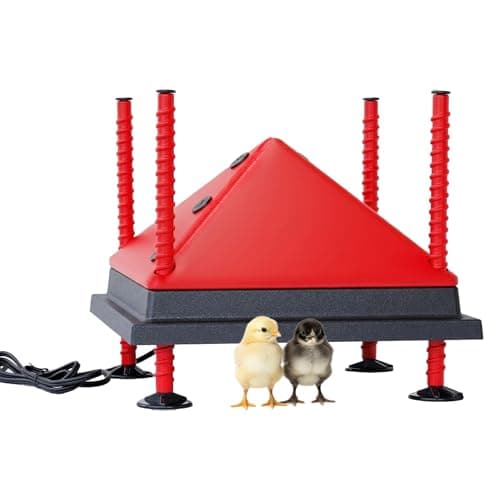
| Rank 1 | RentACoop 12x12in Adjustable Heating Plate with Anti-Roost Cone The safest brooder heat, with the roosting problem solved | Not published | 8.0 | $59.95on Amazon |
| Rank 2 | 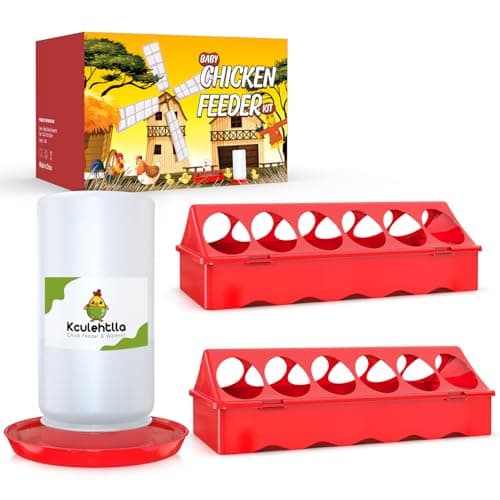 Chick Feeder and Waterer Kit, 0.3 Gallon The first fortnight in the brooder | Not published | 8.3 | $8.99on Amazon |
| Rank 3 | 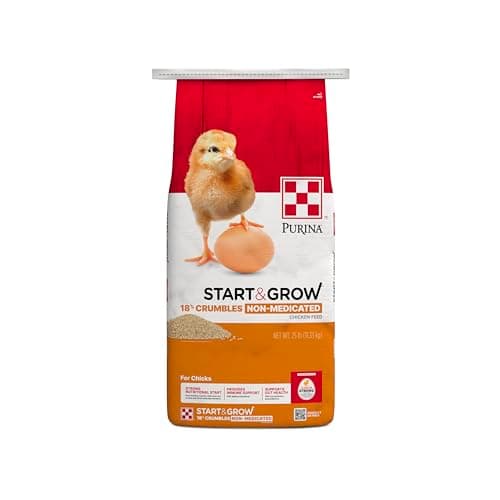 Purina Start & Grow Chick Crumbles, 25 lb (non-medicated) Feeding chicks from day one | Not published | 8.3 | $35.98on Amazon |
| Rank 4 | 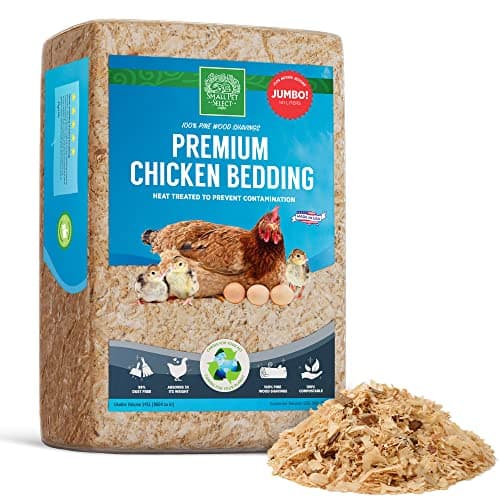 Small Pet Select Pine Shavings Chicken Bedding The default coop and nest-box bedding | Not published | 7.8 | $35.99on Amazon |
#ad Prices come from Amazon and change. How this site is funded. Scores are our own published rubric, not a lab test — see how we pick.
Chicks are straightforward if the five essentials are right from the first hour. Most problems in the first week trace back to one of them being wrong, so it is worth having all five ready before the chicks arrive rather than improvising on the day.
The five essentials
1. Heat they can move away from
A radiant heat plate at one end of the brooder, with a genuinely cooler end. Chicks regulate by moving in and out. A uniformly heated brooder removes that and is worse than one with a gradient. Extension's brooding guidance covers the temperature requirements.
2. Shallow water
A purpose-made chick waterer, not a dish. Chicks drown in surprisingly little water and a wet chick chills fast. Change it at least daily — they fill it with shavings and droppings within hours.
3. Chick starter feed
A complete starter crumble in a chick-height trough. Non-medicated if the chicks were vaccinated for coccidiosis, because medicated feed works against the vaccine; medicated if they were not. Check with whoever supplied them, and if in doubt ask before buying.
4. Absorbent bedding
Pine shavings. Not newspaper, which is slippery and causes splayed legs, and not cedar, whose aromatic oils irritate airways. Top up daily; a brooder gets filthy faster than you expect.
5. Space with a secure lid
A large plastic storage tub works perfectly. Solid sides block drafts. A secure mesh lid matters sooner than you think: chicks start fluttering out within a couple of weeks, and household pets are a real risk.
The shopping list
A heat plate, the chick feeder and waterer set, starter crumble, and the bedding. That is genuinely everything.
#1 · The safest brooder heat, with the roosting problem solved
#ad How we are funded · Price as of October 5, 2026
RentACoop 12x12in Adjustable Heating Plate with Anti-Roost Cone
RentACoopA 12 x 12 inch adjustable-height heat plate with a foldable anti-roost cone. The cone is why this one is worth the premium: without it, chicks roost on top and foul the plate within days.
| Plate size | 12 x 12 in |
|---|---|
| Height | Adjustable |
| Anti-roost | Foldable cone included |
| Type | Radiant brooder heating plate |
| Wattage | Not published by manufacturer |
Specifications per RentACoop published specifications, as published at the date above.
What it does well
- Mimics a broody hen: chicks go under for warmth and come out to eat, which is how they self-regulate
- Anti-roost cone stops the plate becoming a perch and a toilet
- Height adjusts as the chicks grow, which they do fast
- No bulb, no light, so chicks sleep on a normal day-night cycle
Where it falls short
- Wattage is not published
- Plates warm the chicks, not the room — a very cold garage still needs ambient heat
- More expensive than a clamp lamp and a bulb
Our rubric
- Fire safety
- 10.0
- Temperature control
- 8.0
- Heat output
- 7.0
- Running cost
- 9.0
- Value
- 6.0
#2 · The first fortnight in the brooder
#ad How we are funded · Price as of October 5, 2026
Chick Feeder and Waterer Kit, 0.3 Gallon
GenericA chick-height trough feeder and a 0.3 gallon waterer. Low, shallow and cheap, which is precisely right for day-old chicks that will otherwise stand in their water.
| Includes | Chick feeder trough and waterer |
|---|---|
| Waterer capacity | 0.3 gallon |
| Design | No-waste trough |
| For | Baby chicks |
Specifications per Manufacturer figures as published on the Amazon product listing, as published at the date above.
What it does well
- Shallow waterer is the right depth to stop chicks drowning or chilling themselves
- Chick-height trough stops them scratching feed across the brooder
- Cheap enough to replace rather than scrub when it gets filthy
Where it falls short
- 0.3 gallon needs refilling at least daily with a dozen chicks
- Outgrown within a few weeks
- Light plastic tips if chicks perch on the rim
Our rubric
- Fit for purpose
- 9.0
- Mess and waste
- 8.0
- Quality
- 7.0
- Value
- 9.0
#3 · Feeding chicks from day one
#ad How we are funded · Price as of October 5, 2026
Purina Start & Grow Chick Crumbles, 25 lb (non-medicated)
PurinaA nutritionally complete non-medicated starter crumble. Non-medicated is the right default if your chicks are vaccinated for coccidiosis — medicated feed works against that vaccine.
| Type | Chick starter crumbles, non-medicated |
|---|---|
| Weight | 25 lb |
| For | Chicks from hatch |
| Protein | Not published by manufacturer |
Specifications per Manufacturer figures as published on the Amazon product listing, as published at the date above.
What it does well
- Complete chick nutrition from day one — nothing to add but grit and clean water
- Non-medicated, which is what vaccinated chicks need
- 25 lb takes a dozen chicks most of the way to point of lay
Where it falls short
- Protein percentage is not stated on this listing
- Non-medicated offers no coccidiosis support if the chicks are unvaccinated — check before you buy
- Crumble is dusty in a brooder
Our rubric
- Fit for purpose
- 9.0
- Mess and waste
- 7.0
- Quality
- 9.0
- Value
- 8.0
#4 · The default coop and nest-box bedding
#ad How we are funded · Price as of October 5, 2026
Small Pet Select Pine Shavings Chicken Bedding
Small Pet SelectKiln-dried pine shavings in a bag sized for a coop rather than a hamster cage. Pine is the baseline bedding for a reason: absorbent, cheap, compostable, and it does not mat.
| Material | Pine wood shavings |
|---|---|
| Intended use | Coop floor and nest boxes |
| Volume | Not published by manufacturer |
| Dust level | Not published by manufacturer |
Specifications per Manufacturer figures as published on the Amazon product listing, as published at the date above.
What it does well
- Absorbent enough to run a deep-litter floor for weeks between full changes
- Composts down with the manure into usable garden material
- Shavings stay loose, so hens can scratch and dust-bathe in them
Where it falls short
- Dustier than hemp, which matters in a tight coop with poor ventilation
- Volume per bag is not published, so cost-per-liter is hard to compare
- Blows out of an open-sided run
Our rubric
- Fit for purpose
- 9.0
- Mess and waste
- 6.0
- Quality
- 8.0
- Value
- 8.0
Reading the chicks
| What you see | What it means | What to do |
|---|---|---|
| Huddled tight under the heat, loud cheeping | Too cold | Lower the plate or increase output |
| At the far walls, panting, wings held out | Too hot | Raise the plate or reduce output |
| Spread out, some under, some eating | Correct | Nothing |
| Crowded into one corner away from the heat | A draft | Find and block it |
| Pasted vent (droppings stuck to down) | Often too hot, or stress | Gently clean with warm water; check temperature |
Week by week
- Week 1. Highest heat requirement. Check feed, water and chicks several times a day. Watch for pasted vents.
- Weeks 2-3. Raise the plate as they grow. They will start flying — the lid becomes essential. Bedding needs changing more often.
- Weeks 4-5. Feathering out. Heat requirement dropping. They need noticeably more space; a tub that fit ten chicks does not fit ten four-week-olds.
- Week 6 onward. Most batches no longer need supplementary heat in mild weather, longer in cold. Start short supervised trips outside on warm days, then move to the coop.
What chicks also need, that is less obvious
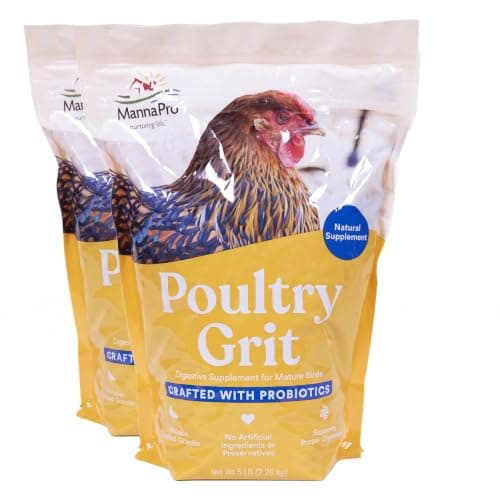
- Grit, if they get anything other than crumble. Chick grit is a finer grade. A chick eating grass or treats needs it to digest them.
- No oyster shell. Excess calcium burdens the kidneys of birds that are not laying. Grit and oyster shell explained.
- Something to perch on from about two weeks. A low dowel teaches roosting and keeps them off the floor.
- Non-slip footing for the first days, especially if they hatched onto a smooth surface.
- A plan for the cockerels. About half of any hatch. Decide before they arrive, not at week twelve.
Hygiene — this part is not optional
CDC's backyard poultry guidance applies to chicks in full, and chicks are the context where it matters most because people handle them more and keep them indoors:
- Wash hands with soap and running water after touching chicks, bedding or equipment.
- Do not keep poultry indoors, and especially not in areas where food is prepared. A brooder in a kitchen is specifically advised against.
- Clean all poultry equipment outdoors only, using diluted bleach or a commercial disinfectant.
- Children under five should not handle chicks, and all children should be supervised around them and during handwashing.
- Do not kiss or cuddle chicks. They are charming and this is exactly how Salmonella transmits.
Frequently asked questions
What do baby chicks need?
Medicated or non-medicated chick feed?
Can I use newspaper in a brooder?
How long do chicks need heat?
When can chicks go outside?
Are chicks safe for children to handle?
Sources
Read next
Hatching & Brooding
The best chick brooders
Brooder heat plates, boxed kits and the chick feeder and waterer that go in — with the DIY option that works just as well.
Hatching & Brooding
The best brooder heat plates
Heat plates ranked on published capacity, anti-roost design and height adjustment — the three things that differ.
Start Here
Chicken starter checklist
The full starter list, split into day-one essentials and things that can wait, with the sizing figures for each.
Feeders & Feed
Grit and oyster shell: what each one actually does
Grit versus oyster shell, properly explained: who needs which, when, and why they go in separate dishes.
Start Here
Backyard chickens and Salmonella
CDC's Salmonella guidance for backyard flocks, in plain language. No products, by policy.