Predator Protection
Predator proofing a chicken tractor
Everything that protects a fixed run is anchored to the ground. A tractor needs the same job done by things that travel.
Chickens & Coops earns a commission when you buy through our links, at no extra cost to you. Prices come from Amazon and change; the date beside every price is when we last verified it. Full disclosure.
Quick picks
| # | Product | Mesh | Score | Price |
|---|---|---|---|---|
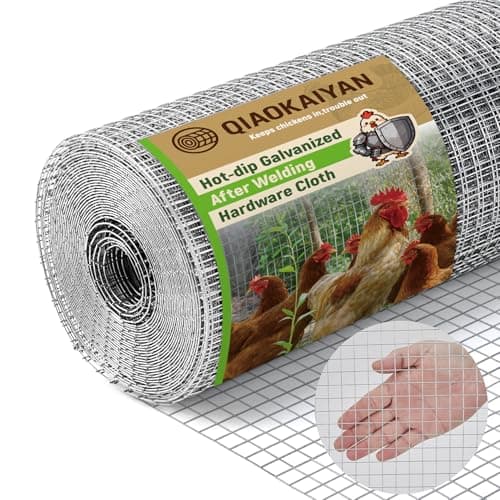
| Rank 1 | Hardware Cloth, 1/2in Mesh, 16in x 50ft, 19 Gauge A predator apron around an existing run | 1/2 in | 8.8 | $24.96on Amazon |
| Rank 2 | 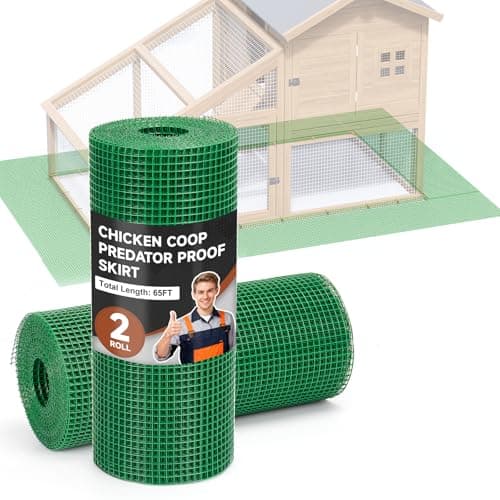 BJADE'S Chicken Coop Predator Proof Apron A ready-made dig barrier | Not published | 7.8 | $58.99on Amazon |
| Rank 3 | 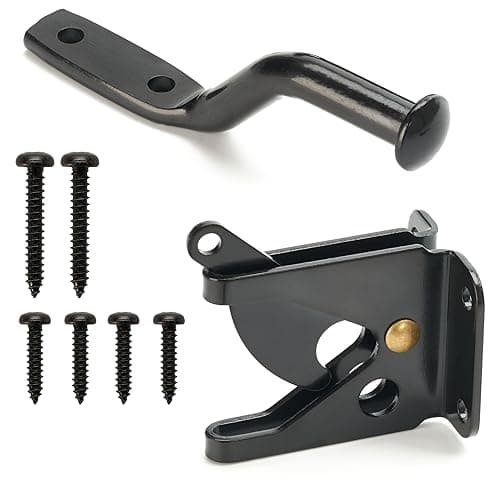 Self-Locking Gravity Gate Latch, Steel Replacing the hook-and-eye your coop came with | Not published | 8.6 | $8.99on Amazon |
| Rank 4 | 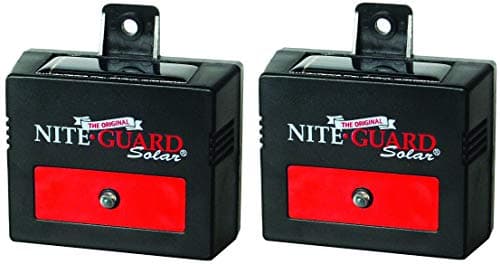 Nite Guard Solar Predator Control Light, 2-Pack A night deterrent with a long track record | Not published | 7.2 | $38.99on Amazon |
#ad Prices come from Amazon and change. How this site is funded. Scores are our own published rubric, not a lab test — see how we pick.
The three changes that matter are a hardware-cloth skirt that travels with the frame, half-inch mesh on everything within reach, and a two-step latch on the house door. A fixed run is protected at the ground by a predator apron that is buried or pinned down; a tractor cannot have one, so the skirt has to be attached to the structure and lie flat wherever the tractor stops.
This page exists because mobile coops are sold on the ground benefit — fresh grass, no bare mud — and almost never on how to secure them. The mitigations are real but they have to be fitted. A tractor straight out of the box, with hexagonal wire and a hook-and-eye catch, is the least secure housing on this site.
Where a tractor is actually attacked
Extension's predator guidance notes that chicken wire's openings let ground predators reach in, and that least weasels can get through quarter-inch holes. Both of those bite harder on a tractor than on a fixed run, for a simple reason: a tractor's walls come right down to the ground on all four sides, so the entire perimeter is a reachable seam at animal height.
| Attack | On a fixed run | On a tractor |
|---|---|---|
| Digging under the wall | Apron buried or pinned flat stops it | Nothing stops it unless a skirt travels with the frame |
| Reaching through the mesh | Hardware cloth to bird height | Same fix, and more of the perimeter is in reach |
| Levering the door | Two-step latch, mounted into solid timber | Same fix, but tractor frames are lighter |
| Lifting the whole structure | Not possible | Possible — a tractor is built to be light |
| From above | Covered run or netting | Usually covered already |
1. A skirt that travels
The job of an apron is to stop a digging animal at the perimeter: it hits mesh a foot out from the wall, and most predators do not then back off and start a new hole further away. On a tractor you achieve the same thing by attaching a strip of hardware cloth to the bottom rail so that it folds outward and lies flat on the ground wherever the tractor is parked.
- Use half-inch, 19-gauge hardware cloth, not chicken wire. A 16-inch-wide roll is the right width for this and needs no cutting down.
- Fasten it to the bottom rail along its full length with screws and washers, or fencing staples into solid timber. Zip ties fail in a year outdoors.
- Let it fold outward and lie flat, not downward into the soil — that is what makes it compatible with moving.
- Edge or fold the cut side. A raw cut edge of hardware cloth is sharp enough to injure a bird and will catch on grass every time you move the tractor.
- Check it after each move. A skirt riding up on uneven ground is a skirt doing nothing, and that is the one maintenance task this design adds.
2. Replace the mesh, or at least the reachable mesh
Most tractors ship with hexagonal chicken wire, which contains chickens and does not exclude predators. Replacing all of it is a weekend job on a small tractor and can be more than the coop is worth on a cheap one. The priority order if you are not doing all of it:
- The bottom 18 inches of every wall, which is where reach-through attacks happen.
- Anywhere the mesh meets a frame member, because that is where staples pull and gaps open.
- The house door and nest-box openings, where a gap is a direct route to a sleeping bird.
- The roof, last — hawks are a daytime risk and most tractors are covered or partly covered already.
Half-inch mesh is the specification. Chicken wire vs hardware cloth sets out why, with the gauge and coating detail that decides how long it lasts outdoors.
3. A latch a raccoon cannot solve
Raccoons open hook-and-eye catches and slide bolts routinely, and they have all night to work on one. The fix is a latch requiring two distinct actions — lift, then pull — or a spring-loaded bolt that holds itself shut under pressure. A self-locking gravity latch costs less than a bag of feed and is the highest-value change on this page relative to its price.
On a tractor there is one extra consideration: the frame is light, so the latch must be mounted into something solid. A good latch screwed into thin ply pulls out with the screws still in it. Predator-proof coop latches covers the hardware in detail.
What to fit
The mesh for the traveling skirt, the ready-made apron alternative, the latch, and solar deterrent lights for the perimeter.
#1 · A predator apron around an existing run
#ad How we are funded · Price as of October 10, 2026
Hardware Cloth, 1/2in Mesh, 16in x 50ft, 19 Gauge
GenericA narrow 16-inch roll of the same half-inch, 19-gauge hot-dipped mesh. Sixteen inches is exactly the width you want for a predator apron laid flat around the base of a run.
| Mesh | 1/2 in |
|---|---|
| Gauge | 19 |
| Size | 16 in x 50 ft |
| Coating | Hot-dipped galvanized |
Specifications per Manufacturer figures as published on the Amazon product listing, as published at the date above.
What it does well
- 16 in width is the right apron dimension — wide enough that a digging fox gives up
- Same half-inch, 19-gauge specification as the full-height rolls
- Cheap enough to apron a whole run without a second thought
- Narrow roll is far easier to handle alone than a 48 in one
Where it falls short
- Too short for run walls — this is an apron roll, not a fencing roll
- Still needs pinning down with landscape staples
- Sharp cut edges
Our rubric
- Predator resistance
- 9.0
- Install effort
- 6.0
- Durability
- 9.0
- Reliability
- 10.0
- Value
- 10.0
#2 · A ready-made dig barrier
#ad How we are funded · Price as of October 10, 2026
BJADE'S Chicken Coop Predator Proof Apron
BJADE'SA purpose-made apron skirt for the base of a coop or run. Buying it ready-made costs more than a roll of hardware cloth but removes the part people skip: cutting and edging the mesh.
| Type | Predator-proof apron / dig barrier |
|---|---|
| Use | Coop and run perimeter |
| Dimensions | Not published by manufacturer |
| Mesh gauge | Not published by manufacturer |
Specifications per Manufacturer figures as published on the Amazon product listing, as published at the date above.
What it does well
- Arrives as an apron, so there is no cutting, edging or measuring
- Digging is how foxes and dogs get into otherwise sound runs — an apron is the fix
- Faster to install than a hardware cloth roll
Where it falls short
- Neither dimensions nor gauge are published, which on a barrier product matters
- More expensive per foot than cutting your own from a roll
- Still needs staking down properly to work
Our rubric
- Predator resistance
- 8.0
- Install effort
- 9.0
- Durability
- 7.0
- Reliability
- 8.0
- Value
- 7.0
#3 · Replacing the hook-and-eye your coop came with
#ad How we are funded · Price as of October 10, 2026
Self-Locking Gravity Gate Latch, Steel
GenericA steel self-locking gravity latch. The two-step action is what matters: raccoons solve hooks and slide bolts, and a latch that must be lifted and then pulled is beyond most of them.
| Material | Steel |
|---|---|
| Action | Self-locking gravity lever |
| Finish | Black |
| Type | Fence and gate latch |
Specifications per Manufacturer figures as published on the Amazon product listing, as published at the date above.
What it does well
- Self-locking means it latches when the door swings shut, with nothing to remember
- A two-step action defeats the raccoons that routinely open hook-and-eye catches
- Steel, not the pot metal most coops ship with
- Costs less than a bag of feed and is the highest-value security upgrade available
Where it falls short
- A truly determined raccoon can still work a simple lever — add a carabiner for peace of mind
- Needs correct alignment or it will not drop into the catch
- Not weatherproof-rated; a drop of oil each season keeps it moving
Our rubric
- Predator resistance
- 8.0
- Install effort
- 9.0
- Durability
- 8.0
- Reliability
- 8.0
- Value
- 10.0
#4 · A night deterrent with a long track record
Nite Guard Solar Predator Control Light, 2-Pack
Nite GuardSolar flashing red lights that read as a predator's eyes to nocturnal animals. A deterrent, not a barrier: useful as a layer, never as the reason you leave the coop door open.
| Pack | 2 lights |
|---|---|
| Power | Solar |
| Type | Flashing red predator deterrent light |
| Target | Nocturnal predators |
Specifications per Manufacturer figures as published on the Amazon product listing, as published at the date above.
What it does well
- The longest-established product of its type, and the one most keepers reach for
- Solar, so install it and forget it
- A genuinely useful extra layer around a coop you already secured
Where it falls short
- A deterrent only — animals habituate to it, especially a hungry one
- No effect on daytime predators, which is when hawks hunt
- Two lights covers two approach directions; most sites need four
Our rubric
- Predator resistance
- 4.0
- Install effort
- 10.0
- Durability
- 8.0
- Reliability
- 6.0
- Value
- 8.0
What a tractor can never do
Three limits worth accepting rather than engineering around:
- It cannot be anchored. A structure built light enough to move is light enough for a determined large animal to shift. Pegging it down at each new position helps and partly defeats the point.
- It cannot be wired. No power means no automatic door and no heated water, so the nightly shut-up is a manual job you have to actually do. Solar covers lights, deterrent lights and some door openers — what solar can and cannot run at a coop is the honest list.
- The ground is never prepared. A fixed run can sit on a slab or a buried mesh base. A tractor sits on whatever grass it was dragged onto, including the molehill you did not see.
The nightly routine is the real defense
On a tractor, more than on any other housing, the behavior matters more than the hardware. UNH Extension's predator guidance and Extension's own article both come back to the same point: securing birds at night is the single most effective intervention, because the majority of losses happen in the dark.
- Shut and latch the house every night, without exception. A tractor's run is a daytime space; the house is the secure part.
- Count the birds when you shut up. It is the only way you find out about a problem on the night it starts.
- Walk the skirt when you move the tractor, not a week later.
- Use deterrent lights as a layer, not a barrier. Flashing solar lights are a useful addition at the perimeter and are never a reason to leave a door open.
If this sounds like a lot
It is a fair conclusion, and it is the reason this site's position on mobile coops is conditional. If predators in your area are limited to daytime hawks and the occasional loose dog, a tractor with a skirt, decent mesh and a real latch is perfectly sensible. If you have raccoons, foxes or weasels, a fixed coop with a buried apron is a genuinely more secure building and costs less to make safe.
Chicken coop vs chicken tractor works through that decision before you buy, and the mobile coop roundup ranks the tractors themselves.
Frequently asked questions
Can you predator proof a chicken tractor?
How do you stop predators digging under a chicken tractor?
Is chicken wire enough for a chicken tractor?
Do I need to lock a chicken tractor at night?
Are chicken tractors safe from raccoons?
Sources
Read next
Chicken Coops
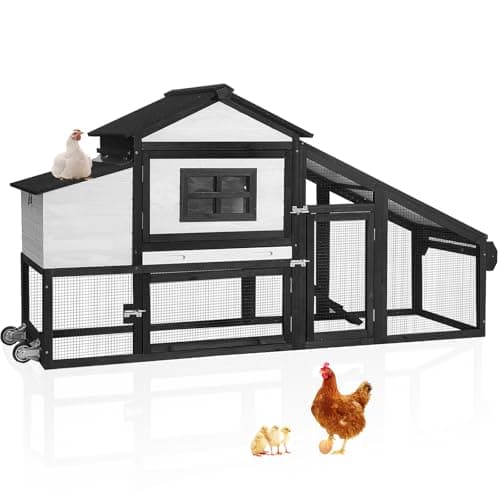
Chicken coop vs chicken tractor
The movable-versus-fixed decision worked through on ground damage, predator risk, weight and winter, with four tractors and the fixed-coop alternative.
Predator Protection
How to fit a predator apron
The flat-apron method step by step, why it beats burying mesh, and the mesh specification to buy.
Predator Protection
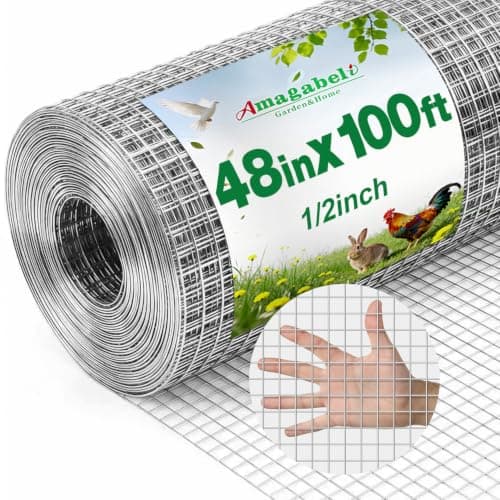
Chicken wire vs hardware cloth
The single most useful distinction in predator protection, with the gauges, the openings and where each belongs.
Predator Protection
Predator-proof coop latches
Why two distinct actions is the test a coop latch has to pass, the three latch types that hold, and how to mount one into a frame that will not give.
Chicken Coops
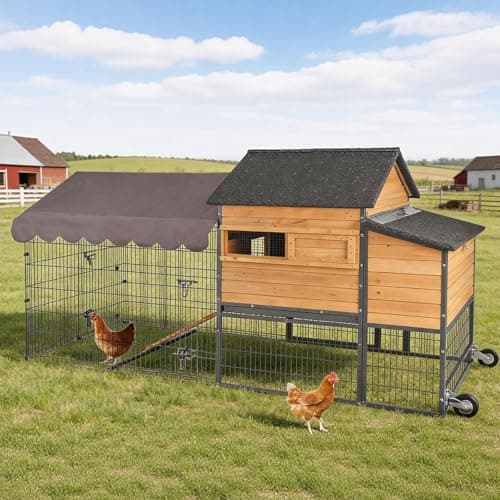
The best mobile chicken coops and chicken tractors
Wheeled coops and tractors, judged on whether they genuinely move and whether the ground recovers when they do.