Predator Protection
Predator-proof coop latches
The cheapest meaningful upgrade on a coop is the catch it came with, replaced.
Chickens & Coops earns a commission when you buy through our links, at no extra cost to you. Prices come from Amazon and change; the date beside every price is when we last verified it. Full disclosure.
Quick picks
| # | Product | Action | Score | Price |
|---|---|---|---|---|
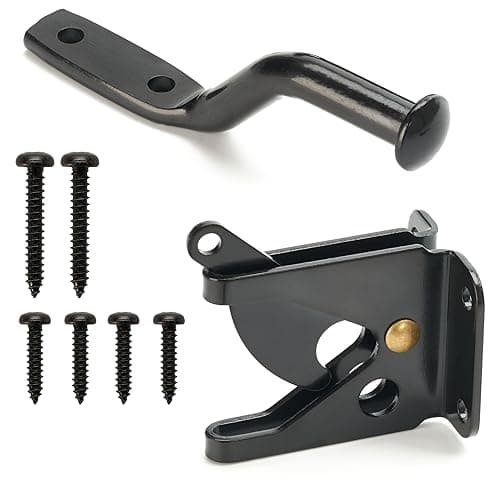
| Rank 1 | Self-Locking Gravity Gate Latch, Steel Replacing the hook-and-eye your coop came with | Self-locking gravity lever | 8.6 | $8.99on Amazon |
| Rank 2 | 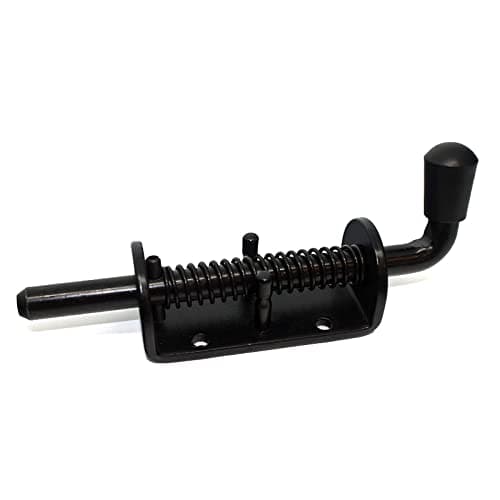 Heavy Duty Spring Latch Bolt, 1/2in Pin A spring-loaded bolt on a coop or shed door | Not published | 8.4 | $14.50on Amazon |
| Rank 3 | 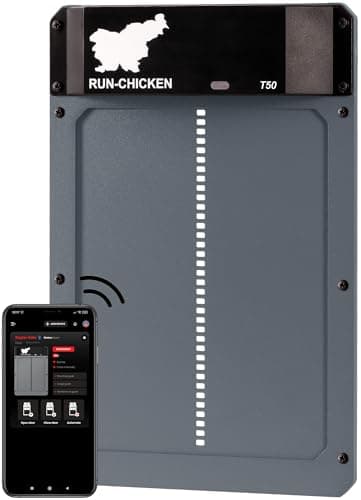 RUN-CHICKEN Door T50 Automatic Coop Door The automatic door that has earned its reputation | Not published | 8.2 | $129.99on Amazon |
#ad Prices come from Amazon and change. How this site is funded. Scores are our own published rubric, not a lab test — see how we pick.
A coop latch is predator-proof when opening it takes two distinct actions — lift then pull, or compress then slide — rather than one. A raccoon has hands, patience and the whole night, and single-action catches are within its ability. A self-locking gravity latch or a spring-loaded bolt costs less than a bag of feed and is the best value upgrade on this entire site.
Nearly every budget coop ships with a hook-and-eye catch or a simple barrel bolt, and both are there to stop the door blowing open rather than to stop an animal. That is not a scandal, it is a price point — but it does mean the latch is the first thing to change on a new coop, before the mesh and long before anything electrical.
Why raccoons specifically
Extension's predator guidance treats raccoons as one of the most capable backyard predators, and the reason is dexterity: they manipulate, they probe, and they return to a structure they have partly solved. Other predators test a coop and leave. A raccoon works the problem.
The practical consequence is that the latch is a puzzle, and the only question is how many steps the puzzle has. One step is solvable. Two sequential steps, in the right order, defeat most of them — and that is what the latch types below provide.
The latch types, from worst to best
| Latch | Actions to open | Holds against a raccoon? |
|---|---|---|
| Hook and eye | One — lift the hook | No |
| Simple barrel or slide bolt | One — slide it | No |
| Turn button or swivel catch | One — rotate it | No |
| Barrel bolt with a carabiner or pin through it | Two — remove the pin, then slide | Yes, if the pin is actually fitted every night |
| Spring latch bolt | Two — compress the spring, then slide | Yes |
| Self-locking gravity latch | Two — lift the lever, then pull | Yes |
| Automatic door | None for you; nothing to grip for the predator | Yes, and it closes itself |
The three that are worth fitting
Self-locking gravity latch
A steel lever that drops into a catch under its own weight, so the door is latched whether or not you thought about it, and opening needs a lift followed by a pull. It is the standard answer and the one to default to on any hinged coop or run door. Mount it on the outside with the lever facing where you stand.
Spring latch bolt
A bolt held closed by a spring, so it resists being slid open by pressure on the door — which is exactly how a raccoon attacks a barrel bolt. A half-inch pin is a substantial piece of steel and suits a nest-box lid or a house door that has to stay shut under a lean.
An automatic door
The best answer to the whole problem, if you will spend the money, because it removes the human failure mode: the door that did not get latched because you were out late. A good automatic door is also solid, with nothing a predator can get a grip on. The specification that matters is the material — aluminum rather than plastic, because a raccoon can work at a plastic door for hours and has all night. Automatic coop doors ranks the category, and autodoor vs manual door is the honest comparison, including the failure modes.
What to fit
The gravity latch to default to, the spring bolt for a lid or a door under pressure, and the automatic door that removes the nightly job.
#1 · Replacing the hook-and-eye your coop came with
#ad How we are funded · Price as of October 10, 2026
Self-Locking Gravity Gate Latch, Steel
GenericA steel self-locking gravity latch. The two-step action is what matters: raccoons solve hooks and slide bolts, and a latch that must be lifted and then pulled is beyond most of them.
| Material | Steel |
|---|---|
| Action | Self-locking gravity lever |
| Finish | Black |
| Type | Fence and gate latch |
Specifications per Manufacturer figures as published on the Amazon product listing, as published at the date above.
What it does well
- Self-locking means it latches when the door swings shut, with nothing to remember
- A two-step action defeats the raccoons that routinely open hook-and-eye catches
- Steel, not the pot metal most coops ship with
- Costs less than a bag of feed and is the highest-value security upgrade available
Where it falls short
- A truly determined raccoon can still work a simple lever — add a carabiner for peace of mind
- Needs correct alignment or it will not drop into the catch
- Not weatherproof-rated; a drop of oil each season keeps it moving
Our rubric
- Predator resistance
- 8.0
- Install effort
- 9.0
- Durability
- 8.0
- Reliability
- 8.0
- Value
- 10.0
#2 · A spring-loaded bolt on a coop or shed door
#ad How we are funded · Price as of October 10, 2026
Heavy Duty Spring Latch Bolt, 1/2in Pin
GenericA half-inch spring latch bolt. A spring bolt holds itself shut under pressure, which an ordinary barrel bolt does not when a raccoon leans on the door.
| Pin diameter | 1/2 in |
|---|---|
| Type | Spring latch bolt |
| Finish | Black powder coat |
| For | Shed, barn, chicken coop |
Specifications per Manufacturer figures as published on the Amazon product listing, as published at the date above.
What it does well
- Half-inch steel pin will not bend under an animal's weight
- Spring loading keeps it engaged rather than rattling loose
- Powder coat survives outdoors without seizing
Where it falls short
- A single bolt is one action to defeat — pair it with a second latch on a predator-heavy site
- Needs accurate drilling to line up
- No padlock hasp built in
Our rubric
- Predator resistance
- 8.0
- Install effort
- 7.0
- Durability
- 9.0
- Reliability
- 8.0
- Value
- 10.0
#3 · The automatic door that has earned its reputation
#ad How we are funded · Price as of October 10, 2026
RUN-CHICKEN Door T50 Automatic Coop Door
RUN-CHICKENA battery-powered weatherproof aluminum door with app and timer control. Aluminum rather than plastic is the specification that matters: a raccoon can work at a plastic door for hours, and it has all night.
| Material | Weatherproof aluminum |
|---|---|
| Power | Battery powered |
| Control | Smart app and timer |
| Type | Automatic coop door opener |
Specifications per Manufacturer figures as published on the Amazon product listing, as published at the date above.
What it does well
- Aluminum construction — the single best indicator that a door will survive a determined raccoon
- Battery powered, so no mains run to the coop
- App plus timer means you can shift closing time with the seasons from indoors
- Shutting the door at dusk is the most effective predator control there is
Where it falls short
- The most expensive door here
- Battery-powered doors need a battery check before every winter
- An automatic door can shut a late bird out — always check the flock is in
Our rubric
- Predator resistance
- 9.0
- Install effort
- 8.0
- Durability
- 9.0
- Reliability
- 9.0
- Value
- 6.0
Mounting matters as much as the latch
A good latch screwed into thin ply pulls out with the screws still in it, and that is a surprisingly common failure on budget coops. Four rules:
- Fix into solid timber, not panel ply or a thin frame member. If there is nothing solid behind the latch position, add a block.
- Use screws long enough to bite, and bolt it through with washers where you can. A through-bolt cannot be withdrawn the way a screw can.
- Mount the latch outside and the hinges so the door closes against a frame rather than into a rebate a predator can lever.
- Check the door fits. A latch does nothing about a half-inch gap along the hinge side, and a half-inch gap is enough for a reaching paw.
Every opening, not just the main door
- The house door. Gravity latch, into solid timber.
- The nest-box lid. Spring bolt or gravity latch, as above.
- The clean-out hatch or droppings-tray door. Almost always a turn button from the factory; almost always overlooked.
- The run gate. Gravity latch. It is a daytime barrier, but a gate left swinging gives a predator the run of the enclosure.
- Pop-hole doors on a slide. A slide that drops under its own weight is fine; one held up by friction is not. Fit a pin through it, or an automatic door.
What a latch does not do
The latch secures the door. It does nothing about the two things that let a predator in without using one: mesh that can be reached through or torn, and the ground. Those are the other two legs of the same job — chicken wire vs hardware cloth covers the mesh specification, and the predator apron guide covers digging. A coop with a brilliant latch, hexagonal wire and no apron is not a secure coop.
And the behavior still matters most. Keeping raccoons out and top chicken predators both land on the same point: the single most effective intervention is shutting the birds in at night, every night, and counting them while you do it.
Frequently asked questions
What kind of latch is raccoon proof?
Can raccoons open a chicken coop latch?
Do I need a padlock on my chicken coop?
Where should I put latches on a chicken coop?
Is an automatic coop door more secure than a latch?
Sources
Read next
Predator Protection
How to keep raccoons out of a chicken coop
Five changes that stop raccoons, in order of effect, plus why the feed store is part of the problem.
Predator Protection
The best automatic chicken coop doors
Automatic coop doors ranked on material and power source, with the one honest caution about shutting a bird out.
Predator Protection
Chicken wire vs hardware cloth
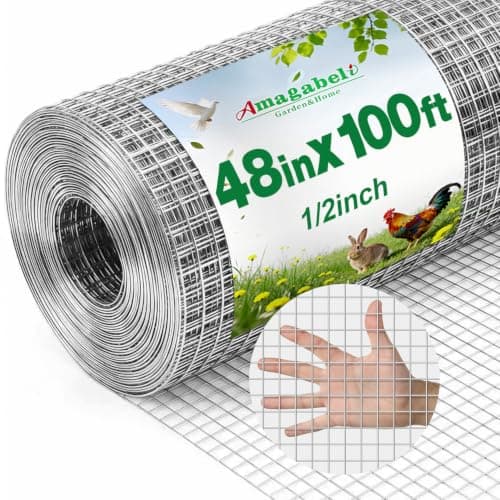
The single most useful distinction in predator protection, with the gauges, the openings and where each belongs.
Predator Protection
How to fit a predator apron
The flat-apron method step by step, why it beats burying mesh, and the mesh specification to buy.
Predator Protection
The main chicken predators, and what stops each one
An identification guide: what each predator does, how to tell which one visited, and the one measure that stops it.