Chicken Coops
How to make a chicken dust bath
Dry dirt in a container the hens can get into. The ingredient lists you find online are mostly optional, and one popular addition needs care.
Chickens & Coops earns a commission when you buy through our links, at no extra cost to you. Prices come from Amazon and change; the date beside every price is when we last verified it. Full disclosure.
Top pick
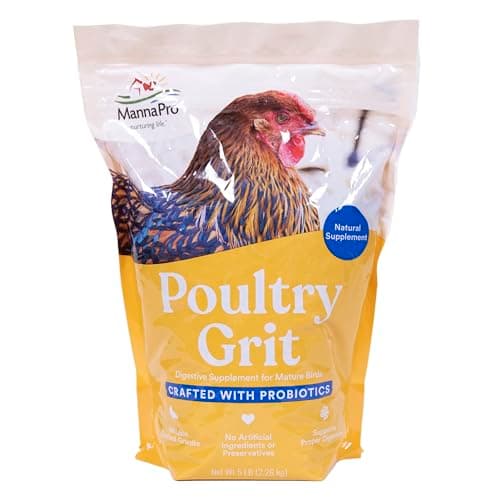
Manna Pro Chicken Grit with Probiotics, 5 lb
Insoluble crushed granite — the grinding stone a hen's gizzard needs to process grass, scratch and kitchen scraps.
#ad How we are funded · Price as of November 8, 2026
Quick picks
| # | Product | Type | Score | Price |
|---|---|---|---|---|
| Rank 1 | Manna Pro Chicken Grit with Probiotics, 5 lb Insoluble grit for hens eating anything but pellets | Insoluble crushed granite grit | 9.8 | $9.99Manna Pro, 5 lb |
| Rank 2 | 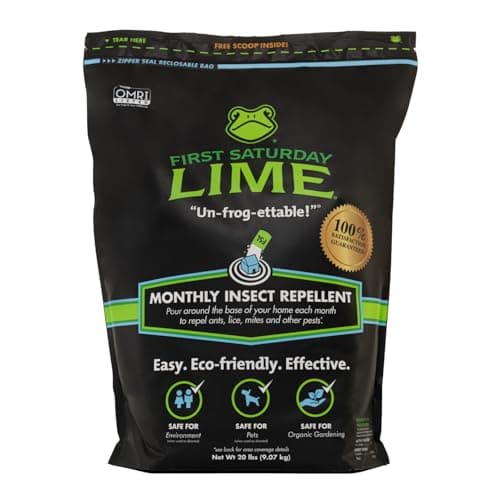 First Saturday Lime Insect Deterrent, 20 lb Mites and lice in the coop, not odor | Not published | 9.1 | $41.99First, 20 lb |
| Rank 3 | 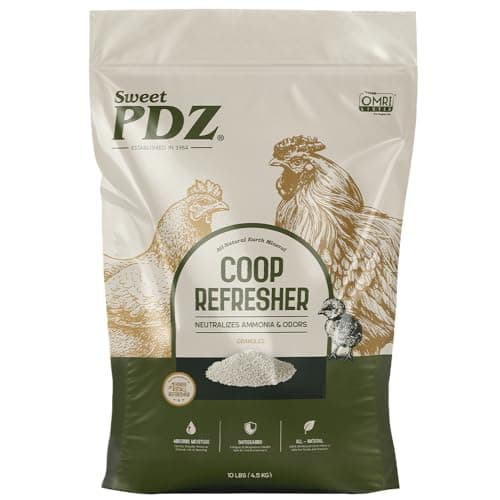 Sweet PDZ Coop Refresher, 10 lb Ammonia under the roosts | Not published | 9.7 | $24.95Sweet PDZ, 10 lb |
| Rank 4 | 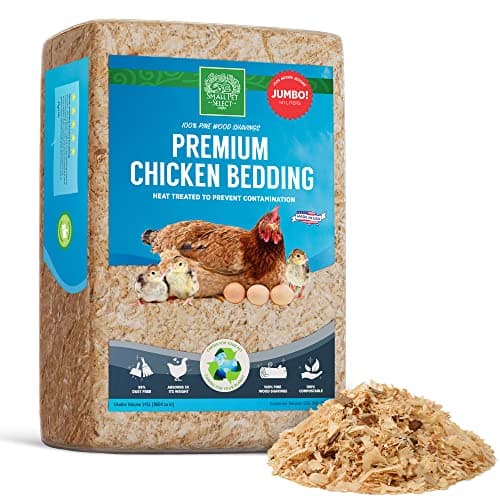 Small Pet Select Pine Shavings Chicken Bedding The default coop and nest-box bedding | Not published | 9.2 | $35.99Small Pet Select |
#ad Prices come from Amazon and change. How this site is funded. Scores are our own published rubric, not a lab test — see how we pick.
A chicken dust bath is a container of dry, loose, fine material the birds can throw through their feathers — and the only ingredient it genuinely needs is dry dirt. A shallow tub, some sifted topsoil or coarse sand, and a spot that stays dry: the flock will do the rest within an hour of finding it. Everything beyond that is optional, and some of it is oversold.
Dust bathing is not a chicken being eccentric. It is how a bird manages the oil in her feathers and makes life difficult for the lice and mites that live on her skin. A hen with no dry place to do it has one of her two natural parasite defenses removed, which is why this is worth twenty minutes and almost no money.
What the behavior actually does
The bird scrapes a hollow, settles into it, works loose material down to skin level with her wings and feet, then shakes it all out. The dust absorbs excess preen oil and physically disrupts external parasites. Extension's guidance on external parasites of poultry is the reference worth reading on what those parasites are and how they behave, because the species matter: some live on the bird full time, and some live in the coop and only visit at night to feed.
That distinction is the most useful thing on this page. A dust bath is a maintenance habit that keeps a healthy flock healthy. It is not a treatment for an established infestation, and treating it as one is how people lose a month before dealing with the problem properly. If birds are losing feathers around the vent, if combs look pale, or if you see movement on the skin after dark, go to chicken mites treatment first and come back to this page afterwards.
What to put in it
The base: dry, fine, loose material
Sifted garden soil, coarse sand, or roughly equal parts of both. Soil alone cakes when damp; sand alone is less effective at absorbing feather oil. The mix is more forgiving than either. Avoid anything with large stones in it, and avoid fine bark mulch, which goes slimy rather than dusty.
Wood ash, if you have it
Cold ash from an untreated-wood fire is the traditional addition, and it works as a fine, dry, absorbent powder. Two cautions, both real: it must be completely cold, and it must come from untreated wood only — never painted, treated or manufactured board, and never charcoal briquettes that have had lighter fluid on them. Keep ash to roughly a fifth of the mix; much more and the bath becomes a strongly alkaline powder.
Insoluble grit
Crushed granite grit adds a coarse, free-draining fraction that stops the mix packing down. It is also the thing hens will eat out of the bath, which is harmless and in fact useful — grit and oyster shell explains why a hen eating anything other than complete pellets needs insoluble grit anyway.
Dried herbs
Pleasant for the person refilling the bath. There is no reliable evidence that bath or nest herbs do anything medicinal, and this site will not pretend otherwise. If you like the smell, add them; do not count them as parasite control.
Diatomaceous earth: the careful one
DE is the most-recommended dust bath additive online and the one that needs the most care. It is a fine silica powder, and fine silica powder is an airway irritant for the birds and for you. If you use it, use a food-grade product, keep it to a small fraction of the mix, add it with the hens out of the way, and wear a mask. A coop-safe lime-based insect deterrent applied to the coop itself is usually the better-targeted purchase, because the coop is where the parasites you most want to kill actually live.
What is worth buying
Three additives with clearly different jobs, plus the bedding that should stay in the coop rather than going in the bath.
#1 · Insoluble grit for hens eating anything but pellets
#ad How we are funded · Price as of November 8, 2026
Manna Pro Chicken Grit with Probiotics, 5 lb
Manna ProInsoluble crushed granite — the grinding stone a hen's gizzard needs to process grass, scratch and kitchen scraps. It is not a calcium supplement and does not replace oyster shell.
| Type | Insoluble crushed granite grit |
|---|---|
| Weight | 5 lb |
| Added | Probiotics |
| Function | Gizzard grinding material |
Specifications per Manufacturer figures as published on the Amazon product listing, as published at the date above.
Why we picked it
- States 'insoluble crushed granite', which is exactly what grit should be
- 5 lb lasts a small flock a very long time — it is offered free-choice, not mixed in
- Essential the moment hens eat anything other than a complete pellet
Good to know — Routinely confused with oyster shell; they do different jobs and you need both
Our rubric
- Fit for purpose
- 10.0
- Mess and waste
- 9.8
- Quality
- 9.8
- Value
- 9.3
#2 · Mites and lice in the coop, not odor
#ad How we are funded · Price as of November 8, 2026
First Saturday Lime Insect Deterrent, 20 lb
First Saturday LimeA coop-safe lime-based insect deterrent. It is not hydrated lime and it is not an odor absorber — it is for the mite and lice problem, which is a different job from the ammonia one.
| Weight | 20 lb |
|---|---|
| Function | Insect deterrent |
| Use | Outdoor and coop areas |
| Active ingredient detail | Not published by manufacturer |
Specifications per Manufacturer figures as published on the Amazon product listing, as published at the date above.
Why we picked it
- Targets the mite and lice problem that bedding changes alone do not solve
- Safe around birds, unlike caustic hydrated lime, which should never go in a coop
- A 20 lb bag treats a backyard coop many times over
Good to know — Does nothing for ammonia — pair it with zeolite rather than substituting it
Our rubric
- Fit for purpose
- 9.3
- Mess and waste
- 8.4
- Quality
- 9.3
- Value
- 9.3
#3 · Ammonia under the roosts
#ad How we are funded · Price as of November 8, 2026
Sweet PDZ Coop Refresher, 10 lb
Sweet PDZGranular zeolite that binds ammonia rather than masking it. Dusted on the poop board under the roosts it is the most effective single thing you can do about coop smell.
| Active material | Zeolite |
|---|---|
| Weight | 10 lb |
| Function | Ammonia and odor absorption |
| Scent added | None |
Specifications per Manufacturer figures as published on the Amazon product listing, as published at the date above.
Why we picked it
- Chemically binds ammonia instead of covering it with fragrance
- No added scent, which matters because fragrance oils irritate bird airways
- A thin layer on the poop board is all it takes — a 10 lb bag lasts a small flock months
- Safe to compost with the litter
Good to know — It is a granular mineral: it will not fix a coop that is genuinely under-ventilated
Our rubric
- Fit for purpose
- 10.0
- Mess and waste
- 8.9
- Quality
- 9.8
- Value
- 9.8
#4 · The default coop and nest-box bedding
#ad How we are funded · Price as of November 8, 2026
Small Pet Select Pine Shavings Chicken Bedding
Small Pet SelectKiln-dried pine shavings in a bag sized for a coop rather than a hamster cage. Pine is the baseline bedding for a reason: absorbent, cheap, compostable, and it does not mat.
| Material | Pine wood shavings |
|---|---|
| Intended use | Coop floor and nest boxes |
| Volume | Not published by manufacturer |
| Dust level | Not published by manufacturer |
Specifications per Manufacturer figures as published on the Amazon product listing, as published at the date above.
Why we picked it
- Absorbent enough to run a deep-litter floor for weeks between full changes
- Composts down with the manure into usable garden material
- Shavings stay loose, so hens can scratch and dust-bathe in them
Good to know — Dustier than hemp, which matters in a tight coop with poor ventilation
Our rubric
- Fit for purpose
- 9.8
- Mess and waste
- 8.4
- Quality
- 9.3
- Value
- 9.3
The container, and where it goes
- Shallow and wide beats deep and narrow. A hen wants to sit in it with room to flap. A large plant saucer, a tire, a mortar tub or a storage box with one side cut down all work. Two feet across and six to eight inches deep is plenty for two or three birds at once.
- It has to stay dry. A wet dust bath is a mud bath. Under the coop, under a covered run section, or inside an open-fronted shelter. If the only spot is in the open, put a lid on it overnight and when it rains.
- Site it away from feed and water. Dust bathing throws material several feet. Powder in the waterer is a real nuisance, and birds drink less of fouled water.
- One bath per six or so hens. Dust bathing is social and they will share, but a single small tub for a dozen birds means the hens at the bottom of the pecking order rarely get in.
- Top it up rather than replacing it. Rake it over every few weeks, add material when it gets low, and empty it completely only if it gets wet or soiled.
Winter
This is when a dust bath goes from nice to genuinely valuable, because the whole yard is wet and there is nowhere dry for a bird to use. A covered bath that stays dry through February is one of the cheapest welfare upgrades in the coop, and it sits naturally alongside the rest of winterizing a chicken coop. Keep it under cover, keep it topped up, and expect it to be busy.
How to tell it is working
Birds using it daily, hollows worn into the material, and clean, well-conditioned feathers with no bare patches around the vent or under the wings. If birds ignore a new bath for a day or two, scatter a handful of scratch in it — that is usually all it takes for one hen to start digging and the rest to follow.
Frequently asked questions
What do you put in a chicken dust bath?
Do chickens need a dust bath?
Does a dust bath get rid of mites?
Is diatomaceous earth safe in a chicken dust bath?
Can I use fireplace ash in a dust bath?
Where should a chicken dust bath go?
Our recommendation
If you buy one thing from this page, buy the first one. The second is here because it is the alternative worth weighing against it, not because a list needs two entries.
Top pick
Manna Pro Chicken Grit with Probiotics, 5 lb
Insoluble grit for hens eating anything but pellets
#ad How we are funded · Price as of November 8, 2026
Runner-up
First Saturday Lime Insect Deterrent, 20 lb
Mites and lice in the coop, not odor
#ad How we are funded · Price as of November 8, 2026
Sources
Read next
Chicken Coops
Chicken mites: how to find them and get rid of them
Mites versus lice, where to look on the bird and in the coop, the re-treatment interval from Extension, and the clean-out that stops them coming back.
Chicken Coops
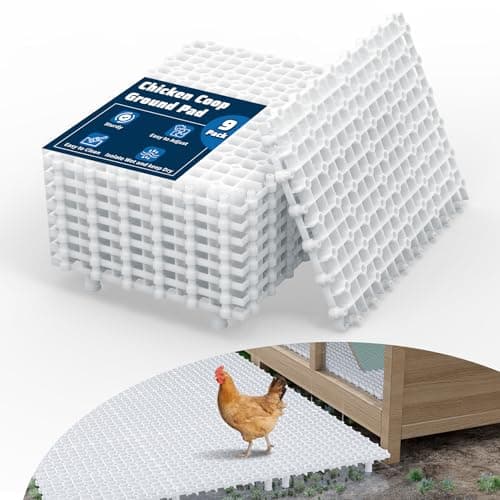
Chicken run flooring: what to put on the ground
Every common run floor material compared on drainage, cost, mud behavior and how often it needs replacing — plus the grading work that decides whether any of them work.
Chicken Coops
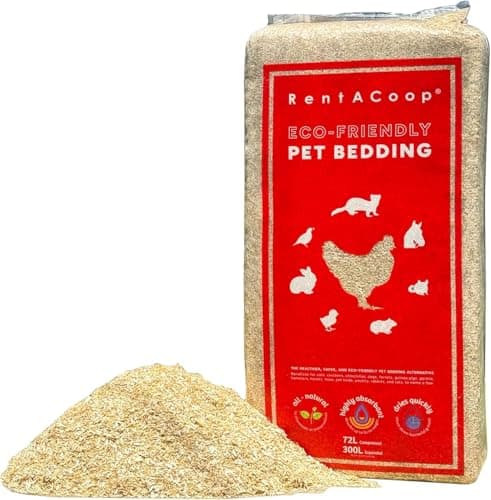
The best chicken coop bedding
Pine, hemp and the ammonia binder that makes either work. Ranked on absorbency and dust, not bag price.
Chicken Coops
Chicken coop ventilation, done right
The single most misunderstood part of coop design: why you ventilate in winter, and where the vents actually go.
Feeders & Feed
Grit and oyster shell: what each one actually does
Grit versus oyster shell, properly explained: who needs which, when, and why they go in separate dishes.