Start Here
Backyard chickens and bird flu
Biosecurity is the whole answer, and it is mostly about keeping wild birds away from your flock's feed and water.
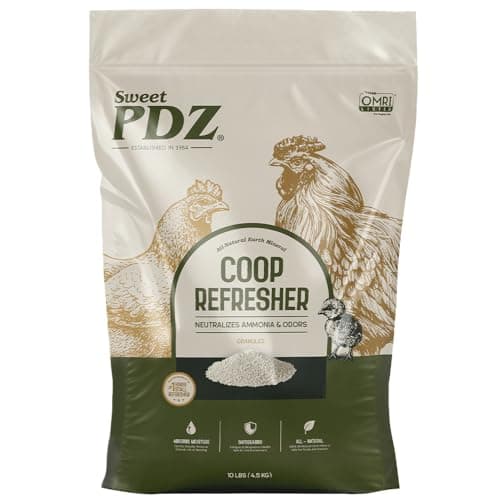
Highly pathogenic avian influenza is the disease risk that most worries backyard keepers, and the practical response is entirely about biosecurity — reducing the chance that the virus reaches your birds in the first place. USDA APHIS runs the Defend the Flock program for exactly this purpose, and it is the authoritative free resource.
How disease reaches a flock
USDA's guidance is specific about the routes: avian diseases spread through contact with infected birds, contaminated equipment, clothing, vehicles, feed or water, and wild birds can introduce disease to domestic flocks. Everything below follows from that list.
The biosecurity measures that matter
1. Keep wild birds away from feed and water
This is the single most important measure for a backyard flock, because wild birds — particularly waterfowl — are the reservoir. Practically:
- Feed under cover, and ideally in a closed feeder that wild birds cannot use. A treadle feeder excludes them completely, which is a biosecurity benefit as well as a feed-cost one.
- Water under cover, and not in an open container wild birds can land in or foul.
- Clear spilled feed daily. Scattered grain is what draws wild birds in.
- Remove standing water near the run where wild waterfowl might stop.
- Cover the run if wild bird traffic is heavy. It helps with hawks too.
2. Control what comes onto the property
- Dedicated footwear for the coop, left outdoors. The same boots that protect you from Salmonella also keep what is on the ground outside from arriving in the run.
- Clean and disinfect equipment before it goes near your birds, especially anything borrowed or bought second-hand.
- Limit visitors to the coop area, especially anyone who keeps poultry themselves.
- Wash your hands before and after handling birds — before matters here, not just after.
3. Quarantine new birds
Any new bird should be kept separate from the existing flock for two to four weeks, with separate equipment, and attended to after your main flock rather than before. This is the standard measure and it is the one most often skipped when someone is given a couple of hens.
4. Know what sick looks like
Watch for sudden deaths, a sharp drop in feed or water consumption, a sudden drop in laying, swelling of the head, comb or wattles, discoloration, nasal discharge, coughing or sneezing, lack of coordination, or diarrhoea. Any sudden unexplained deaths in a flock warrant a call to the number above.
5. Report, do not wait
USDA's two headline actions are to learn the biosecurity basics and to report sick birds immediately. 1-866-536-7593, or your State veterinarian.
What to do during a local outbreak
When avian influenza is reported in your area, the measures above get tightened rather than replaced:
- Keep birds under cover if you can, to prevent contact with wild birds.
- Move feed and water fully under cover, with nothing accessible to wild birds.
- Stop all visitors to the coop area.
- Stop moving birds on or off the property, including to shows or swaps.
- Increase cleaning and disinfection of footwear and equipment.
- Follow your state's official guidance, which may include specific requirements.
Human health
Human infections with avian influenza are uncommon and are generally associated with close contact with infected birds. The practical measures are the ones already listed — handwashing, dedicated footwear, not handling sick or dead birds without protection, and reporting sick birds promptly. For questions about human health specifically, the right sources are CDC and your clinician.
Keeping perspective
Biosecurity is a routine, not an emergency. Dedicated boots by the door, feed and water under cover in a closed feeder, spilled feed cleared, new birds quarantined, and a willingness to pick up the phone if something looks wrong — that is most of it, and it is a set of habits rather than a project. The same habits also reduce Salmonella risk and discourage rodents, so none of the effort is single-purpose.
Frequently asked questions
How do I protect my chickens from bird flu?
How does bird flu reach a backyard flock?
What are the signs of bird flu in chickens?
Who do I call about sick chickens?
Should I stop keeping chickens during an outbreak?
Sources
Read next
Start Here
Backyard chickens and Salmonella
CDC's Salmonella guidance for backyard flocks, in plain language. No products, by policy.
Chicken Coops
How to clean a chicken coop
The daily, weekly and twice-yearly routine, the products that help, and the hygiene rules CDC publishes for handling poultry.
Waterers
How to keep chicken water clean
The three causes of dirty chicken water and what actually fixes each — including the one you cannot buy your way out of.
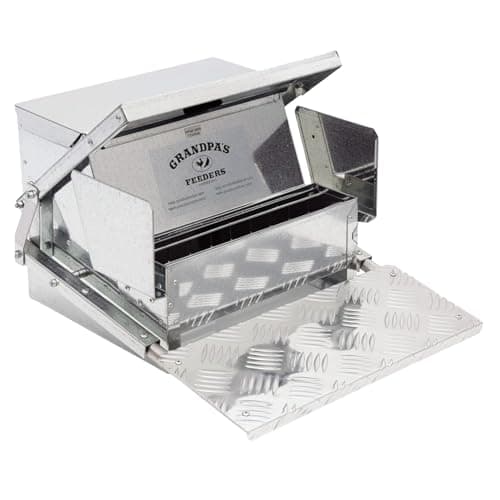
Feeders & Feed
How to keep rats out of chicken feed
Five changes in order of effectiveness, why poison is the wrong first move, and the feeders that end the problem.
About
Editorial policy
How we source facts, handle corrections, and keep health content away from product links.