Chicken Coops
How to clean a chicken coop
Thirty seconds a day beats two hours a month. Here is the routine that keeps a coop genuinely clean.
Chickens & Coops earns a commission when you buy through our links, at no extra cost to you. Prices come from Amazon and change; the date beside every price is when we last verified it. Full disclosure.
Quick picks
| # | Product | Function | Score | Price |
|---|---|---|---|---|
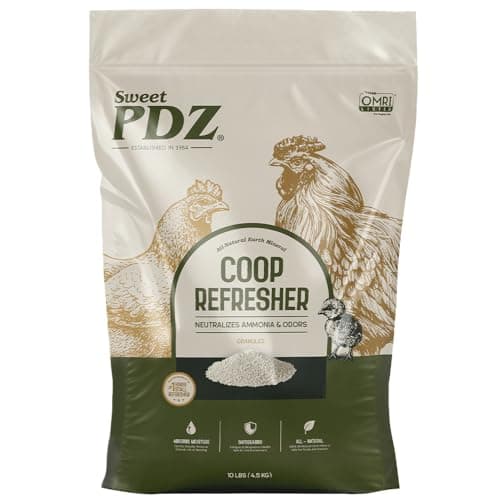
| Rank 1 | Sweet PDZ Coop Refresher, 10 lb Ammonia under the roosts | Ammonia and odor absorption | 8.8 | $24.95on Amazon |
| Rank 2 | 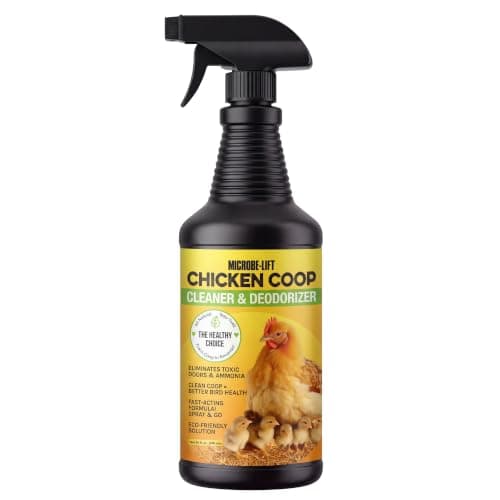 MICROBE-LIFT Chicken Coop Cleaner and Odor Eliminator The annual deep clean | Not published | 7.5 | $29.47on Amazon |
| Rank 3 | 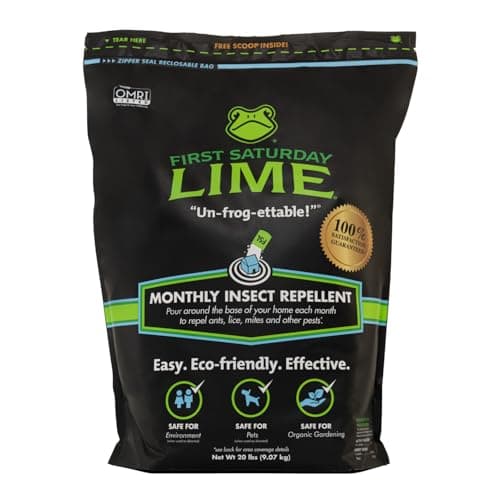 First Saturday Lime Insect Deterrent, 20 lb Mites and lice in the coop, not odor | Insect deterrent | 7.5 | $41.99on Amazon |
| Rank 4 | 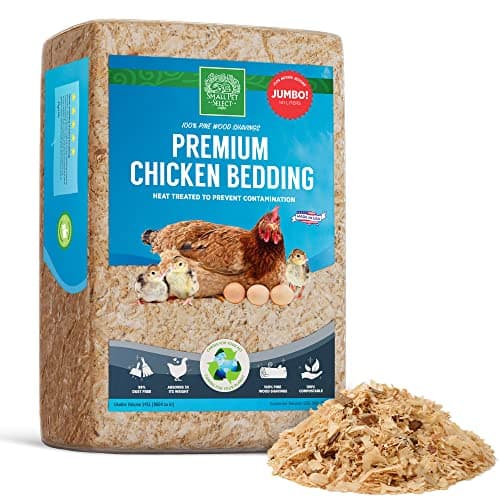 Small Pet Select Pine Shavings Chicken Bedding The default coop and nest-box bedding | Not published | 7.8 | $35.99on Amazon |
#ad Prices come from Amazon and change. How this site is funded. Scores are our own published rubric, not a lab test — see how we pick.
Coop cleaning has a reputation as a grim monthly ordeal. It does not have to be, and the keepers who find it easy are all doing the same thing: a very small amount every day, so the big job never builds up.
Daily — thirty seconds
- Scrape the droppings board under the roosts into a bucket. This is where most of the mess and nearly all of the ammonia is.
- Check the water. Tip, rinse, refill if it has anything in it.
- Collect eggs. Dirty nests start with eggs left sitting.
Weekly — ten minutes
- Turn or top up the litter. If you are running deep litter, add a scoop of fresh bedding and let the birds mix it.
- Change any soiled nest box material. A fouled nest is how eggs get dirty and how hens learn to lay on the floor.
- Scrub the feeder and waterer with hot water and a brush. Biofilm in a waterer is invisible and it is the single most overlooked hygiene failure in backyard flocks.
- Dust the droppings board with zeolite. A thin layer binds ammonia rather than masking it.
- Look at the birds. Vent, feet, comb, breathing. A weekly habit catches problems while they are still small.
Twice a year — a morning
- Strip everything out. Litter, nest material, droppings board, removable floor.
- Dry-brush first. Get the loose material off before any water goes in, or you make mud.
- Wash down with a dedicated coop cleaner or a dilute bleach solution. CDC's guidance is to clean poultry equipment outdoors, never in the kitchen or a utility sink.
- Pay attention to seams and perch ends. That is where red mite lives, and where a spray does the most good.
- Dry completely before anything goes back. A damp coop is a worse coop than a dusty one.
- Treat for mites if needed, then fresh bedding and back in.
What actually helps
An ammonia binder, a surface cleaner, a mite deterrent, and good bedding.
#1 · Ammonia under the roosts
#ad How we are funded · Price as of October 5, 2026
Sweet PDZ Coop Refresher, 10 lb
Sweet PDZGranular zeolite that binds ammonia rather than masking it. Dusted on the poop board under the roosts it is the most effective single thing you can do about coop smell.
| Active material | Zeolite |
|---|---|
| Weight | 10 lb |
| Function | Ammonia and odor absorption |
| Scent added | None |
Specifications per Manufacturer figures as published on the Amazon product listing, as published at the date above.
What it does well
- Chemically binds ammonia instead of covering it with fragrance
- No added scent, which matters because fragrance oils irritate bird airways
- A thin layer on the poop board is all it takes — a 10 lb bag lasts a small flock months
- Safe to compost with the litter
Where it falls short
- It is a granular mineral: it will not fix a coop that is genuinely under-ventilated
- Needs topping up as it saturates
- Dusty to apply — worth doing with the hens outside
Our rubric
- Fit for purpose
- 10.0
- Mess and waste
- 7.0
- Quality
- 9.0
- Value
- 9.0
#2 · The annual deep clean
#ad How we are funded · Price as of October 5, 2026
MICROBE-LIFT Chicken Coop Cleaner and Odor Eliminator
MICROBE-LIFTA biological surface cleaner for the twice-a-year scrub-out, usable on coop surfaces and equipment. It is for cleaning, not for daily odor control — those are different products.
| Type | Biological cleaner and odor eliminator |
|---|---|
| Surfaces | All coop surfaces and equipment |
| Volume | Not published by manufacturer |
| Dilution | Not published by manufacturer |
Specifications per Manufacturer figures as published on the Amazon product listing, as published at the date above.
What it does well
- Designed for coop surfaces, so it is safe on the feeders and waterers too
- Biological action breaks residue down rather than just wetting it
- Turns the deep clean from a bleach job into a rinse job
Where it falls short
- Volume and dilution are not published, so cost per clean is unclear
- A cleaner, not a daily deodorizer — you still want zeolite on the poop board
- Surfaces need to dry fully before the birds go back in
Our rubric
- Fit for purpose
- 8.0
- Mess and waste
- 7.0
- Quality
- 8.0
- Value
- 7.0
#3 · Mites and lice in the coop, not odor
#ad How we are funded · Price as of October 5, 2026
First Saturday Lime Insect Deterrent, 20 lb
First Saturday LimeA coop-safe lime-based insect deterrent. It is not hydrated lime and it is not an odor absorber — it is for the mite and lice problem, which is a different job from the ammonia one.
| Weight | 20 lb |
|---|---|
| Function | Insect deterrent |
| Use | Outdoor and coop areas |
| Active ingredient detail | Not published by manufacturer |
Specifications per Manufacturer figures as published on the Amazon product listing, as published at the date above.
What it does well
- Targets the mite and lice problem that bedding changes alone do not solve
- Safe around birds, unlike caustic hydrated lime, which should never go in a coop
- A 20 lb bag treats a backyard coop many times over
Where it falls short
- Does nothing for ammonia — pair it with zeolite rather than substituting it
- Full ingredient breakdown is not published on the listing
- Like any powder, it is dusty to apply
Our rubric
- Fit for purpose
- 8.0
- Mess and waste
- 6.0
- Quality
- 8.0
- Value
- 8.0
#4 · The default coop and nest-box bedding
#ad How we are funded · Price as of October 5, 2026
Small Pet Select Pine Shavings Chicken Bedding
Small Pet SelectKiln-dried pine shavings in a bag sized for a coop rather than a hamster cage. Pine is the baseline bedding for a reason: absorbent, cheap, compostable, and it does not mat.
| Material | Pine wood shavings |
|---|---|
| Intended use | Coop floor and nest boxes |
| Volume | Not published by manufacturer |
| Dust level | Not published by manufacturer |
Specifications per Manufacturer figures as published on the Amazon product listing, as published at the date above.
What it does well
- Absorbent enough to run a deep-litter floor for weeks between full changes
- Composts down with the manure into usable garden material
- Shavings stay loose, so hens can scratch and dust-bathe in them
Where it falls short
- Dustier than hemp, which matters in a tight coop with poor ventilation
- Volume per bag is not published, so cost-per-liter is hard to compare
- Blows out of an open-sided run
Our rubric
- Fit for purpose
- 9.0
- Mess and waste
- 6.0
- Quality
- 8.0
- Value
- 8.0
Hygiene rules that apply to you, not the birds
CDC's backyard poultry guidance is short, specific and worth following exactly:
- Wash hands with soap and running water after touching poultry, their equipment or their environment — including after collecting eggs.
- Keep dedicated shoes for poultry care and leave them outdoors.
- Do not bring poultry indoors, and especially not into areas where food is prepared.
- Clean poultry equipment outdoors only, using diluted bleach or a commercial disinfectant.
- Clean and refrigerate eggs after collecting; discard cracked ones.
- Children under five should not handle poultry, and all children should be supervised around birds and during handwashing.
What not to use
- Hydrated or builder's lime — caustic, and dangerous to birds' eyes and lungs. Agricultural or garden lime products sold specifically for coops are a different thing.
- Strong scented disinfectants — fragrance oils irritate avian airways. Unscented is better.
- A pressure washer indoors — it aerosolizes everything you are trying to remove.
Frequently asked questions
How often should you clean a chicken coop?
What should I use to disinfect a chicken coop?
Do I need to wash my hands after handling chickens?
Can I use a pressure washer on a chicken coop?
What is the fastest way to clean a chicken coop?
Sources
Read next
Chicken Coops
Why your chicken coop smells, and how to fix it
A diagnostic for coop smell: four causes in order of likelihood, and what fixes each one. Masking it is not on the list.
Chicken Coops
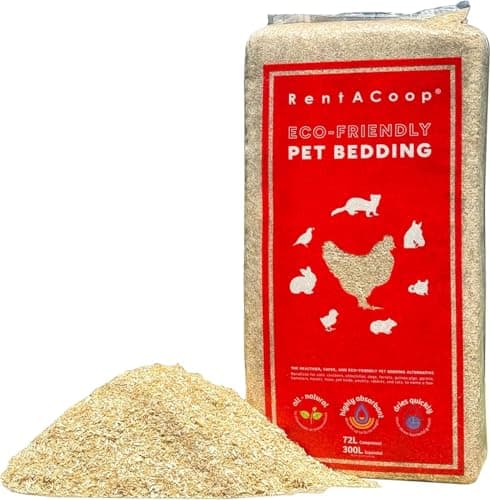
The best chicken coop bedding
Pine, hemp and the ammonia binder that makes either work. Ranked on absorbency and dust, not bag price.
Chicken Coops
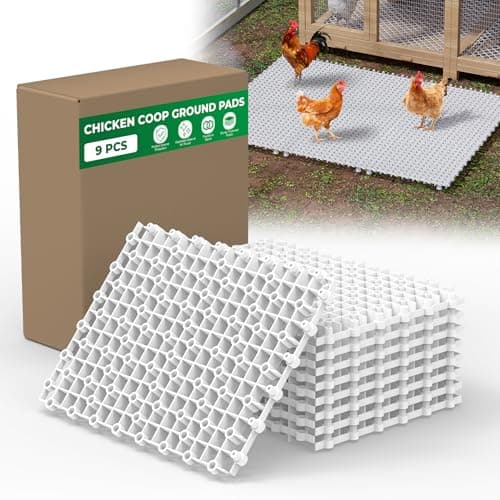
The best chicken coop flooring
Floor surfaces compared on cleaning, rot and foot health, with the interlocking pads and liners that protect bare timber.
Start Here
Backyard chickens and Salmonella
CDC's Salmonella guidance for backyard flocks, in plain language. No products, by policy.
Waterers
How to keep chicken water clean
The three causes of dirty chicken water and what actually fixes each — including the one you cannot buy your way out of.