Start Here
How often do chickens lay eggs?
Not daily, not evenly, and not at all for part of the year. Here is the pattern, and what moves it.
Chickens & Coops earns a commission when you buy through our links, at no extra cost to you. Prices come from Amazon and change; the date beside every price is when we last verified it. Full disclosure.
Quick picks
| # | Product | Type | Score | Price |
|---|---|---|---|---|
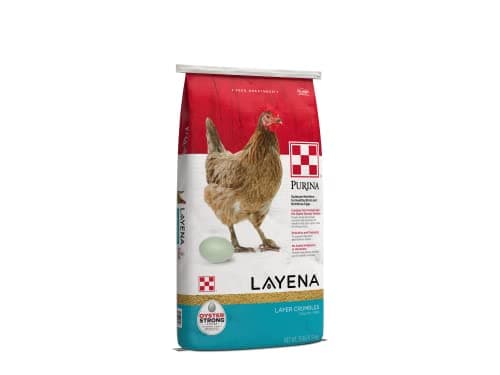
| Rank 1 | Purina Layena Layer Crumbles, 25 lb The standard bag for a six-hen flock | Layer crumbles, nutritionally complete | 8.3 | $35.98on Amazon |
| Rank 2 | 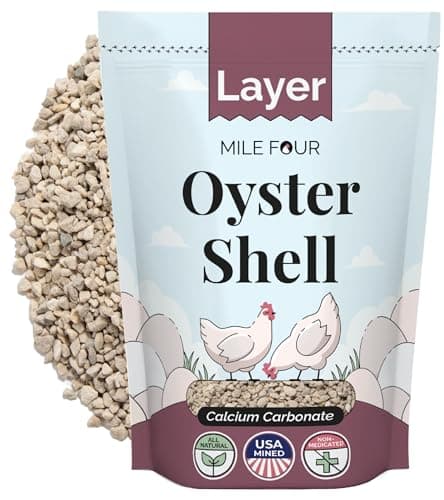 Mile Four Oyster Shell for Laying Hens, 4 lb Eggshell strength, offered free-choice | Crushed oyster shell | 8.8 | $19.99on Amazon |
| Rank 3 | 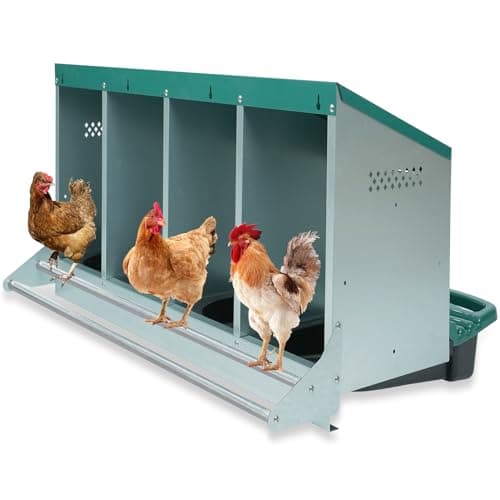 4-Hole Heavy Duty Metal Roll-Away Nesting Box Clean eggs from sixteen hens | Roll-away with egg collection | 8.2 | $119.99on Amazon |
#ad Prices come from Amazon and change. How this site is funded. Scores are our own published rubric, not a lab test — see how we pick.
We will not print an eggs-per-week figure, because the circulating numbers come from hatchery marketing and depend so heavily on breed, age, daylight, feed and management that quoting them would mislead you. What is reliable, and more useful, is the pattern — and the pattern is consistent across breeds.
Within a day
A hen lays in the morning, typically within a few hours of first light. Forming an egg takes roughly a day, and because each cycle starts a little later than the last, a productive hen laying on consecutive days lays progressively later in the morning until she reaches a point where she skips a day and resets.
Two practical consequences. First, collect in the late morning and you will get most of the day's eggs. Second, that natural skip day is why no hen lays truly every day over a long run — it is built into the cycle.
Through the week
Because of that skip, laying comes in runs: several consecutive days, then a day off, then another run. This is normal and it is why counting a single day's eggs tells you little about a flock's productivity.
Through the year
- Spring. Peak laying. Day length increasing, weather improving.
- Summer. Good, with a dip in severe heat — hens eat less and are stressed when it is very hot.
- Autumn. Falls, then usually stops entirely during the moult as feathers regrow. Several weeks.
- Winter. Low or zero without supplemental light, because laying is driven by day length.
- Late winter. Resumes as days lengthen, often before you expect it.
Through a hen's life
- Point of lay at roughly 18-22 weeks, varying by breed and season. The first eggs are small and sometimes odd — soft-shelled, double-yolked, tiny. This settles within a few weeks.
- First laying year. Peak production.
- Each year after. Fewer eggs, larger, with thinner shells. The decline is steady and nothing reverses it.
- Several years on. Occasional eggs, then none. Hens live considerably longer than they lay, which is a planning consideration if you are not going to cull.
The five things that change it
1. Daylight
The master control. Laying follows day length, which is why autumn and winter are low. Supplemental morning light maintains winter laying; many keepers choose to let hens rest instead.
2. The moult
Annual, usually autumn, and laying stops almost entirely. Feathers are protein-expensive. Keep the complete layer feed available and avoid filling them up with scratch grain exactly when protein matters most.
3. Water
An egg is about three-quarters water. Laying stops quickly if water runs short — faster than it responds to anything else. About 6.4 fl oz per hen per day, roughly doubling in heat, per University of Minnesota Extension. A frozen waterer in winter is the most common cause of a sudden stop.
4. Nutrition
A complete layer feed, forming most of total intake, with free-choice oyster shell for calcium and insoluble grit for digestion. A flock on mostly scratch and scraps is on a diluted ration.
5. Stress
A predator visit, new birds, a move, mites, extreme heat, or crowding. All reduce laying, sometimes for a week or two. Full diagnostic.
What supports steady laying
A complete layer feed, free-choice calcium, and a roll-away nest box so the eggs that are laid arrive intact.
#1 · The standard bag for a six-hen flock
#ad How we are funded · Price as of October 5, 2026
Purina Layena Layer Crumbles, 25 lb
Purina25 lb of complete layer crumble — roughly a month for six hens. Crumble suits mixed-age flocks and bantams that find full pellets awkward.
| Type | Layer crumbles, nutritionally complete |
|---|---|
| Weight | 25 lb |
| For | Laying hens |
| Protein | Not published by manufacturer |
Specifications per Manufacturer figures as published on the Amazon product listing, as published at the date above.
What it does well
- Complete layer ration from the most widely stocked brand in the US
- Crumble is easier for bantams and smaller breeds to eat than pellets
- 25 lb is about a month for six hens — fresh all the way down the bag
Where it falls short
- Crumble generates more dust and more billed-out waste than pellets
- Protein percentage is not stated on this listing
- Needs an airtight bin once opened or it absorbs moisture
Our rubric
- Fit for purpose
- 9.0
- Mess and waste
- 7.0
- Quality
- 9.0
- Value
- 8.0
#2 · Eggshell strength, offered free-choice
#ad How we are funded · Price as of October 5, 2026
Mile Four Oyster Shell for Laying Hens, 4 lb
Mile FourCrushed oyster shell as a free-choice calcium source. Layer feed already contains calcium; a separate dish of oyster shell lets the individual hens that need more take more.
| Type | Crushed oyster shell |
|---|---|
| Weight | 4 lb |
| Function | Calcium for egg-laying hens |
| Feeding | Free-choice |
Specifications per Manufacturer figures as published on the Amazon product listing, as published at the date above.
What it does well
- Free-choice calcium is self-regulating: hens laying hardest take the most
- Directly addresses thin and soft shells
- 4 lb lasts a small flock months
Where it falls short
- Not a substitute for grit — oyster shell dissolves, so it cannot grind
- Should never be fed to chicks or non-laying pullets
- Must go in its own dish, not mixed into the feed
Our rubric
- Fit for purpose
- 10.0
- Mess and waste
- 9.0
- Quality
- 9.0
- Value
- 7.0
#3 · Clean eggs from sixteen hens
#ad How we are funded · Price as of October 5, 2026
4-Hole Heavy Duty Metal Roll-Away Nesting Box
GenericFour roll-away holes in heavy-duty metal. Roll-away is the single best upgrade for egg cleanliness: the egg leaves the nest the moment it is laid, so it cannot be stood on, pecked or soiled.
| Holes | 4 |
|---|---|
| Covers | Up to 16 hens at 1 box per 4 |
| Material | Heavy duty metal |
| Type | Roll-away with egg collection |
Specifications per Manufacturer figures as published on the Amazon product listing, as published at the date above.
What it does well
- Eggs roll out of reach immediately — the end of dirty eggs and most egg-eating habits
- Metal construction leaves mites nowhere to hide and lasts far longer than ply
- Four holes covers a sixteen-hen flock
- Collecting from a tray rather than reaching under a hen is faster and calmer
Where it falls short
- Roll-away boxes are the most expensive nest option
- Needs the right slope: too flat and eggs stay, too steep and they crack
- Metal is cold in winter unless you line the pad area
Our rubric
- Egg cleanliness
- 10.0
- Mounting options
- 7.0
- Cleaning access
- 9.0
- Build
- 9.0
- Value
- 6.0
Odd eggs, and when to worry
| What you find | Usually means | Action |
|---|---|---|
| Tiny egg, no yolk | A new layer finding her rhythm | None — it settles |
| Double yolk | A new layer, or occasional in any hen | None |
| Soft or shell-less egg | New layer, or a calcium issue in an established one | Check free-choice oyster shell and the feed |
| Thin shells across the flock | Calcium, or older hens | Oyster shell free-choice; age is not fixable |
| Wrinkled or misshapen shell | Occasional, or stress | Watch; persistent cases are worth advice |
| Blood spot inside | Harmless, a minor vessel rupture | None |
| A sudden stop across the whole flock | Water, a predator visit, or season | Check water first |
Frequently asked questions
How often do chickens lay eggs?
What time of day do chickens lay?
At what age do chickens start laying?
Do chickens lay every day?
Why did my hen lay a soft-shelled egg?
Sources
Read next
Nesting Boxes
Why have my chickens stopped laying?
A diagnostic for a stopped flock: eight causes in order of likelihood, with what actually fixes each one.
Start Here
Choosing chickens for eggs
The five factors that actually drive laying, ranked, and the feed and nest gear that support them.
Feeders & Feed
Grit and oyster shell: what each one actually does
Grit versus oyster shell, properly explained: who needs which, when, and why they go in separate dishes.
Nesting Boxes
The best nesting boxes for chickens
Our main nest box ranking, from a single plastic box to an eight-hole roll-away bank, with the box-count rule.
Start Here
How many chickens should I get?
Flock sizing by household, yard and coop, with the space figures and the honest note about flocks growing.