Predator Protection
Bat houses for natural mosquito control around the coop
A bat house is a yard purchase, not chicken gear. Here is what it genuinely does for a homestead, and the placement rules that decide whether anything moves in.
Chickens & Coops earns a commission when you buy through our links, at no extra cost to you — from Amazon Associates and from brand partner programs. Prices come from the retailer and change; the date beside every price is when we last verified it. Full disclosure.
A bat house is the one piece of pest control you install once and never service. There is no bulb, no battery, no refill and no chemical — you mount a wooden box, and if bats find it they spend every summer night eating flying insects over your yard for free. The USGS puts the value of that service to US agriculture at over 3.7 billion dollars a year, which is a figure about farms rather than backyards, but it tells you the scale of what a colony of insectivorous bats removes from the air.
Two honest qualifications before anything else, because this category is sold on a claim that does not survive contact with the sources.
What a bat house is actually for, on a homestead
Three things, in order of how reliably they happen:
- Fewer night-flying insects over the yard. This is the one you will notice, and it arrives the summer after a colony settles in rather than the week you hang the box.
- Guano, which is a genuinely good fertilizer. A populated house drops it directly below, so site it where you do not mind that — over a bed rather than over a path or a seating area.
- Fewer insecticide decisions. BCI's own guidance notes that pesticides and herbicides near a bat house both reduce the insects bats feed on and end up in the bats themselves. If you put a house up, you are committing to spraying less around it, which is a trade worth making consciously.
What it is not is predator protection. Bats are no threat to poultry and no help against the animals that are — for those, the top chicken predators and predator deterrents are the relevant pages, and hardware cloth does more than any gadget.
Placement decides everything, and the figures are published
Bat houses fail for placement far more often than for build quality. Bat Conservation International publishes the criteria and they are specific:
| Criterion | Published figure | Why it matters |
|---|---|---|
| Height | At least 12 ft (3 m) of open space under the exits; higher is better | Bats drop out of the house to take flight and need clear air beneath |
| Sun | At least 7 hours of solar exposure, with early morning sun preferred | The house is a heat trap by design; a shaded one stays too cool to raise pups in |
| Facing | South, east or west for a warm microclimate; east-facing walls in hot southern climates | Morning sun warms it without cooking it through the afternoon |
| Clearance | Away from trees and hanging branches, with nothing overhanging the house | Branches both block the flight path and shade the box |
| Mounting | A pole beats a tree; the wall of a building beats a pole. Wood, stone or brick, not metal | Buildings give thermal mass; metal buildings are rarely used by bats |
| Chambers | Four chambers preferred over two | More chambers give more temperature choices inside one box |
| Roost surfaces | Rough-sawn wood, or scratched up to give footholds | Bats cannot grip a planed interior |
| Gaps | Roosting gaps no more than 1 inch | Wider gaps stop being a roost and start being a cavity |
| Pairs | Two houses nearby, 100 m apart or less | Gives the colony a choice of microclimates as the season changes |
Which Big Bat Box model fits a backyard
Big Bat Box is the brand partner for this category on this site. The ranking below is ours and it is built for a backyard flock keeper rather than a nature reserve, which changes the order: chamber count and a sensible price beat raw capacity, because a backyard colony is never going to be 200 bats. Specifications and certification are as the maker publishes them.
| Model | Chambers | Stated capacity | List price | Score | Check price |
|---|---|---|---|---|---|
| Big Bat Barn (brown or black) | 3 | 150 bats | $89.95 | 9.3 | Big Bat Barn at Big Bat Box |
| Three Chamber Bat House (black, brown or cedar) | 3 | 200 bats | $159.90 | 9.1 | Three Chamber Bat House at Big Bat Box |
| Two-Chamber Bat House (cedar, brown or black) | 2 | 75 bats | $42.99 | 8.8 | Two-Chamber Bat House at Big Bat Box |
| Bat Barn Junior (black or brown) | 2 | 50 bats | $39.95 | 8.6 | Bat Barn Junior at Big Bat Box |
| Single Chamber Bat House (cedar or black) | 1 | 50 bats | $29.99 | 8.4 | Single Chamber Bat House at Big Bat Box |
The picks, and why in that order
Best overall: the Big Bat Barn, three chambers
Three chambers at well under the flagship's price. BCI's guidance is explicit that more chambers beat fewer, because a multi-chamber box lets the colony move to the temperature it wants as the day and the season change — and that, far more than total capacity, is what decides whether a house gets used. Big Bat Box states 150 bats and a cedar build. See the Big Bat Barn.
Good to know: the barn styling is a look, not a function. If a rustic box is wrong for your yard, the plain three-chamber model below does the same job.
Most capacity: the Three Chamber Bat House
Big Bat Box's flagship: three chambers, a stated 200 bats, and the model the brand describes as certified by Merlin Tuttle's Bat Conservation. It is the right buy if you are mounting on a barn wall with a large open approach and you want the largest colony your site can support. See the Three Chamber Bat House.
Good to know: it is roughly double the Big Bat Barn, and a typical backyard colony will not fill either. You are paying for headroom you may never use.
The mid tier: the Two-Chamber Bat House
Two chambers, a stated 75 bats, and the point at which the price drops sharply. The compromise is real and BCI names it: four chambers are preferred over two, so a two-chamber box gives the colony fewer temperature options on a hot afternoon. See the Two-Chamber Bat House.
Good to know: at this tier, follow the BCI advice about mounting two houses rather than one. Two two-chamber boxes on the same wall give the colony more choice than one of them does, for not much more money.
Barn styling, smaller: the Bat Barn Junior
The barn look in a two-chamber box with a stated 50 bats. It sits close to the plain two-chamber model on price while holding fewer bats, so this one is bought for the way it looks. See the Bat Barn Junior.
Good to know: at nearly the same money the plain two-chamber box holds half again as many bats. Pick this one only if the styling matters to you.
Cheapest way in: the Single Chamber Bat House
One chamber, a stated capacity of up to 50 bats, and the lowest price in the range. It is a legitimate way to find out whether your site attracts bats at all before spending more. See the Single Chamber Bat House.
Good to know: a single chamber offers one temperature, which is the thing BCI's guidance is most concerned with. Treat it as a test of the location rather than the house you keep.
Mounting it, in the order the job actually goes
- Pick the wall before the box. A south, east or west-facing wall of a wooden, stone or brick building with seven hours of sun and a clear drop beneath it. The coop wall itself is rarely right — it is usually too low and too shaded.
- Get it up high. At least 12 feet of open air under the exit, and higher is better. This is the figure most backyard installs miss.
- Clear the approach. No branches overhanging or reaching the box.
- Mount two if you can. Different aspects, within 100 meters of each other, so the colony can move between them.
- Then wait. A season is normal. Five years happens. Do not take it down in September because nothing came.
Where this sits among the rest of the yard
A bat house is an adjacent homestead purchase, not flock equipment, and it earns its place by doing something nothing in the coop does. If what you actually want is to stop something getting IN, that is a different category entirely: hardware cloth rather than chicken wire is the single highest-value change, and the predator apron guide covers the dig-under problem that a fence alone does not solve.
Frequently asked questions
Do bat houses really control mosquitoes?
How high should a bat house be mounted?
How much sun does a bat house need?
Will a bat house attract bats to my coop or my house?
How long before bats move into a new bat house?
How many chambers should a bat house have?
Sources
Read next
Predator Protection
The main chicken predators, and what stops each one
An identification guide: what each predator does, how to tell which one visited, and the one measure that stops it.
Predator Protection
The best chicken predator deterrents
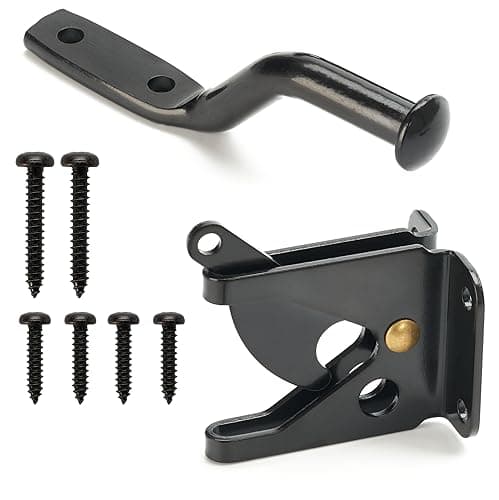
Deterrents and small hardware ranked with an honest line between what deters and what physically stops an animal.
Chicken Coops
Why your chicken coop smells, and how to fix it
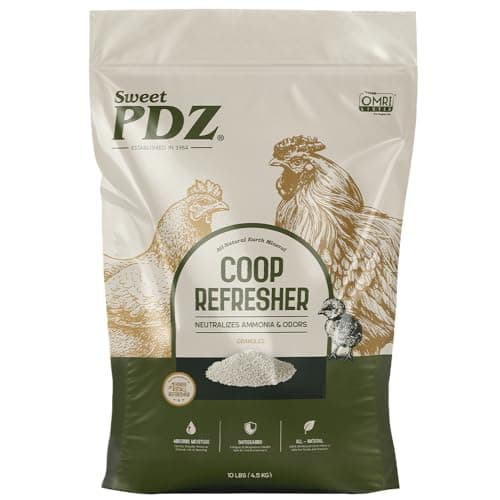
A diagnostic for coop smell: four causes in order of likelihood, and what fixes each one. Masking it is not on the list.
Predator Protection
Chicken wire vs hardware cloth
The single most useful distinction in predator protection, with the gauges, the openings and where each belongs.