Winter Heat
Coop heater vs better insulation
One costs electricity forever and introduces a fire risk. The other costs a weekend and keeps working.
Chickens & Coops earns a commission when you buy through our links, at no extra cost to you. Prices come from Amazon and change; the date beside every price is when we last verified it. Full disclosure.
Quick picks
| # | Product | Material | Score | Price |
|---|---|---|---|---|
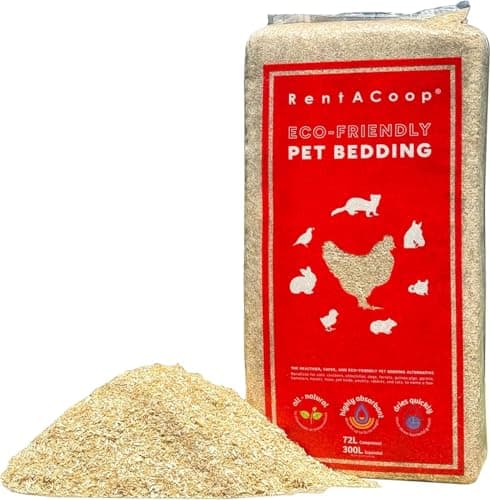
| Rank 1 | RentACoop Premium Hemp Bedding, 300L Low dust in a small or poorly ventilated coop | Hemp hurd | 8.0 | $74.95on Amazon |
| Rank 2 | 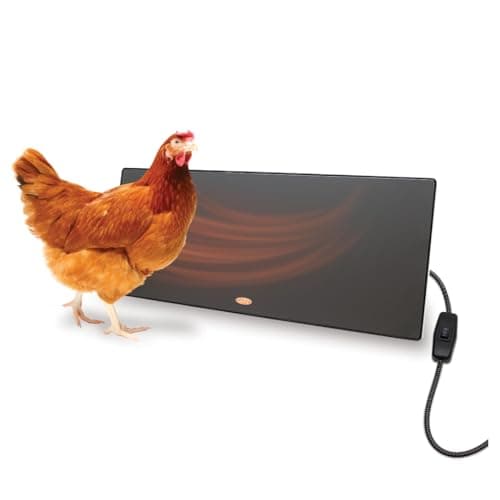 Cozy Products Cozy Coop Flat-Panel Heater, 150W The safest way to take the edge off a cold coop | Not published | 7.2 | $54.69on Amazon |
| Rank 3 | 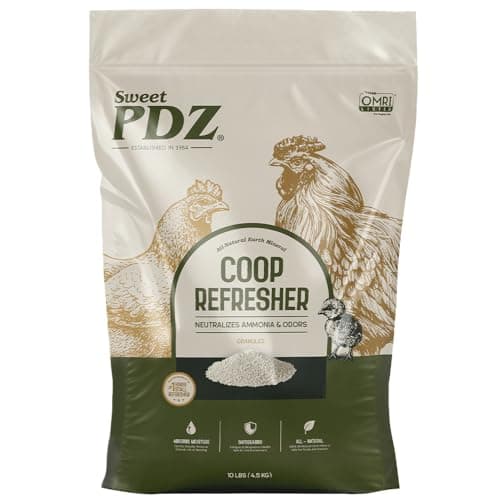 Sweet PDZ Coop Refresher, 10 lb Ammonia under the roosts | Not published | 8.8 | $24.95on Amazon |
| Rank 4 | 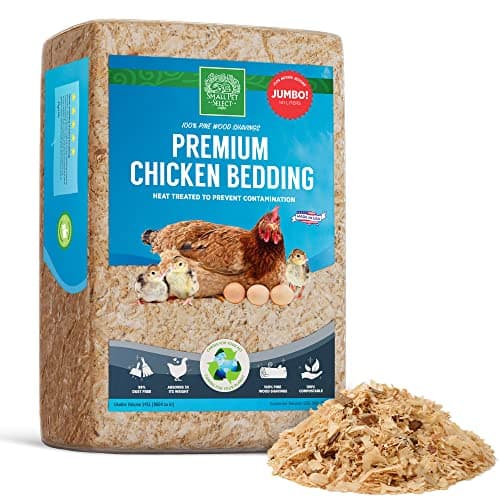 Small Pet Select Pine Shavings Chicken Bedding The default coop and nest-box bedding | Pine wood shavings | 7.8 | $35.99on Amazon |
#ad Prices come from Amazon and change. How this site is funded. Scores are our own published rubric, not a lab test — see how we pick.
Most people arrive at winter coop preparation looking for a heater. The better question is where the heat is going, because a coop that loses heat as fast as a heater adds it is a coop with an electricity bill and the same temperature.
Head to head
| A heater | Insulation and draft-proofing | |
|---|---|---|
| Up-front cost | Moderate | Low to moderate |
| Running cost | Every night, all winter | None, ever |
| Fire risk | Real, and needs managing | None |
| Works in a power cut | No | Yes |
| Helps in summer | No | Yes — insulation works both ways |
| Needs maintenance | Annual cord and dust check | Essentially none |
| Fixes damp | No — can make it worse | Partly, via draft control plus ventilation |
| Extension view | Generally advised against | Recommended |
What extension guidance actually says
MSU Extension advises against adding supplemental heat in most circumstances, because the fire risk from a heat source near combustible bedding is too high — and states that a properly constructed, mostly draft-free coop with adequate ventilation is enough to limit the danger from cold. Extension's insulation guidance covers the building side in detail.
Spend it in this order
- Seal drafts at bird level. Find and close holes and cracks that let air blow across the roost. MSU Extension specifically recommends inspecting for holes and cracks, which also keeps rodents out. Free to cheap.
- Deepen the bedding. University of Minnesota Extension recommends 6-12 inches of dry bedding in winter because it insulates the birds' feet. Cheap, and the single highest-value change.
- Keep the vents open above head height. Counter-intuitive and essential — trapped moisture is what causes frostbite. Free.
- Check the roost material. Wooden 2x4 or 2x2 boards; avoid metal and plastic, which hold cold against feet and risk frostbite.
- Insulate the walls and roof if the coop is thin-skinned. Moderate cost, works forever, helps in summer too.
- Only then consider a heater, and only if your climate is genuinely extreme or you have a specific bird that needs it.
Where insulation can go wrong
- Insulating without ventilating is the classic mistake. A tight, well-insulated, unventilated coop is a humidity trap and therefore a frostbite risk. Insulation and ventilation are not opposites — you need both.
- Exposed insulation gets eaten. Hens peck fiberglass and foam board. Cover it with ply or hardboard.
- Rodents nest in it. Seal the cavity edges properly.
- Metal-skinned structures sweat. If you are converting a metal shed, insulation is not optional.
What to spend on
The bedding that does most of the work, the ammonia binder that keeps litter usable, and one panel heater if your climate truly needs it.
#1 · Low dust in a small or poorly ventilated coop
#ad How we are funded · Price as of October 5, 2026
RentACoop Premium Hemp Bedding, 300L
RentACoop300 liters of hemp hurd per 30 lb bale. Hemp costs more than pine up front but absorbs more per liter and throws far less dust — which is the thing that actually damages chicken lungs.
| Material | Hemp hurd |
|---|---|
| Volume | 300 L |
| Weight | 30 lb |
| Intended use | Chickens, rabbits, horses |
Specifications per Manufacturer figures as published on the Amazon product listing, as published at the date above.
What it does well
- Volume and weight both published, so the real cost per liter is comparable
- Markedly less dust than pine — the single biggest respiratory factor in a closed coop
- Absorbs more liquid per liter than shavings, so the litter stays drier between changes
- Composts readily
Where it falls short
- Costs several times what an equivalent volume of pine does
- Finer particles can sift through widely-spaced slatted floors
- Not stocked in most feed stores, so you are ordering it
Our rubric
- Fit for purpose
- 9.0
- Mess and waste
- 8.0
- Quality
- 9.0
- Value
- 6.0
#2 · The safest way to take the edge off a cold coop
#ad How we are funded · Price as of October 5, 2026
Cozy Products Cozy Coop Flat-Panel Heater, 150W
Cozy ProductsA 150-watt flat radiant panel that mounts on a wall. There is no bulb to shatter and no element hot enough to ignite bedding, which is the whole argument against heat lamps.
| Power | 150 W |
|---|---|
| Type | Flat radiant panel |
| Mounting | Wall mount |
| Surface temperature | Not published by manufacturer |
Specifications per Manufacturer figures as published on the Amazon product listing, as published at the date above.
What it does well
- No bulb and no exposed element — it cannot shatter into dry bedding
- 150 W is a modest draw: cheap to run compared with a 250 W lamp
- Radiant warmth at bird level rather than heating the whole air volume
- Wall-mounted, so it cannot fall into the litter
Where it falls short
- Takes the chill off a small area; it will not warm a large coop
- No built-in thermostat — pair it with a thermostat outlet
- Surface temperature is not published
Our rubric
- Fire safety
- 9.0
- Temperature control
- 5.0
- Heat output
- 6.0
- Running cost
- 8.0
- Value
- 8.0
#3 · Ammonia under the roosts
#ad How we are funded · Price as of October 5, 2026
Sweet PDZ Coop Refresher, 10 lb
Sweet PDZGranular zeolite that binds ammonia rather than masking it. Dusted on the poop board under the roosts it is the most effective single thing you can do about coop smell.
| Active material | Zeolite |
|---|---|
| Weight | 10 lb |
| Function | Ammonia and odor absorption |
| Scent added | None |
Specifications per Manufacturer figures as published on the Amazon product listing, as published at the date above.
What it does well
- Chemically binds ammonia instead of covering it with fragrance
- No added scent, which matters because fragrance oils irritate bird airways
- A thin layer on the poop board is all it takes — a 10 lb bag lasts a small flock months
- Safe to compost with the litter
Where it falls short
- It is a granular mineral: it will not fix a coop that is genuinely under-ventilated
- Needs topping up as it saturates
- Dusty to apply — worth doing with the hens outside
Our rubric
- Fit for purpose
- 10.0
- Mess and waste
- 7.0
- Quality
- 9.0
- Value
- 9.0
#4 · The default coop and nest-box bedding
#ad How we are funded · Price as of October 5, 2026
Small Pet Select Pine Shavings Chicken Bedding
Small Pet SelectKiln-dried pine shavings in a bag sized for a coop rather than a hamster cage. Pine is the baseline bedding for a reason: absorbent, cheap, compostable, and it does not mat.
| Material | Pine wood shavings |
|---|---|
| Intended use | Coop floor and nest boxes |
| Volume | Not published by manufacturer |
| Dust level | Not published by manufacturer |
Specifications per Manufacturer figures as published on the Amazon product listing, as published at the date above.
What it does well
- Absorbent enough to run a deep-litter floor for weeks between full changes
- Composts down with the manure into usable garden material
- Shavings stay loose, so hens can scratch and dust-bathe in them
Where it falls short
- Dustier than hemp, which matters in a tight coop with poor ventilation
- Volume per bag is not published, so cost-per-liter is hard to compare
- Blows out of an open-sided run
Our rubric
- Fit for purpose
- 9.0
- Mess and waste
- 6.0
- Quality
- 8.0
- Value
- 8.0
The bird-level case for heat
There are real exceptions. A single very old or unwell bird, a breed with a large single comb in a severe climate, or a genuinely extreme cold snap can justify a radiant panel. The honest framing is that heat is a targeted intervention for a specific bird or a specific week, not a default winter setting — and if you do use one, here is how to do it safely.
Frequently asked questions
Is it better to insulate a coop or heat it?
Should I insulate my chicken coop?
How deep should winter bedding be?
What roost material is best in winter?
When is a coop heater actually justified?
Sources
Read next
Winter Heat
Do chickens need heat in winter?
The short answer is no, for healthy adult hens — and the reasons are about fire risk and moisture, not toughness.
Winter Heat
Winterizing a chicken coop
The full autumn checklist: coop, run, water, electrics and flock, in the order that makes the winter easy.
Chicken Coops
Chicken coop ventilation, done right
The single most misunderstood part of coop design: why you ventilate in winter, and where the vents actually go.
Chicken Coops
The best chicken coop bedding
Pine, hemp and the ammonia binder that makes either work. Ranked on absorbency and dust, not bag price.
Winter Heat
How to keep chickens warm in winter
Six changes that keep a flock comfortable through winter, in order of effect, with the gear that actually helps.