Waterers
The best chicken watering cups
A cup holds a small pool of water the valve keeps topped up. Cup size is the specification that decides whether that works for a thirsty hen.
Chickens & Coops earns a commission when you buy through our links, at no extra cost to you. Prices come from Amazon and change; the date beside every price is when we last verified it. Full disclosure.
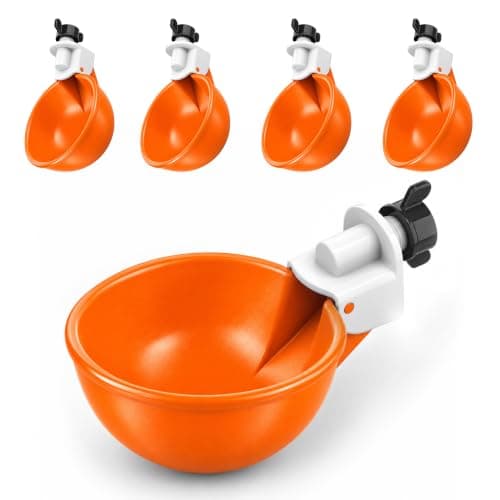
Best Watering Cups
Lil'Clucker Large Automatic Waterer Cups
Larger-than-usual auto-fill cups, stated as suitable for chicks through to turkeys.
#ad How we are funded · Price as of November 8, 2026
Quick picks
| # | Product | Type | Score | Price |
|---|---|---|---|---|
| Rank 1 | Lil'Clucker Large Automatic Waterer Cups Cups large enough for chicks and full-grown hens | Automatic water cups | 8.4 | $18.99Lil'Clucker Large |
| Rank 2 | 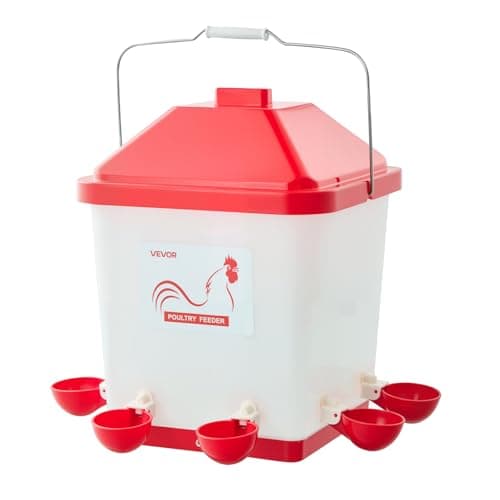 VEVOR 5 Gallon Automatic Waterer with 6 Cups Six automatic cups on one 5-gallon reservoir | Not published | 9.0 | $38.90VEVOR 5 Gallon |
| Rank 3 | 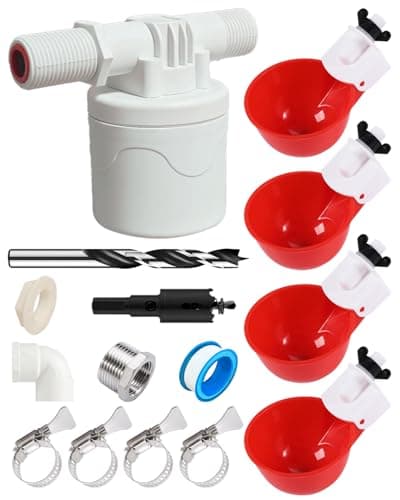 Psarnuk DIY Automatic Waterer Kit, 4 Cups with Float Valve Plumbing the waterer to a hose and forgetting it | DIY automatic waterer kit | 9.1 | $13.98Psarnuk DIY |
| Rank 4 | 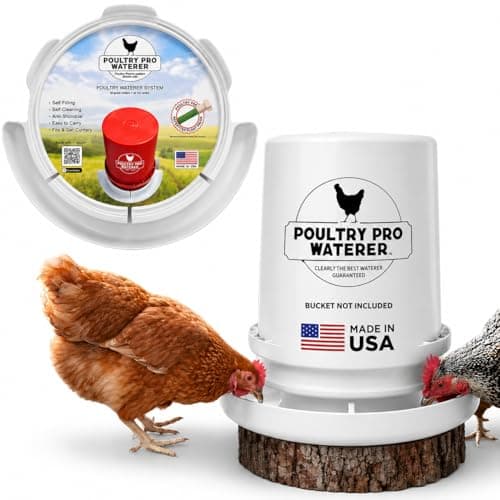 Poultry Pro Chicken Waterer for 5 Gallon Bucket Converting a bucket into a clean watering system | Bucket conversion waterer kit | 9.0 | $29.95Poultry Pro Chicken |
| Rank 5 | 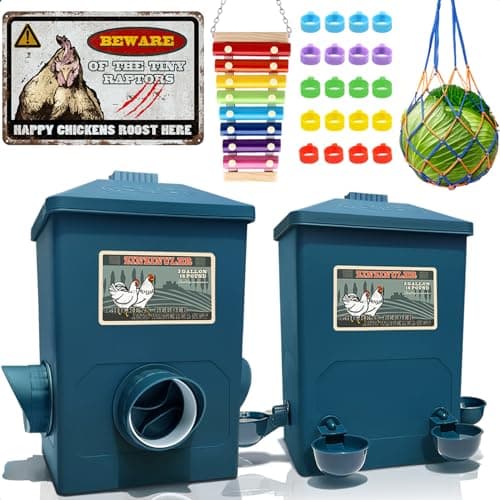 Automatic Port Feeder and Cup Waterer Set Feed and water in one matched purchase | Not published | 8.4 | $26.99Automatic Port |
#ad Prices come from Amazon and change. How this site is funded. Scores are our own published rubric, not a lab test — see how we pick.
For most backyard flocks the pick is a set of Lil'Clucker large automatic cups: they are stated as suitable for everything from chicks to turkeys, and cup size is the one thing that genuinely matters here — a small cup empties faster than its valve refills when a hen is drinking seriously in July. If you would rather buy the whole system than assemble one, the VEVOR 5 gallon waterer with six cups arrives as a finished reservoir, and the Psarnuk four-cup kit with a float valve is the only option here that plumbs onto a hose and never needs carrying water to at all.
Water cups sit between an open fount and a nipple system. A small reservoir of visible water stands in each cup, and a spring-loaded tongue or a float refills it as the birds drink. Hens understand them immediately, which nipples take a week to learn, and the water stays far cleaner than in an open fount because the bulk of it is sealed inside the container.
Why cups rather than a fount or nipples
Three honest trade-offs, and they decide the purchase:
| Open fount | Cups | Nipples | |
|---|---|---|---|
| Hens understand it | Immediately | Immediately | After several days of teaching |
| Water stays clean | No — bedding, droppings, algae | Mostly — only the cup is exposed | Completely sealed |
| Drips into bedding | Spills when knocked | Rarely, if mounted level | Horizontal nipples do not drip |
| Freezes | Slowly — large volume | Fast — tiny volume per cup | Fast — tiny volume per nipple |
| Needs scrubbing | Weekly, the whole thing | The cups, quickly | Rarely |
That last row is the one to take seriously. A cup holds a few tablespoons of water, and a few tablespoons freeze in an hour. Cups are a spring-to-autumn answer in a cold climate, and the winter plan is a separate purchase — heated waterers or a heated base under a metal fount.
How many cups, and how high
Hens drink in a group, and most heavily in the late afternoon. University of Minnesota Extension puts intake at about 6.4 fl oz per hen per day in mild weather, roughly doubling in heat — so size the number of drinking points for the hot-weather figure, not the mild one.
| Flock size | Cups | Reservoir that lasts about a week (mild weather) |
|---|---|---|
| 2-4 hens | 2 | 2-3 gallons |
| 6 hens | 3 | 3-5 gallons |
| 10 hens | 4-5 | 5 gallons, refilled more often in heat |
| 20 hens | 6-8 | Two reservoirs, or a float valve on a hose |
Mounting height is the detail that decides whether cups stay clean. Set the rim of the cup level with the top of a standing hen's back. At that height she dips her beak down into it and scratched bedding does not land in the cup. Mount it low and every cup is full of shavings within a day, which is the complaint behind most negative cup reviews.
What to look for
- A large cup. A small cup refills too slowly for a bird drinking hard in heat, and a hen that has to wait for the valve goes and does something else.
- Horizontal mounting into the side of a container. That is what keeps the cup level and the water in it.
- A valve you can see working. Spring-tongue cups refill as the bird drinks; float cups hold a set level. Both are fine; a valve that sticks is not.
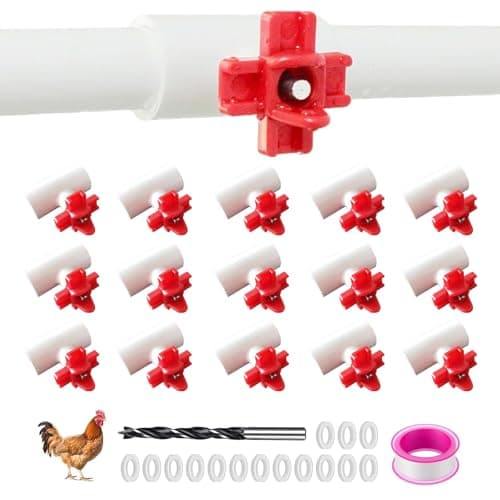
- Thread type and a drill bit, ideally included. Most cups are a threaded stem for a drilled hole. Check the stated thread before you drill anything.
- A float valve option if you have mains or a hose nearby. A float kit turns a container into a self-filling trough, and it is the only version of this that eliminates carrying water.
- A lid on the reservoir. Light drives algae. A sealed, opaque container stays clean for weeks; a translucent one in the sun goes green.
The picks
Five options, from a set of cups you fit yourself through to a finished reservoir and a hose-fed float kit.
#1 · Cups large enough for chicks and full-grown hens
#ad How we are funded · Price as of November 8, 2026
Lil'Clucker Large Automatic Waterer Cups
Lil'CluckerLarger-than-usual auto-fill cups, stated as suitable for chicks through to turkeys. Cup size matters: a tiny cup empties faster than the valve refills when a hen is really drinking.
| Type | Automatic water cups |
|---|---|
| Size | Large cup |
| Suitable for | Chicks, ducks, geese, turkeys |
| Pack size | Not published by manufacturer |
Specifications per Manufacturer figures as published on the Amazon product listing, as published at the date above.
Why we picked it
- Large cup holds enough that a thirsty hen is not waiting for the valve
- Shallow enough for chicks, which the deep nipple systems are not
- Works for mixed poultry, not just hens
Good to know — Pack size is not published on the listing
Our rubric
- Capacity
- 7.9
- Stays clean
- 8.9
- Freeze resistance
- 6.5
- Ease of refill
- 9.3
- Value
- 9.3
#2 · Six automatic cups on one 5-gallon reservoir
$45.99 15% off
#ad How we are funded · Price as of November 8, 2026
VEVOR 5 Gallon Automatic Waterer with 6 Cups
VEVORFive gallons feeding six auto-fill cups. Cups keep the bulk of the water sealed inside the drum, which is the main reason cup systems stay cleaner than open founts.
| Capacity | 5 gallon |
|---|---|
| Water ports | 6 automatic-fill cups |
| Operation | Automatic gravity, cup-fed |
| Handle | Carry handle fitted |
Specifications per Manufacturer figures as published on the Amazon product listing, as published at the date above.
Why we picked it
- Six cups means six hens drink at once without a queue
- The reservoir is sealed, so bedding and droppings cannot get into the bulk water
- 5 gallons on a carry handle is a sensible format for a shed-to-run trip
Good to know — Cups freeze solid before the reservoir does — this is a summer solution
Our rubric
- Capacity
- 9.3
- Stays clean
- 9.8
- Freeze resistance
- 6.5
- Ease of refill
- 9.3
- Value
- 9.8
#3 · Plumbing the waterer to a hose and forgetting it
$15.98 13% off
#ad How we are funded · Price as of November 8, 2026
Psarnuk DIY Automatic Waterer Kit, 4 Cups with Float Valve
PsarnukFour cups plus a float valve, which turns a container into a self-filling trough on a hose line. The only setup here that genuinely never needs carrying water to.
| Includes | 4 cups and a float valve |
|---|---|
| Type | DIY automatic waterer kit |
| Supply | Mains or gravity hose feed |
| Container | Not included |
Specifications per Manufacturer figures as published on the Amazon product listing, as published at the date above.
Why we picked it
- A float valve on a hose means the water level maintains itself indefinitely
- No carrying buckets, which is the single biggest daily chore in a flock
- Four cups for a small to mid-size flock
Good to know — A hose line must be drained before the first freeze or it splits
Our rubric
- Capacity
- 9.3
- Stays clean
- 9.3
- Freeze resistance
- 6.5
- Ease of refill
- 10.0
- Value
- 9.8
#4 · Converting a bucket into a clean watering system
#ad How we are funded · Price as of November 8, 2026
Poultry Pro Chicken Waterer for 5 Gallon Bucket
Poultry ProA cup-and-fitting kit for a bucket you supply. Cheapest route to a sealed water system, and because you choose the bucket you can pick one with a lid that actually seals.
| Fits | 5 gallon bucket (not included) |
|---|---|
| Type | Bucket conversion waterer kit |
| Capacity | Depends on the bucket used |
| Ports | Not published by manufacturer |
Specifications per Manufacturer figures as published on the Amazon product listing, as published at the date above.
Why we picked it
- Lowest-cost sealed water system there is
- A lidded bucket keeps light out, which slows algae more than any additive
- Individual cups are replaceable for pennies
Good to know — Port count is not published on the listing
Our rubric
- Capacity
- 8.9
- Stays clean
- 9.8
- Freeze resistance
- 6.5
- Ease of refill
- 9.3
- Value
- 10.0
#5 · Feed and water in one matched purchase
$42.68 37% off
#ad How we are funded · Price as of November 8, 2026
Automatic Port Feeder and Cup Waterer Set
GenericA port feeder and a cup waterer sold together. The appeal is a matched pair for a new coop; the catch is that the best feeder and the best waterer are rarely made by the same company.
| Includes | Port feeder and cup waterer |
|---|---|
| Feeder type | No-waste ports |
| Waterer type | Automatic cups |
| Capacity | Not published by manufacturer |
Specifications per Manufacturer figures as published on the Amazon product listing, as published at the date above.
Why we picked it
- One purchase covers both daily jobs in a new coop
- Port feeder and cup waterer are both the right basic designs
- Cheaper than buying a good feeder and a good waterer separately
Good to know — Neither capacity is published, so you cannot plan refill intervals
Our rubric
- Waste control
- 8.9
- Capacity
- 7.9
- Rodent resistance
- 7.5
- Weather resistance
- 8.4
- Value
- 9.3
Fitting cups to a bucket
- Choose the container. A food-grade 5-gallon bucket with a sealing lid is the standard, and an opaque one beats a translucent one for algae.
- Mark the holes at the right height — remembering the bucket will stand on blocks or hang, so measure from where the base will actually sit.
- Drill with the bit the kit specifies, slowly, and clean the swarf off the thread before fitting.
- Fit the cup with its washer on the inside and tighten by hand plus a quarter turn. Overtightening cracks the bucket wall around the thread.
- Fill and watch for ten minutes. A weep around the thread now is a puddle in the bedding next week.
- Show the birds once. Tap the cup with a finger so they see the water move. That is the whole training.
Keeping them clean
Cups need a quick wipe far more often than a fount needs a scrub, and that is the honest cost of the design. A bottle brush and ten seconds per cup, weekly, is enough. The reservoir itself needs doing far less often because it is sealed and dark. Standing water grows biofilm whatever the container, which is covered in how to keep chicken water clean.
What we would buy
A sealed opaque bucket, large cups fitted at back height, standing on a block clear of the bedding. For a bigger flock, or anywhere a hose already reaches, the float-valve kit instead: a trough that fills itself is the only watering system that stops being a daily job. For hot weather add capacity rather than cups — the hot-weather picks cover that, and in winter plan to swap the whole thing out.
Frequently asked questions
How many water cups do chickens need?
How high should chicken water cups be?
Are water cups better than nipples for chickens?
Do chicken water cups leak?
Will water cups freeze in winter?
What size bucket should I use for water cups?
Our recommendation
If you buy one thing from this page, buy the first one. The second is here because it is the alternative worth weighing against it, not because a list needs two entries.
Best Watering Cups
Lil'Clucker Large Automatic Waterer Cups
Cups large enough for chicks and full-grown hens
#ad How we are funded · Price as of November 8, 2026
Runner-up
VEVOR 5 Gallon Automatic Waterer with 6 Cups
Six automatic cups on one 5-gallon reservoir
#ad How we are funded · Price as of November 8, 2026
Sources
Read next
Waterers
Nipple vs cup chicken waterers
The sealed-versus-open watering decision, with the cases where each one is clearly right.
Waterers
The best automatic chicken waterers
Self-filling and self-dispensing waterers, with the float-valve caution that nobody mentions until it floods.
Waterers
The best chicken waterers
Our main waterer ranking: open founts, cup systems and nipple kits, judged on cleanliness as much as capacity.
Waterers
How to keep chicken water clean
The three causes of dirty chicken water and what actually fixes each — including the one you cannot buy your way out of.
Waterers
How much water do chickens drink?
The published water-intake figures, a table by flock size, and why hot weather is the number that matters.